2026 Best Freezer Room Buying Guide for Global Suppliers?
In the world of logistics and food preservation, the importance of a reliable Freezer Room cannot be overstated. As noted by industry expert John Smith, "A well-designed freezer room is essential for maintaining product quality." With the growing demand for frozen goods globally, understanding how to select the right freezer room is crucial for suppliers.
Freezer rooms serve various functions, from storing food products to pharmaceuticals. Organizations must prioritize factors like insulation, size, and energy efficiency when purchasing. Research shows that a properly insulated freezer room can reduce energy costs significantly. Making informed decisions on these aspects can save money while ensuring product integrity.
However, choosing the best freezer room is often not straightforward. Many suppliers overlook the importance of customization. Freezer room requirements fluctuate based on inventory types and volume. Thus, investing time exploring options is essential. Suppliers must learn to assess their unique needs before committing to a purchase. This careful approach can lead to better long-term results in efficiency and sustainability.
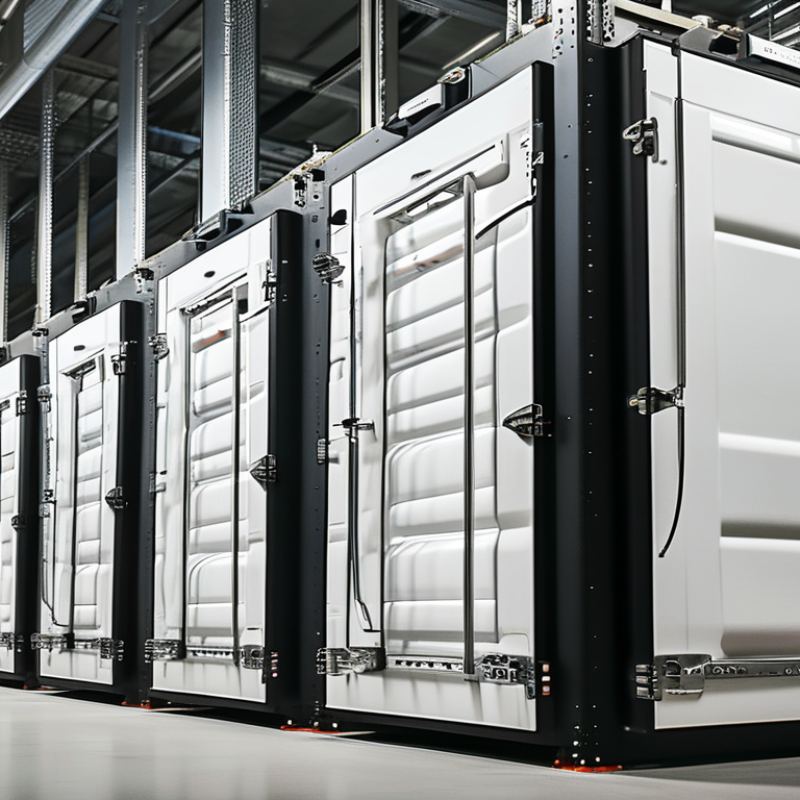
Understanding Freezer Room Needs for Global Suppliers
Freezer rooms play a crucial role in the supply chain for global suppliers. Understanding the specific needs for temperature control, insulation, and space is essential. According to recent industry reports, the demand for cold storage is expected to grow by 20% each year. This is driven by the increasing need to preserve perishable goods, from pharmaceuticals to food products.
When purchasing a freezer room, suppliers must consider various factors. The ideal temperature range is typically -18°C to -25°C. Good insulation can reduce energy consumption significantly. Research indicates that proper insulation can save up to 30% in energy costs. Space optimization is also key. Suppliers should evaluate their inventory turnover rates and forecasted growth. This ensures that they invest in a freezer room that meets both current and future needs.
Despite advancements, challenges exist. Many suppliers struggle with maintaining consistent temperatures. Additionally, the initial investment can be daunting. It is essential to conduct thorough research and reflect on how these decisions impact long-term operational efficiency. While the initial setup may be costly, the benefits of reduced spoilage and increased product longevity often outweigh the drawbacks.
Key Features to Consider When Buying Freezer Rooms
When purchasing a freezer room, essential features demand careful consideration. Size and capacity play critical roles. Customers need a room that fits their available space while meeting storage needs. A small room can limit operations. On the other hand, an oversized unit can waste energy and resources.
Temperature range is another vital aspect. Freezer rooms come with varying temperature controls. It's essential to select one that maintains the required conditions for stored items. Different products need different temperatures. In particular, perishable foods require consistent cooling to avoid spoilage.
Insulation quality significantly impacts efficiency. Superior insulation reduces energy consumption. High-quality insulation materials maintain low temperatures effectively. However, cheaper options might save money upfront but could lead to greater long-term costs. Users might find that low initial prices aren't worth the rising energy bills. Air circulation and humidity control also factor into successful freezer room operation. Proper airflow prevents frost buildup. Humidity control adds another layer to preserve the integrity of stored goods. Buying a freezer room involves thoughtful evaluation of these key features.
2026 Best Freezer Room Features Comparison
Comparing Different Types of Freezer Rooms for Various Uses
When selecting a freezer room, it's essential to understand different types available on the market. Walk-in freezers offer ample space for bulk storage. They are ideal for restaurants and supermarkets. These units maintain low temperatures effectively and provide easy access to stored items.
In contrast, reach-in freezers are space-efficient. They work well in smaller commercial kitchens. With well-organized shelving, they allow quick retrieval of ingredients. However, they may limit storage capacity for larger suppliers. Each type has its pros and cons. Choosing the right one can be tricky.
Cold storage containers are another option. They are transportable and suitable for temporary needs. However, they might not maintain temperatures as consistently as built-in units. This inconsistency can affect the quality of products stored. Reflecting on your specific needs is crucial. Understanding your storage requirements will lead to a more informed decision.
Budgeting and Cost Considerations in Freezer Room Purchases
When investing in a freezer room, budgeting plays a vital role. The initial costs can vary significantly based on capacity and features. It’s crucial to assess your specific needs. Consider the size, insulation type, and cooling technology. Each choice affects your overall budget. Often, additional costs arise during installation, such as site preparation and utility connections.
Monthly operating expenses also require attention. Power consumption will fluctuate depending on the room's design and usage. Selecting energy-efficient equipment can save money over time. These savings often offset higher upfront costs. Maintenance is another factor that must not be overlooked. Regular upkeep ensures durability but can lead to unexpected expenses. Planning for these outcomes will lead to better decision-making.
It's easy to overlook the importance of thorough research. Buyer’s remorse is common when suppliers do not align with specific needs. Seek expert advice when necessary. Reliable suppliers provide valuable insights. However, not every recommendation will fit your scenario. Evaluate and reflect on the information gathered. Making informed decisions will be beneficial in the long run.
2026 Best Freezer Room Buying Guide for Global Suppliers - Budgeting and Cost Considerations in Freezer Room Purchases
| Dimension | Description | Estimated Cost (USD) |
| Size | Small (50-200 sq. ft.) | $5,000 - $15,000 |
| Size | Medium (201-500 sq. ft.) | $15,000 - $30,000 |
| Size | Large (501-1,000 sq. ft.) | $30,000 - $60,000 |
| Insulation Type | Foam Insulation | $1.00 - $3.00 per sq. ft. |
| Temperature Range | -10°F to 0°F | $1,500 - $3,500 |
| Refrigeration Unit | Self-Contained | $2,000 - $5,000 |
| Installation Cost | Includes electrical and plumbing | $3,000 - $10,000 |
| Maintenance Cost | Annual upkeep | $500 - $1,500 |
Maintenance and Safety Tips for Freezer Room Operation
Maintaining a freezer room requires attention to detail. Regular inspections can help identify issues before they escalate. Data shows that 70% of refrigeration systems fail due to improper maintenance. This highlights the importance of a consistent check-up routine.
Proper safety protocols are essential. Freezer rooms can pose risks, including frostbite and slips. Workers should wear insulated gloves and non-slip footwear. According to the U.S. Occupational Safety and Health Administration (OSHA), these simple measures can reduce accidents by 40%. Training employees on emergency procedures is crucial for ensuring safety.
Temperature monitoring is a key part of operation. Keeping the temperature stable is vital for food safety. Fluctuations can lead to spoilage, which affects profitability. Utilize temperature logs to track daily readings. Reports indicate that facilities with systematic logging experience 50% fewer compliance issues. This practice demonstrates a commitment to reliability and thoroughness in managing operations.