(770) 529-4731
esen

2026 Top Embedded Industrial Computer Suppliers

Industrial automation depends on computers that can keep running when dust, vibration, heat, and electrical noise challenge ordinary hardware. An Embedded Industrial Computer brings processing closer to machines, sensors, and control systems. That can reduce latency and simplify deployment. But rugged appearance alone proves little.

This guide to 2026 Top Embedded Industrial Computer Suppliers examines the capabilities buyers should verify before choosing a vendor. Key considerations include processor options, fanless cooling, operating temperature, mounting methods, and support for industrial interfaces such as serial ports and Ethernet. A compact unit beside a production line may need different features from a system installed in a vehicle or remote cabinet. Details matter.

Supplier evaluation should go beyond product pages. Look for clear technical documentation, lifecycle information, warranty terms, and responsive engineering support. Ask how the computer handles power fluctuations, sustained workloads, and component replacement. Request evidence that matches the intended environment, rather than relying on broad claims. A specification sheet is a starting point, not a field test.

There is no universal winner. A supplier with a wide catalog may not offer the best fit for a specialized installation, while a smaller vendor may need closer scrutiny on long-term availability. That uncertainty deserves attention. The comparisons ahead focus on practical selection criteria and supplier strengths, helping readers build a shortlist based on their application, budget, and support needs. A careful choice can protect uptime; an unchecked assumption can become an expensive lesson.
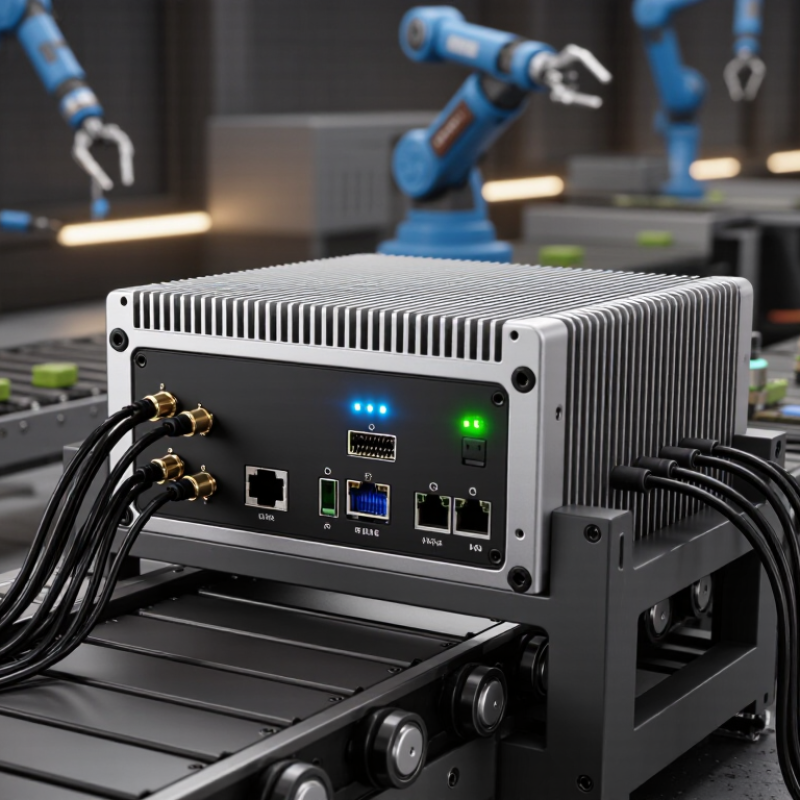
2026 Top Embedded Industrial Computer Suppliers

What Embedded Industrial Computers Are and Where They Are Used

An embedded industrial computer is a compact computing system built into equipment or machinery. It typically combines a processor, memory, storage, and selected input and output connections in one rugged unit. Unlike a standard office computer, it may run continuously in a dusty cabinet, beside vibrating machinery, or across a wide temperature range.

Small box. Big job.

These computers help machines collect sensor readings, control processes, and communicate with other equipment. In a factory, one might track motor temperature and flag unusual changes on a production line. At a transport site, an embedded system can process camera feeds or manage passenger information displays. Utility facilities also use them to monitor pumps and record operating data. Details matter: fanless designs reduce moving parts, while sealed cases can help limit dust entry. Still, a sealed case can trap heat if the system is poorly matched to its workload. Choosing a suitable computer means checking its operating temperature, mounting space, connection types, and expected service life. Specifications are useful, but real installation conditions deserve equal attention.


Key Features That Define Industrial-Grade Embedded Computers

Industrial-grade embedded computers are built for heat, vibration, dust, and long operating hours—not just compact dimensions. A sealed chassis helps keep airborne particles away from circuitry, while a wide operating-temperature range supports equipment installed near motors or inside hot control cabinets. Heat is relentless. Reliable thermal design matters as much as processor speed.

Gartner forecast that 75% of enterprise-generated data would be created and processed outside traditional centralized data centers by 2025. That shift makes local computing capacity, stable networking, and dependable storage increasingly important on factory floors. Look for interfaces suited to the installation, such as serial ports, Ethernet, and isolated I/O, plus support for remote monitoring and recovery. IEC 60068 test methods provide ways to assess resistance to environmental stresses, including shock and vibration; a claimed test result should still match the machine’s real conditions. No rating covers every installation. A fanless design can reduce moving parts, but may limit peak performance under sustained loads. That trade-off deserves a closer look.

2026 Top Embedded Industrial Computer Suppliers: Industrial-Grade Temperature Ranges

Representative operating-temperature ranges commonly found in embedded computer specifications. Actual limits vary by model and configuration.

A wider operating-temperature range can help a system handle demanding environments. Check each product’s datasheet for validated limits, required cooling, and performance conditions.

How to Evaluate Embedded Industrial Computer Suppliers in 2026

Choosing an embedded industrial computer supplier in 2026 means checking more than processor speed and quoted price. Start with the operating conditions: cabinet temperature, vibration, dust exposure, available power, and required I/O. Ask for the exact operating-temperature range and test conditions, not a vague “industrial-grade” claim. Small details matter. A fanless unit may reduce maintenance, yet its enclosure can trap heat under continuous load.

Review lifecycle evidence: planned product availability, revision control, firmware update policy, and notice periods for component changes. Request a sample unit and run your workload for several days. Record boot times, temperatures, and recovery behavior after power interruptions. Ask how technical support handles faults, including response targets and access to diagnostic logs. Ask for evidence. Datasheets help, but they do not prove the supplier can reproduce performance across production batches.

Compare suppliers using a written scorecard covering compatibility, documentation quality, environmental testing, customization limits, and support. Check whether test reports identify the tested configuration; a report for a similar model may not match your build. Speak with the engineers who will support deployment, not only sales staff. I would leave room for doubt: no supplier can predict every field condition, and a short trial may miss slow failures. Pilot units and clear acceptance criteria can help expose gaps before deployment.

Leading Suppliers and Their Product Strengths

Leading embedded industrial computer suppliers differ less by processor speed than by how well they solve installation constraints. Some design compact, fanless units for dusty control cabinets, where fewer moving parts can reduce maintenance exposure. Others offer configurable I/O, including serial ports, isolated Ethernet, or fieldbus options for connecting older equipment. Details matter.

A supplier’s product strength also shows in thermal testing, vibration resistance, and clear documentation. Ask for operating-temperature limits and test conditions, not just a headline range. Check whether BIOS updates, replacement parts, and technical support remain available across the expected service life. During evaluation, compare the actual connector layout with the cabinet drawing; a small clearance issue can complicate wiring. Fit is everything.

No single supplier leads in every setting. A highly rugged model may cost more or offer fewer expansion options, while a flexible unit may need extra validation in a hot enclosure. Datasheets help, but they do not always reveal installation effort. Request sample configurations and confirm performance under your workload before committing. That extra check can feel slow, and it may still miss a detail.

How to Match a Supplier to Your Application and Support Needs

Choosing an embedded industrial computer supplier starts with the machine, not the catalogue. List operating temperature, vibration, dust exposure, available power, I/O, and required service life. Ask for evidence: thermal test conditions, shock and vibration methods, lifecycle notices, and verified temperature limits. A datasheet number without its test setup is only half an answer. Small detail.

IDC’s Worldwide Edge Spending Guide projected global edge-computing spending at $232 billion in 2024, up 15.4% from 2023. That growth makes local processing more common in factories, but it does not make every computer suitable. Match processing power and memory to real workloads, such as multiple camera streams or protocol conversion, then allow headroom for updates. Confirm interfaces directly: extra Ethernet ports, isolated serial channels, or a fieldbus card can affect installation time. Not enough.

Support fit matters as much as hardware. Compare response hours, escalation routes, spare-part locations, repair times, and remote troubleshooting options. Request a sample configuration and test it beside the intended PLC, enclosure, and network. Ask for documented BIOS settings and recovery steps, not just a promise of help. A pilot rarely reproduces every factory fault. Choose a supplier that states its limits plainly and supports a practical validation plan.

2026 Top Embedded Industrial Computer Suppliers - How to Match a Supplier to Your Application and Support Needs

Use this application-led comparison to shortlist supplier types. The specifications below are selection considerations, not claims about any particular supplier; confirm the exact configuration, certifications, lifecycle terms, and service coverage for each proposed system.

Application Typical project conditions Supplier profile to prioritize Key requirements to verify Support and lifecycle questions
Factory automation and machine control Continuous operation near motors, drives, and other electrical equipment; Ethernet and serial connectivity may be required. Industrial-computing supplier with configurable I/O, DIN-rail or panel-mount options, and documented environmental and EMC testing. Confirm operating temperature at the intended mounting location, power-input range, shock/vibration limits, port isolation where needed, and applicable EMC evidence. IEC 61000-6-2 and IEC 61000-6-4 are commonly used industrial EMC standards; check the product’s actual declarations and test scope. Ask about configuration control, BIOS and driver updates, repair turnaround, spare-unit availability, and the supported operating-system image.
Machine vision and edge inspection High data throughput, multiple cameras, accelerator or GPU demand, and sustained processing loads. Supplier able to validate the complete compute, cooling, storage, and camera-I/O configuration rather than offering only a base system. Check camera interface and bandwidth, PCIe lane and slot availability, memory capacity, storage endurance, thermal performance under sustained load, and performance with the intended software workload. Request a tested bill of materials, workload-specific thermal or performance results, replacement-part compatibility, and notice periods for component changes.
Remote monitoring and unattended edge gateways Sites may have limited physical access, intermittent network connectivity, and wide ambient-temperature variation. Supplier with low-power, fanless options, remote-management features, and practical provisioning and recovery documentation. Validate temperature limits for the complete configuration, watchdog or recovery behavior, storage type, secure boot options, network interfaces, and cellular or wireless approvals for the destination market. Confirm remote diagnostics, firmware security-update policy, advance replacement options, and procedures for recovering a device after a failed update or loss of connectivity.
Railway applications Equipment may face railway-specific vibration, shock, power, and environmental requirements; installation location affects the applicable specification. Supplier experienced in railway projects and able to provide configuration-specific compliance evidence and documentation. Determine whether EN 50155 applies to the equipment and installation. Verify the exact edition, clauses, test reports, power-input behavior, temperature class, and any system-level requirements with the project authority. Ask about long-term product availability, formal change notification, traceability, failure analysis, and support over the project’s expected service life.
Electric-power substations and grid infrastructure Potential exposure to electrical disturbances and demanding availability, cybersecurity, and service requirements. Supplier familiar with utility projects, industrial communications, and evidence-based qualification for the installation environment. Assess whether IEC 61850-3 is required for the intended substation equipment and verify relevant test evidence. Also check power protection, grounding, communications, temperature, and cybersecurity requirements in the project specification. Confirm service escalation routes, security-update commitments, configuration backups, component-change controls, and availability of technical support in the operating region.
Hazardous-area installations Use may be restricted to a defined gas or dust zone, equipment group, temperature class, and ambient range. Supplier able to provide equipment specifically certified for the required hazardous-area classification, or to document an approved protective system design. Do not infer suitability from an industrial or fanless design. Verify the exact ATEX or IECEx certificate, marking, zone, gas/dust group, temperature class, ambient range, and installation conditions with the responsible safety authority. Request certificate traceability, approved accessories and enclosure details, installation instructions, and a clear process for maintaining the certified configuration.
Medical-device or laboratory equipment integration The computer may be a component of a larger regulated product; electrical safety, EMC, materials, and change control depend on the final system. Supplier willing to provide component documentation and cooperate with the system manufacturer’s risk-management and compliance process. Define whether the computer is a component or finished medical electrical equipment. Validate applicable requirements, including IEC 60601-1 and IEC 60601-1-2 when relevant, at the system level with the compliance team. Check revision control, manufacturing-change notice, documentation availability, product traceability, and support during verification and regulatory review.

Supplier Shortlisting Checklist

Evaluation dimension Evidence to request Good-fit indicator
Application fit A configuration proposal that maps the required workload, interfaces, environment, and certifications to exact model options. The supplier identifies constraints and exceptions instead of treating a general-purpose system as automatically suitable.
Quality and compliance Applicable declarations, certificates, test reports, environmental limits, and their scope for the quoted configuration. Claims are traceable to the specific model and configuration, with clear documentation of limitations.
Product lifecycle Written availability expectations, component-change process, product-change notices, and replacement strategy. Lifecycle commitments align with the deployment period and allow time to qualify changes.
Technical and regional support Support hours, response targets, escalation contacts, repair process, warranty terms, and regional service coverage. Support arrangements match the site location, operational criticality, and required recovery time.
Total cost of ownership Quote details covering required options, software or licensing, accessories, spares, warranty, and expected maintenance. The comparison uses equivalent configurations and includes costs beyond the initial unit price.

Note: Standards and certifications are application- and jurisdiction-dependent. Confirm the current project specification and obtain qualified compliance advice before purchase or deployment.