2026 Top Mesh Conveyor Chain Solutions for Global Buyers?
As the world increasingly relies on advanced machinery, the demand for efficient solutions rises. The "Mesh Conveyor Chain" has emerged as a pivotal component in various industries. Experts emphasize its significance for operational efficiency and reliability. John Marshall, a leading figure in conveyor technology, stated, "The right mesh conveyor chain can drastically enhance productivity."
In 2026, global buyers are on the lookout for the best mesh conveyor chain solutions. These chains are crucial in sectors like food processing, manufacturing, and logistics. However, not all mesh conveyor chains are created equal. Buyers need to navigate through numerous options to find the most suitable and efficient solutions.
While many companies offer mesh conveyor chains, selecting the right one can be challenging. Consideration of material quality, design features, and industry-specific needs is essential. Experts encourage buyers to research carefully. Addressing common pitfalls will ensure a more informed choice, ultimately leading to better performance and cost-effectiveness.
Overview of Mesh Conveyor Chains and Their Applications
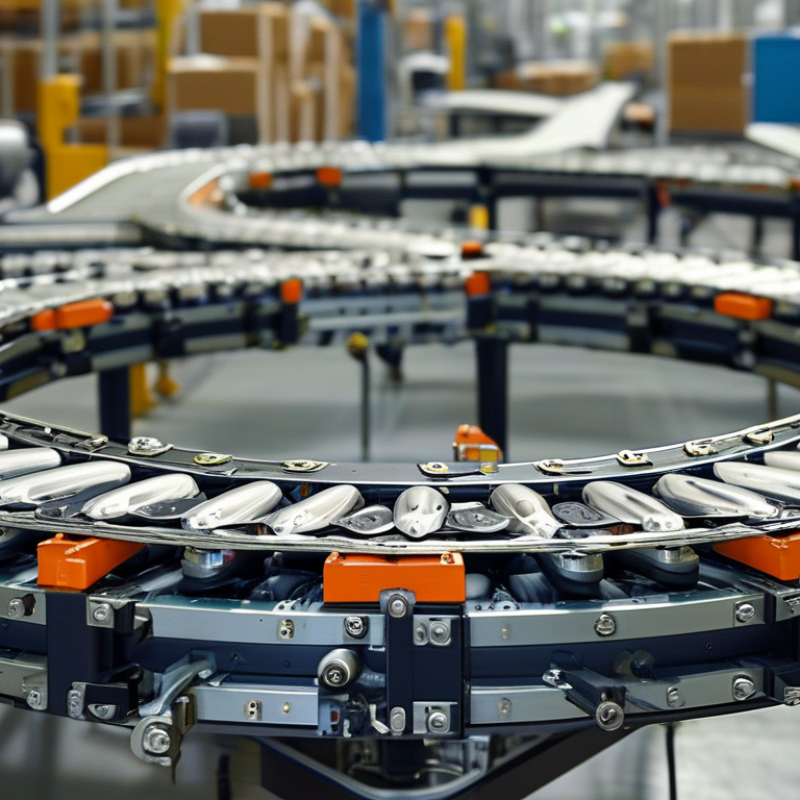
Mesh conveyor chains are vital in various industries, providing efficient material handling solutions. These chains consist of interlinked metal plates, allowing for the seamless movement of products. They are commonly used in applications such as food processing, packaging, and automotive assembly. The open design of mesh conveyors promotes airflow and cooling, making them ideal for temperature-sensitive products.
In the food industry, mesh conveyors transport items like baked goods and frozen foods. The ease of cleaning and maintenance is crucial here. However, some industries may face challenges with wear and tear of the chains over time. Regular inspections and proper lubrication are essential to avoid unexpected breakdowns. Mesh conveyor chains are also used in pharmaceutical manufacturing. They ensure a hygienic environment while moving equipment and materials through various processes.
Choosing the right mesh conveyor chain can require careful consideration. Factors such as weight capacity, speed, and environmental conditions play a significant role in determining the best fit. Not all chains are suitable for every application. Understanding specific operational needs is key to maximizing efficiency and reducing costs. As industries evolve, so too must the solutions, leading to the continuous development of innovative designs and materials.
Key Factors to Consider When Choosing Mesh Conveyor Chains
When selecting mesh conveyor chains, several key factors come into play. First, consider the material type. Many chains are made from stainless steel, which provides durability and resistance to corrosion. According to industry reports, around 70% of buyers prioritize safety and sanitation in food processing applications. This makes stainless steel not just a choice but a necessity for many operations.
Additionally, chain design impacts performance. Different mesh patterns affect load capacity and material flow. Buyers should analyze their specific applications to determine the best mesh configuration. Research shows that improper chain selection can lead to a 30% decrease in efficiency, highlighting the importance of this factor.
Careful maintenance is essential. Regular inspections can extend the lifespan of mesh conveyor chains. Addressing wear and tear promptly can prevent expensive downtime. Keeping a maintenance log increases reliability. Many buyers overlook this step, which can result in unanticipated failures. Knowledge about the environment in which a chain operates influences its longevity. Humidity, temperature, and the types of materials being transported all play a crucial role in the performance of mesh conveyor chains.
Top Manufacturers and Brands of Mesh Conveyor Chains in 2026
In 2026, the mesh conveyor chain market is set for significant growth, driven by diverse industrial applications. Experts predict a CAGR of over 5% during the forecast period. This growth is attributed to the increasing demand for automated material handling in sectors like food processing and pharmaceuticals. The versatility of mesh chains makes them ideal for various operations, from cooling to drying processes.
Leading manufacturers highlight the importance of innovation in mesh chain production. Enhanced materials and design improvements are expected to increase durability and efficiency. Reports indicate that stainless steel and plastic mesh chains are gaining traction. These materials offer corrosion resistance and ease of cleaning, vital for food safety compliance. However, the challenge lies in balancing cost and quality.
User feedback is essential in refining these products. Some users have reported issues with the longevity of specific chain types. Others emphasize the need for more customization options. As manufacturers strive for excellence, addressing these concerns will be critical. The market is evolving, and staying attuned to customer needs can foster greater trust and reliability in mesh conveyor chain solutions.
Innovative Technologies Enhancing Mesh Conveyor Chain Performance
Innovative technologies are transforming mesh conveyor chains, significantly enhancing their performance. These advancements focus on materials and design improvements. New alloys and composite materials provide increased strength while reducing weight. This leads to better energy efficiency and longer lifespans.
Automation is another key driver in mesh conveyor chain innovation. Smart sensors integrated into the chains monitor performance in real-time. They alert operators to potential issues before they escalate. This proactive approach minimizes downtime and maintenance costs. However, reliance on automation can lead to vulnerabilities if not managed correctly.
Sustainability is gaining importance in mesh conveyor chain production. Manufacturers are exploring eco-friendly materials and processes. This shift not only reduces environmental impact but also appeals to conscious consumers. Balancing innovation with environmental responsibility requires continuous reflection and adaptation. Embracing these challenges is crucial for the future of mesh conveyor technology.
Performance Metrics of Mesh Conveyor Chains in 2026
This chart illustrates the performance ratings of various metrics associated with mesh conveyor chains in 2026. Durability stands out as the key factor, while maintenance ease presents a lower rating, highlighting areas for potential improvement in future developments.
Global Market Trends and Future Outlook for Mesh Conveyor Chains
The mesh conveyor chain market is witnessing significant evolution. According to recent industry reports, the global mesh conveyor chain market is projected to grow at a CAGR of 6.2% from 2023 to 2028. This growth reflects increased demand across various sectors, including food processing, packaging, and pharmaceuticals. As automation becomes a standard practice in manufacturing, the need for efficient material handling solutions escalates.
Material selection plays a crucial role in enhancing performance and durability. Stainless steel and hybrid materials are gaining traction due to their resistance to corrosion and heat. Reports suggest that surface treatment technologies, such as non-stick coatings, improve the efficiency of mesh conveyor chains. This is particularly vital in environments where cleanliness is paramount.
Tips: Consider the specific industry requirements when selecting a mesh conveyor chain. Compatibility with existing equipment is another critical factor. Regular maintenance and monitoring can prevent costly downtimes and extend the life of the chains. Moreover, buyers should stay informed about technological advancements that can improve operational efficiency. Adapting to these developments will be essential for staying competitive in the evolving market landscape.