What is an Air Compressor Accessories Guide for Beginners?
When starting with air compressors, it's essential to understand air compressor accessories. These tools enhance the performance and functionality of your compressor. Beginners often overlook these accessories, leading to unmet needs.
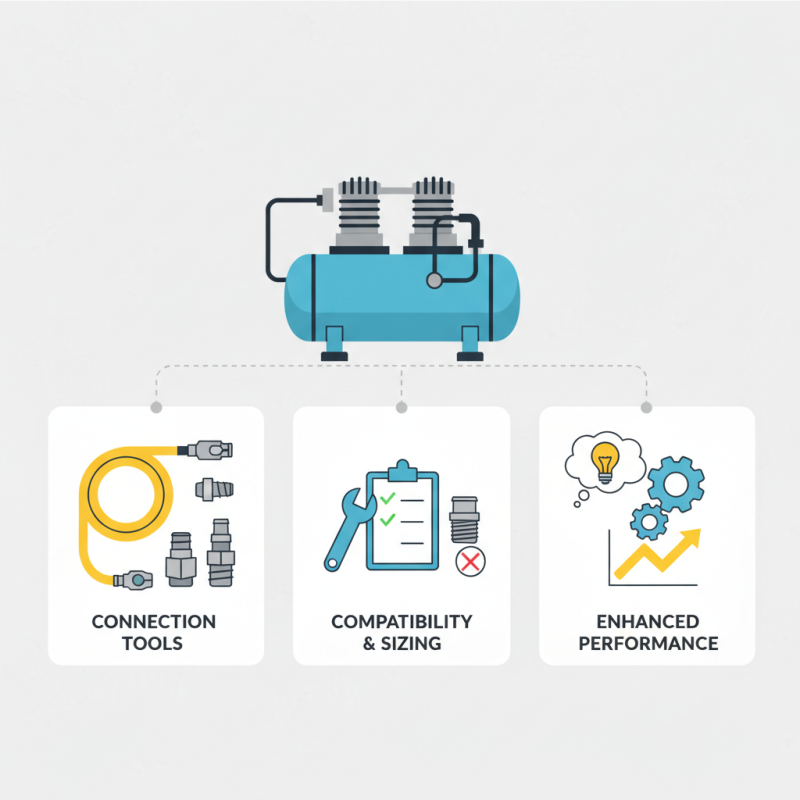
Air compressor accessories come in various forms. Hoses, fittings, and couplers are crucial for connecting tools. A quality air hose ensures efficient air flow, while proper fittings prevent leaks. Not all accessories work perfectly with every compressor. Compatibility is key, so always check specifications before purchase.
Mistakes are common, such as buying the wrong size or type of accessory. This can lead to frustration during projects. Learning from these missteps is vital for future success. With the right knowledge, beginners can find the ideal accessories and maximize their air compressor's potential.
Understanding Air Compressor Basics and Functionality
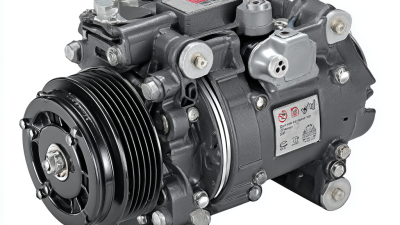
Air compressors play an essential role in various applications. They power tools, inflate tires, and assist in painting. Understanding their basics is crucial for beginners. A standard air compressor converts power into potential energy stored as compressed air. This process usually involves a motor, a pump, and an air tank.
Knowledge of pressure is vital. Most compressors deliver air in PSI (pounds per square inch). According to industry data, a typical home compressor operates between 90 to 120 PSI. This pressure range meets most needs but can be insufficient for larger tools. Beginners often overlook the significance of airflow rate, measured in CFM (cubic feet per minute). A high CFM rating ensures tools run effectively without stalling.
Accessories enhance compressor functionality. Hoses, regulators, and couplers improve safety and efficiency. Many users face challenges with compatibility. A mismatch can lead to underperformance. Beginners should take time to research before purchasing accessories. It’s crucial to understand what each accessory does. Misunderstanding can hinder workflow and lead to wasted resources.
Essential Accessories for Enhancing Air Compressor Performance
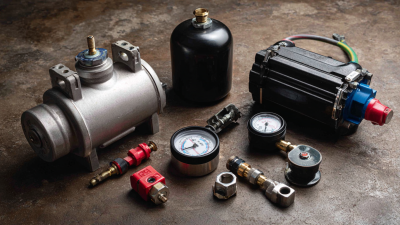
An air compressor is a versatile tool that benefits greatly from the right accessories. These enhancements can improve performance and efficiency, making tasks easier. Essential accessories include hoses, regulators, and filters. Each plays a unique role in maximizing your compressor's potential.
For example, a good hose allows for efficient airflow. Choose one that matches your compressor's output. Length and diameter matter—too long or narrow can cause pressure drops. Filters play a crucial role, too. They remove moisture and contaminants, protecting your tools.
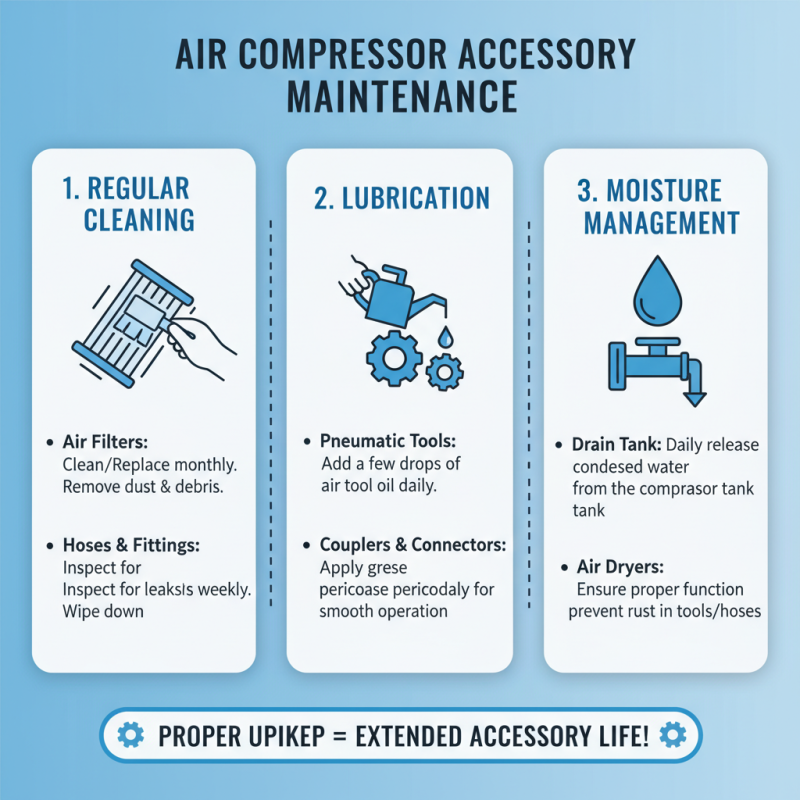
Tips: Regular maintenance is vital. Check hoses for wear; replace them if needed. Inappropriate attachments can lead to inefficiency or damage. Investing time upfront saves frustration later. Always think about the specific requirements of your projects to select the right accessories. Keep experimenting with different setups to see what works best for you.
Common Air Compressor Accessories and Their Uses
Air compressor accessories are essential for maximizing efficiency and versatility. One common accessory is the air hose. The right length and diameter of the hose can drastically affect airflow. According to industry reports, a poorly sized hose can reduce pressure by up to 50%. A quality hose, on the other hand, maintains consistent pressure for tasks like painting or inflating tires.
Another critical accessory is the air regulator. This device controls the pressure of the air delivered from the compressor. Inaccurate pressure can lead to equipment damage or inefficient operation. Studies show that many users underestimate the importance of proper air pressure. It’s not just about having air, but the right amount. A regulator can prevent costly mistakes by ensuring tools operate within specified limits.
Lastly, filters and moisture separators protect tools from impurities. Compressed air often contains water and dirt, potentially shortening tool life. Data indicates that 30% of air tools fail due to contaminated air supply. Users often neglect proper maintenance of these accessories, which can lead to frustration and repair costs. Investing time in understanding these components can pay off significantly in equipment performance.
Safety Considerations When Using Air Compressor Accessories
Air compressor accessories can enhance the efficiency of various tasks but come with safety risks. According to the U.S. Bureau of Labor Statistics, air compressor-related accidents account for a significant number of workplace injuries each year. These injuries often stem from improper usage or lack of protective gear. It is crucial to understand safety protocols to mitigate these hazards.
Wearing appropriate PPE is essential when using air compressor accessories. Simple measures like safety goggles and ear protection can prevent severe injuries. A recent study from the National Safety Council highlighted that 75% of air compressor incidents could be avoided with proper training and protective measures. Ensuring a secure workspace free from clutter is another basic yet often overlooked detail.
Regular maintenance of both the air compressor and its accessories cannot be neglected. Neglected equipment can malfunction, leading to potential injuries. Users should inspect hoses, fittings, and tools for wear and tear. Nearly 60% of workplace accidents occur due to equipment failure. Making safety a priority ensures that the benefits of air compressor accessories are enjoyed without unnecessary risks.