What is an Air Compressor Filter and How Does It Work?
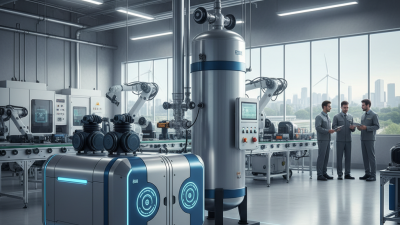
Air compressor filters play a crucial role in maintaining the efficiency of your air compressor. These filters are designed to remove contaminants and moisture from the air before it enters the compressor. When a compressor operates, it pulls in air that may contain dust, dirt, and other impurities. Without proper filtration, these contaminants can lead to equipment damage and reduced performance.
Understanding how air compressor filters work can help you ensure your system runs smoothly. They act as a barrier, preventing unwanted particles from entering the system. Regular maintenance of these filters is essential. Neglecting this can result in decreased efficiency and costly repairs. It's important to choose high-quality filters suitable for your specific compressor model.
While many users may overlook the importance of air compressor filters, their role is significant. A clean air supply enhances the longevity of the machine. However, air compressor filters require regular checks and replacements. This can be an area where users might face inconvenience, but it’s essential for optimal performance.
What is an Air Compressor Filter: Definition and Purpose
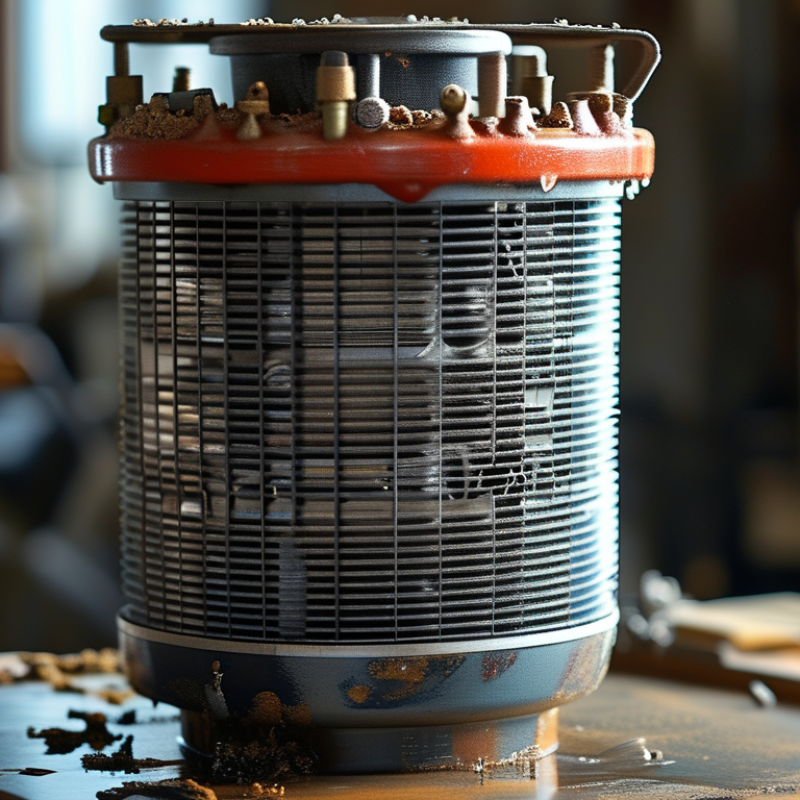
An air compressor filter is a crucial component in pneumatic systems. Its primary purpose is to remove impurities from the compressed air. These impurities can include dust, dirt, moisture, and oil particles. Contaminated air can damage tools and equipment. Maintaining clean air enhances performance and extends the life of machinery.
The filter works by utilizing a combination of mechanical and coalescing methods. Air passes through the filter element, which captures contaminants. The design often includes multiple layers to maximize filtration efficiency. However, filters need regular inspection and replacement to maintain effectiveness. Neglect can lead to reduced air quality and system failures.
Understanding the function of an air compressor filter is essential for optimal operation. Some users may forget about the filter's maintenance. This oversight can result in costly repairs. By prioritizing filter care, users can ensure their systems run smoothly. The process isn't always perfect, and sometimes it requires adjustments. Regularly reviewing filtration components can lead to improved system reliability.
Air Compressor Filter Efficiency by Filter Type
Types of Air Compressor Filters Used in Various Industries
Air compressor filters play a vital role in ensuring the efficiency and longevity of pneumatic systems. Various industries rely on these filters to maintain clean air and protect equipment. There are different types of filters tailored for specific applications. For example, coalescing filters remove moisture from compressed air. This is crucial in reducing wear on tools and machinery. Dust and particulate filters capture solid contaminants, helping to improve air quality.
In the automotive sector, these filters are essential for painting processes. They prevent dust and dirt from affecting finishes. Manufacturing industries often use activated carbon filters to remove odors and volatile compounds. However, filters must be regularly inspected and replaced. Failure to do so can lead to performance issues and costly downtime.
Not all filters work the same way in different settings. It's a challenge to select the right filter for your needs. Some filters may not remove all particles effectively. It’s important to consider the specific requirements of your application. Doing thorough research and consulting experts is beneficial. Understanding the limitations of each filter type allows for better decision-making.
What is an Air Compressor Filter and How Does It Work? - Types of Air Compressor Filters Used in Various Industries
| Filter Type |
Application |
Efficiency |
Typical Industries |
| Coalescing Filter |
Removes moisture and oil aerosols |
99%+ for water and oil |
Manufacturing, Automotive |
| Particulate Filter |
Removes dust and dirt particles |
95% - 99% |
Food and Beverage, Textile |
| Activated Carbon Filter |
Absorbs odors and VOCs |
High adsorption capacity |
Pharmaceutical, Chemical |
| Aftercooler |
Cools compressed air to reduce moisture |
N/A |
General Manufacturing, Pneumatics |
| Separator Filter |
Separates oil from air |
99% for oil separation |
Oil and Gas, HVAC |
How Air Compressor Filters Improve Efficiency and Equipment Longevity
Air compressor filters play a crucial role in maintaining the overall efficiency of your equipment. They remove dirt, oil, and moisture from the compressed air. Without proper filtration, contaminants can damage internal components. This can lead to costly repairs and increased downtime. Efficient filtration keeps the air clean, ensuring tools and machinery operate smoothly.
Improved efficiency is a major benefit of using air compressor filters. Clean air allows machines to function without excessive strain. This reduces energy consumption. In turn, you’ll notice lower utility bills. The longevity of your equipment increases as well. Regularly replacing filters prevents wear and tear. It's simple yet often overlooked.
Some users forget to check their filters regularly. This can result in performance issues. Dirty filters restrict airflow. Equipment may not run at optimal capacity. Eventually, performance can deteriorate. Taking time to monitor filter conditions can save significant trouble later on. A proactive approach ensures that your air compressor remains reliable and efficient.
Key Performance Metrics: Filtration Efficiency and Flow Rate Standards
Air compressor filters play a crucial role in maintaining air quality and equipment efficiency. Their performance is primarily measured by filtration efficiency and flow rate standards. Filtration efficiency indicates how well a filter can remove contaminants from the air. High efficiency is essential, especially in industries where clean air is critical for processes and equipment longevity.
Flow rate standards assess how much air can pass through the filter without significant pressure drop. A good balance between these two metrics is vital. A filter that is too restrictive can hinder air supply. Conversely, a filter with low efficiency may allow harmful particles to pass through.
Tips for selecting a filter include considering the operating environment. Harsh conditions may require more robust filtration. Regular maintenance is also crucial. Replace filters as recommended to ensure optimal performance. Remember, an overused filter can compromise air quality. Sometimes, the best choices involve trial and error. Not all filters are equal; finding the right one might take time and a few unanticipated challenges.
Maintenance Practices for Air Compressor Filters to Ensure Optimal Functioning
Air compressor filters play a critical role in ensuring the longevity and efficiency of equipment. Regular maintenance practices are essential for optimal functioning. One key practice is to check and replace filters periodically. Over time, filters can become clogged with dust and debris. This blockage can lead to reduced airflow and increased strain on the compressor. Neglecting this aspect can result in costly repairs.
Cleaning the filters is another vital maintenance task. It’s advisable to use compressed air or a soft brush to remove dust. Sometimes, a simple rinse with water can do wonders. However, ensure the filters are completely dry before reinstallation. Regular inspection of the filter housing is equally important. Look for any signs of wear or damage. If the housing is compromised, contaminants could enter the compressor. Using the right filter for your specific air compressor is crucial, as not all filters are created equal.
Documenting maintenance activities can help keep track of when filters were last checked or replaced. This accountability improves reliability and influences the overall performance of the air compressor. While maintenance may seem burdensome, the consequences of neglect can be dire. A well-maintained filter ensures clean air, extending the life of your equipment. Regular attention can prevent unnecessary operational hiccups, leading to improved efficiency and reduced downtimes.