What is an Air Tank and How Does It Work?
Air tanks are essential tools used in various applications, from construction to scuba diving. These tanks store compressed air, allowing users to access a reliable source of air on demand. To understand how air tanks operate, one must consider both their design and functionality.
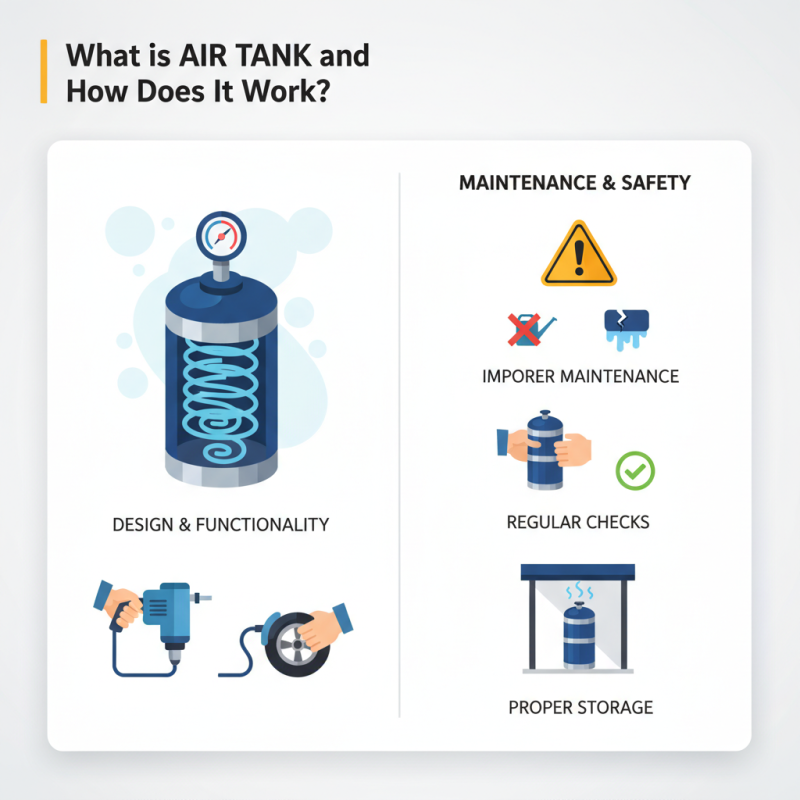
Air tanks are built to withstand high pressure. They come in different sizes and materials, serving various purposes. For instance, larger tanks support heavy machinery, while smaller ones are used for inflating tires. Each type has unique requirements and safety features to prevent accidents. However, improper maintenance can lead to issues, like leaks or failures.
While air tanks serve vital roles, their proper understanding is crucial. Users should be aware of their limitations and best practices. For example, improper storage can lead to damage. It's essential to regularly check the integrity of an air tank. This diligence ensures safety and efficiency in every task.
What is an Air Tank?
An air tank is a crucial component in various industries, serving a range of functions. It is designed to store compressed air, which can be used for different applications. These tanks come in various sizes and shapes, depending on their intended use. Commonly found in workshops and construction sites, an air tank helps in powering pneumatic tools. The versatility of air tanks makes them essential in many environments.
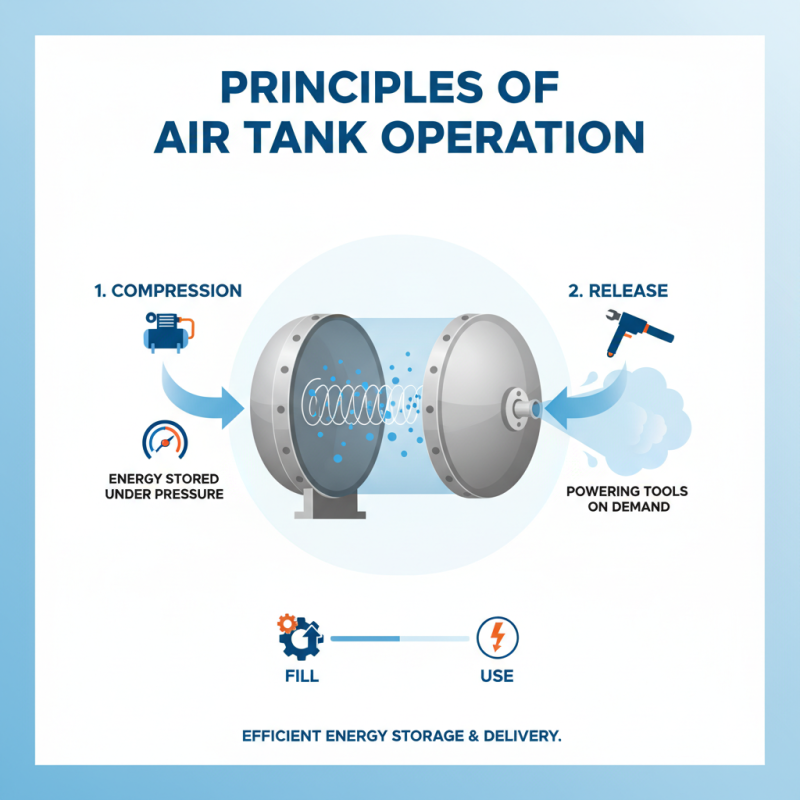
Understanding how an air tank works is straightforward. Compressed air is stored under pressure, allowing it to be released when needed. This process is controlled by valves, which ensure that the air is dispensed safely. As air is used, the pressure level drops, requiring the tank to be refilled. Regular maintenance is essential to avoid leaks or malfunctions. Many people overlook this aspect, leading to inefficient performance. Learning about the optimal operation of an air tank can enhance its reliability and lifespan.
It's also important to consider safety. Tanks must be inspected regularly for signs of wear or damage. A poorly maintained air tank can pose a risk. Sometimes, users underestimate the potential hazards, which can lead to dangerous situations. A well-functioning air tank not only boosts productivity but also ensures a safer working environment.
What is an Air Tank and How Does It Work?
| Feature |
Description |
Applications |
| Volume |
Air tanks come in various sizes, typically ranging from 5 to 80 gallons. |
Used in pneumatic tools, air compressors, and pressure applications. |
| Pressure Rating |
Tanks are rated for different pressure levels, commonly 125 to 175 PSI. |
Critical in ensuring safety in commercial and industrial settings. |
| Material |
Typically made from steel or aluminum for durability and lightweight properties. |
Used in various environments, including automotive and manufacturing. |
| Function |
Stores compressed air to provide consistent pressure for tools and equipment. |
Essential for air-operated devices and processes in multiple industries. |
| Accessories |
May include pressure regulators, gauges, and safety relief valves. |
Facilitates efficient operation and enhances safety in pneumatic systems. |
Components of an Air Tank
An air tank is a vital component in various systems, storing compressed air for different applications. Understanding its components helps to appreciate how it operates effectively.
The main part of an air tank is the cylindrical body. It is usually made of strong metal to withstand high pressure. This body contains compressed air, ready for use. Alongside the body, there is a pressure gauge. This gauge shows the current air pressure inside the tank. Knowing the pressure is crucial for safety and efficiency.
Another important component is the safety valve. This prevents overpressure, releasing air if the tank exceeds safe limits. Additionally, there are inlet and outlet ports. They allow air to enter and exit the tank. Connecting hoses or pipes typically attach to these ports. Each component plays a significant role, ensuring the air tank performs reliably in various tasks. It’s essential to regularly check and maintain these parts for optimal operation.
How Air Tanks Store Compressed Air
Air tanks play a crucial role in storing compressed air safely and efficiently. They are built to withstand high pressure, ensuring the air inside remains contained until needed. The basic design includes a strong metal cylinder that can hold a significant amount of air. This enables users to access compressed air for various applications, from powering tools to inflating tires.
Compressed air is stored in these tanks after being generated by a compressor. The compressor pushes air into the tank, increasing its pressure. When you turn on a tool, air flows out, providing the necessary power. It's essential to monitor the air pressure inside the tank. Overfilling can be dangerous. Regular checks can prevent potential hazards and maintain safety.
Understanding air tanks requires knowledge of proper usage and maintenance. Users need to learn about pressure gauges and safety release valves. Neglecting these details can lead to issues. Compressed air can be powerful but also requires responsibility. Awareness of best practices ensures air tanks work effectively and safely in various tasks.
Principles of Air Tank Operation
An air tank is designed to store compressed air for various applications, such as pneumatic tools and equipment. Understanding how an air tank operates is crucial for users to optimize its functionality. The operation principles revolve around compression and release of air. When air is compressed, it is stored under pressure in the tank. This process allows energy to be stored efficiently, which is released when needed.
According to a report from the Compressed Air and Gas Institute, the efficient operation of an air tank can improve system performance by up to 30%. An air compressor draws in ambient air and compresses it, filling the tank until it reaches a preset pressure. Pressure switches monitor levels, ensuring the tank doesn't exceed its maximum limit. This prevents system overload and potential hazards, illustrating the importance of understanding air tank specifications and limitations.
However, not all systems operate perfectly. Users often overlook regular maintenance, which is key to ensuring safety and efficiency. Regular checks, such as inspecting pressure relief valves, are essential. A study from the International Organization for Standardization revealed that 20% of air systems suffer from pressure drop issues due to neglect. Users should reflect on their maintenance routines to improve overall reliability while acknowledging that even well-maintained tanks can encounter unexpected challenges.
Applications of Air Tanks in Various Industries
Air tanks have numerous applications across various industries, showcasing their versatility and importance. In manufacturing, air tanks supply compressed air for tools and machinery. They enhance tool efficiency and ensure a consistent air supply. Without these tanks, operations may suffer from fluctuations in pressure, leading to reduced productivity.
In the construction industry, air tanks are vital for powering pneumatic tools. These tools rely on compressed air for tasks such as drilling and nail shooting. A reliable air tank can significantly improve the speed and effectiveness of construction projects. However, improper maintenance may lead to leaks or reduced performance, highlighting the need for regular checks.
In the food and beverage sector, air tanks support processes like packaging and dispensing. Clean, compressed air helps in maintaining hygienic conditions. Yet, if a tank is not properly sanitized, it could pose contamination risks. This underscores the importance of routine maintenance and inspection to ensure safety and efficacy in various applications.