What are the Benefits of Automated Parking Management Systems?
Automated Parking Management Systems (APMS) are transforming urban landscapes. These advanced solutions streamline the parking process through technology. They help reduce congestion, minimize emissions, and optimize parking space utilization. People are witnessing a rising need for efficient parking solutions in busy city environments.
Investing in APMS offers concrete benefits. These systems provide real-time data to drivers, reducing the time spent searching for parking. Additionally, they enhance user experience by improving accessibility to available spots. However, not all implementations are flawless. Some users may face technical issues, leading to frustration.
The sustainability aspect also needs attention. While APMS can lower carbon footprints, the energy consumption of high-tech systems needs reflection. Hence, it's essential to weigh both advantages and challenges when considering Automated Parking Management Systems. Balancing innovation and practicality is crucial for future developments.
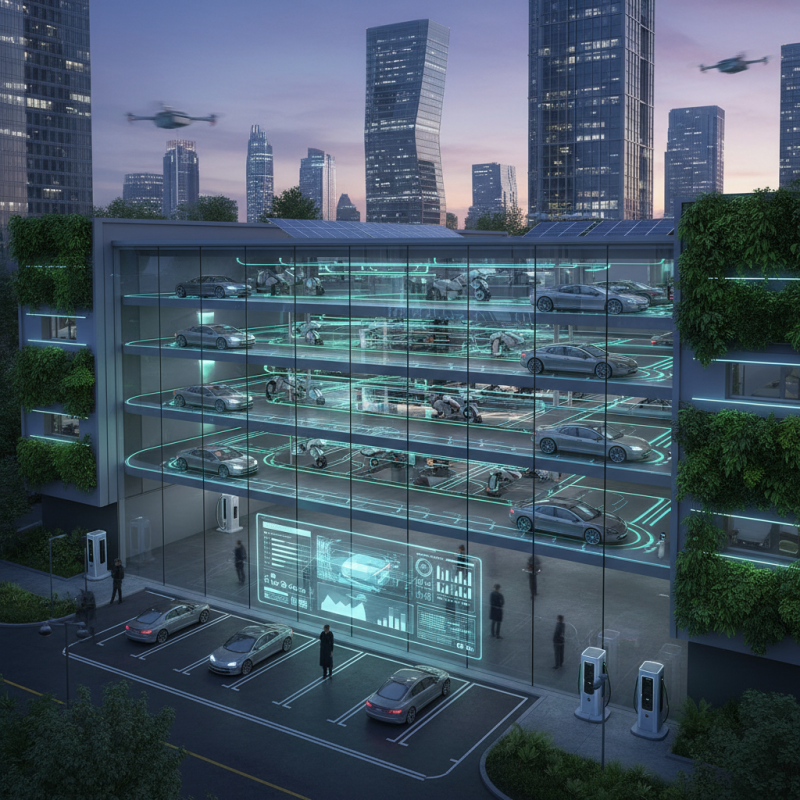
Benefits of Increased Efficiency in Parking Operations
Automated Parking Management Systems (APMS) significantly enhance the efficiency of parking operations. These systems streamline vehicle management and optimize space usage. By automating tasks like ticketing and payment processing, they reduce human error and improve overall accuracy. In busy urban areas, this translates to quicker turnaround times for drivers. The result is a smoother parking experience that benefits both users and operators.
Consider a scenario where drivers often circle the block searching for parking. With APMS, real-time data on available spaces is accessible. Visitors can find spots more easily, decreasing congestion and frustration. According to industry observations, this can lead to a reduction in traffic delays. However, the initial implementation of such systems can be challenging and might require staff adjustments. It's a process that demands attention and ongoing evaluation.
Efficiency brings with it the opportunity for increased revenue. Automated systems can monitor parking spot usage and provide insights and metrics that help operators make informed decisions. The end goal is to create a more organized and user-friendly parking environment. Yet, organizations must continually assess these systems for optimal performance. Balancing technology and human oversight is critical for long-term success.
Benefits of Automated Parking Management Systems
This chart illustrates the various benefits of Automated Parking Management Systems, highlighting how they contribute to efficiency in parking operations. Time savings lead the benefits at 30%, followed by cost efficiency at 25%, showcasing the significant impact of these systems on parking management.
Enhanced User Experience and Convenience for Drivers
Automated parking management systems are transforming the way drivers interact with parking spaces. These systems utilize advanced technology to streamline the parking process, making it quicker and easier for drivers to find available spots. In busy urban areas, this enhanced experience can reduce frustration, as drivers spend less time circling and searching for a place to park.
Imagine arriving at a crowded venue and being seamlessly guided to an open space. This kind of convenience can improve overall satisfaction. The technology behind automated systems often includes mobile apps that show real-time parking availability. Users can reserve spots in advance, eliminating the anxiety of arriving at a full parking lot. However, not all drivers may be comfortable with these high-tech solutions. Some may prefer traditional methods, leading to a mixed reception in various communities.
While the benefits are clear, challenges exist. Users must adapt to new technology, which can be daunting. There's also the need for reliable internet connections and system maintenance to ensure functionality. As cities evolve, balancing tradition with innovation remains vital. Automated parking management systems hold great promise, but ongoing dialogue about their implementation is essential for community acceptance.
What are the Benefits of Automated Parking Management Systems? - Enhanced User Experience and Convenience for Drivers
| Feature | Description | Benefits |
| Real-time Availability | Drivers can see current parking space availability via an app or display. | Saves time and reduces frustration when looking for parking. |
| Automated Payment Systems | Payment can be made through mobile apps or automated kiosks. | Increases convenience and eliminates the need for cash or coins. |
| Guided Parking | Guidance systems direct drivers to available parking spots. | Minimizes the time spent searching for a spot and reduces traffic congestion. |
| Reservation Features | Allows drivers to reserve parking spots in advance. | Provides peace of mind and guarantees parking availability. |
| Data Analytics | Collects data on parking trends and usage. | Helps optimize space usage and improve services. |
Reduction of Environmental Impact through Space Optimization
Automated Parking Management Systems (APMS) offer significant benefits, particularly in reducing environmental impact. By optimizing parking space, these systems help minimize land use and lower emissions from vehicles circling for parking. Efficient space utilization decreases the demand for expansive parking lots. This leads to more green areas and less urban sprawl.
APMS also contributes to better traffic flow. Fewer vehicles searching for parking means reduced congestion. This improvement can lower carbon footprints significantly. A smooth parking experience can encourage people to use cars less frequently, promoting public transportation.
Tip: Evaluate the size and layout of your parking space. Make adjustments to accommodate an automated system for maximum efficiency.
While the benefits seem compelling, implementation can have drawbacks. Initial costs for technology and installation may be high. It's essential to analyze long-term savings versus these upfront expenses.
Tip: Conduct a thorough cost-benefit analysis before moving forward. Consider potential funding options to ease initial investments.
Cost Savings for Operators and Maintenance Improvements
Automated parking management systems are increasingly adopted due to their ability to streamline operations. These systems reduce costs significantly for operators. With real-time data on parking availability, they minimize the time spent searching for spots. This efficiency translates into lower labor costs and improved resource allocation.
Maintenance improvements are another critical benefit. Automated systems can detect issues early, allowing for timely repairs. This proactive approach extends the lifespan of parking facilities. Regular monitoring reduces emergency situations and costly repairs. However, it’s essential for operators to consider the initial setup costs and the need for staff training.
Investing in automation can lead to greater long-term savings. Yet, businesses must be cautious. Not all systems integrate seamlessly with existing infrastructure. Operators should evaluate their unique needs. A well-researched decision can yield significant benefits and enhance overall operational efficiency.
Data-Driven Insights for Better Urban Planning and Management
Automated parking management systems are transforming urban environments. By leveraging real-time data, cities can enhance parking efficiency and reduce congestion. According to industry reports, cities utilizing these technologies can increase parking space utilization by up to 30%. This means fewer cars circling blocks looking for spots, which enhances air quality and decreases traffic-related stress.
Moreover, data-driven insights allow urban planners to make informed decisions. Patterns in parking behavior reveal peak times and popular locations. For example, cities can allocate resources more effectively based on this data. However, there are concerns. Increased reliance on technology could lead to privacy issues. Maintaining data integrity and security will be crucial as cities implement these systems.
Furthermore, automated systems often require upfront investment. While the long-term benefits include reduced operational costs and improved user experience, cities must weigh these against initial expenses. Insights gained can pinpoint exactly where investments yield the most benefit. Still, continual reflection on the effectiveness of implemented systems is essential to ensure they meet evolving urban needs.