What Are the Benefits of Industrial Polyurethane Foam?
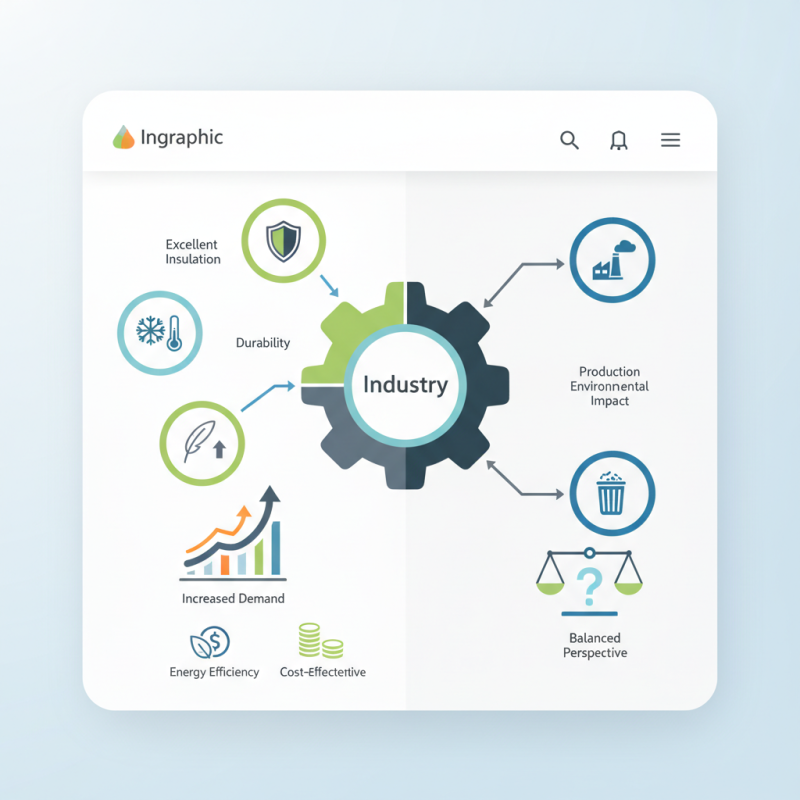
Industrial Polyurethane Foam is a versatile material widely used across numerous industries. Its unique properties make it an essential component in various applications, from manufacturing to construction. This foam offers notable advantages, such as excellent insulation, durability, and lightweight characteristics.
In recent years, the demand for Industrial Polyurethane Foam has surged. Businesses are increasingly recognizing its benefits for energy efficiency and cost-effectiveness. However, while this material is beneficial, it’s crucial to approach its use with a mindset of responsibility.
Some may overlook potential environmental impacts associated with its production and disposal. Understanding these aspects is vital for a balanced perspective. Ultimately, appreciating Industrial Polyurethane Foam requires both recognition of its advantages and awareness of its limitations.
Benefits of Industrial Polyurethane Foam for Insulation Applications
Industrial polyurethane foam is gaining traction in insulation applications due to its unique properties. With a thermal conductivity value as low as 0.020 W/mK, it significantly reduces heat transfer. This makes it an excellent choice for energy-efficient buildings. A study from the American Society of Heating, Refrigerating and Air-Conditioning Engineers (ASHRAE) highlights that using polyurethane foam can result in energy savings of up to 30%.
In addition to thermal efficiency, polyurethane foam enhances comfort. Its excellent sound-dampening qualities reduce noise transmission. This is particularly beneficial in urban environments where noise pollution is a concern. The foam's lightweight nature also aids in easy installation, reducing labor costs and time.
**Tip:** When selecting insulation materials, consider the long-term energy savings. While initial costs may vary, efficient insulation leads to lower utility bills.
The flexibility of polyurethane foam allows it to conform to irregular shapes, optimizing fit and coverage. However, it’s essential to ensure proper installation. Poor application can lead to gaps, diminishing its effectiveness. Regular inspections can help maintain insulation performance over time.
**Tip:** Always assess the insulation condition periodically. Addressing small issues early can prevent larger, costly repairs later.
Cost-Effectiveness of Polyurethane Foam vs. Traditional Materials
The cost-effectiveness of polyurethane foam compared to traditional materials is increasingly gaining attention. According to a report by the U.S. Department of Energy, polyurethane foam insulation offers a higher R-value per inch than fiberglass or cellulose. This means better thermal performance with less material, resulting in lower energy costs over time.
A study from Market Research Future highlighted that manufacturers reduce costs by using polyurethane foam. The lightweight nature of the foam decreases shipping costs. Additionally, when used in automotive applications, it can lead to overall weight savings, improving fuel efficiency. The initial investment might be higher, but the long-term savings are significant.
However, it’s essential to reflect on challenges. While polyurethane foam is more durable, its environmental impact is a concern. The production process can be energy-intensive and generates waste. These factors can affect cost comparisons. Balancing cost with sustainability is crucial for manufacturers looking to implement this material responsibly.
Durability and Longevity: The Performance Metrics of Polyurethane Foam
Industrial polyurethane foam is known for its impressive durability and longevity. This material can withstand harsh conditions, making it ideal for various applications. It resists wear and tear, which extends the life of products. Companies benefit from reduced maintenance costs and fewer replacements. In many environments, this foam maintains its structure and support.
Performance metrics highlight how polyurethane foam outperforms other materials. It can absorb impact without losing its shape. This quality is essential for industries that require reliable cushioning. Additionally, it provides excellent thermal insulation, contributing to energy efficiency. Users often note how satisfied they are with its functional properties. However, some feedback reveals occasional concerns about adaptability in extreme temperatures.
While the benefits are clear, challenges can arise. Not all polyurethane foams perform equally under varying conditions. Users should assess their specific needs. Some may find that certain types lack the required resilience. Addressing these discrepancies can lead to better selection and implementation. Ultimately, understanding both strengths and weaknesses empowers informed decision-making for industrial applications.
What Are the Benefits of Industrial Polyurethane Foam? - Durability and Longevity: The Performance Metrics of Polyurethane Foam
| Performance Metric | Description | Measurement |
| Compression Strength | Ability to withstand compressive forces without deformation | 200-400 kPa |
| Tensile Strength | Resistance to being pulled apart | 300-600 kPa |
| Density | Mass per unit volume | 30-100 kg/m³ |
| Thermal Conductivity | Ability to conduct heat | 0.020-0.030 W/m·K |
| Water Absorption | Ability to absorb moisture | < 1% by volume |
| Service Life | Expected duration of use under normal conditions | 10-20 years |
Environmental Impact: Recyclability and Sustainable Practices in PU Foam
Industrial polyurethane foam (PU foam) plays a significant role in various sectors. Its recyclability is increasingly becoming a vital consideration. Many manufacturers are exploring sustainable practices to minimize environmental harm. PU foam can be recycled physically or chemically. This allows it to be repurposed rather than sent to landfills.
Tips: Research local recycling programs for PU foam. Understanding different recycling methods can help reduce waste. Consider the lifecycle of foam products from production to disposal.
Sustainable practices in PU foam production include using renewable materials. Some companies opt for bio-based polyols, which offer lower carbon footprints. However, challenges remain. The availability of sustainable materials can be limited. Balancing performance with eco-friendliness is critical in production.
Tips: When choosing PU products, inquire about sustainability. Look for certifications that indicate environmentally friendly practices. Small shifts in purchasing decisions can drive demand for greener solutions.
Applications Across Industries: From Automotive to Construction and Beyond
Industrial polyurethane foam is a versatile material with applications that span various industries. In the automotive sector, it provides effective insulation and soundproofing, enhancing comfort for passengers. Foam is used for seat cushioning, ensuring durability and support during long drives. The lightweight nature of polyurethane also contributes to improved fuel efficiency.
In construction, polyurethane foam is invaluable for its thermal insulation properties. It helps in creating energy-efficient buildings by minimizing heat loss. The foam's ability to expand and fill gaps ensures that air leaks are sealed effectively. This product also has applications in roofing, where it forms a protective barrier against moisture.
Despite its benefits, users must be cautious. The production process can generate waste and volatile organic compounds. Proper handling and disposal are crucial to mitigate environmental impacts. Continuous innovation in recycling methods is needed to address these challenges. The industry's commitment to sustainability remains an ongoing conversation.