Why Choose Triple Eccentric Butterfly Valves?
Triple Eccentric butterfly valves are chosen when ordinary resilient-seated designs may struggle with heat, pressure, or demanding shutoff requirements. Their three-offset geometry helps the disc move away from the seat as it opens, reducing rubbing and wear. At closure, the metal seat engages to create a tight seal. That movement is precise. But it is not magic: performance depends on the valve design, materials, actuator, and actual service conditions.
Philip L. Skousen, author of Valve Handbook, is a recognized valve-engineering reference. A useful principle consistent with his engineering approach is: “Select for the duty, not the label.” For Triple Eccentric valves, that means checking operating pressure, temperature, fluid compatibility, cycle frequency, and leakage requirements before specifying a model. Picture a hot process line cycling through repeated shutdowns: reduced seat contact during travel can help limit friction, while correct torque and installation remain essential. Small details matter. A suitable valve may offer reliable shutoff and long service life, yet it can cost more and demand careful sizing. The choice deserves a second look when the application is mild or when maintenance access is limited. This guide explains the design, benefits, trade-offs, and selection checks that help determine whether a Triple Eccentric butterfly valve fits the job.
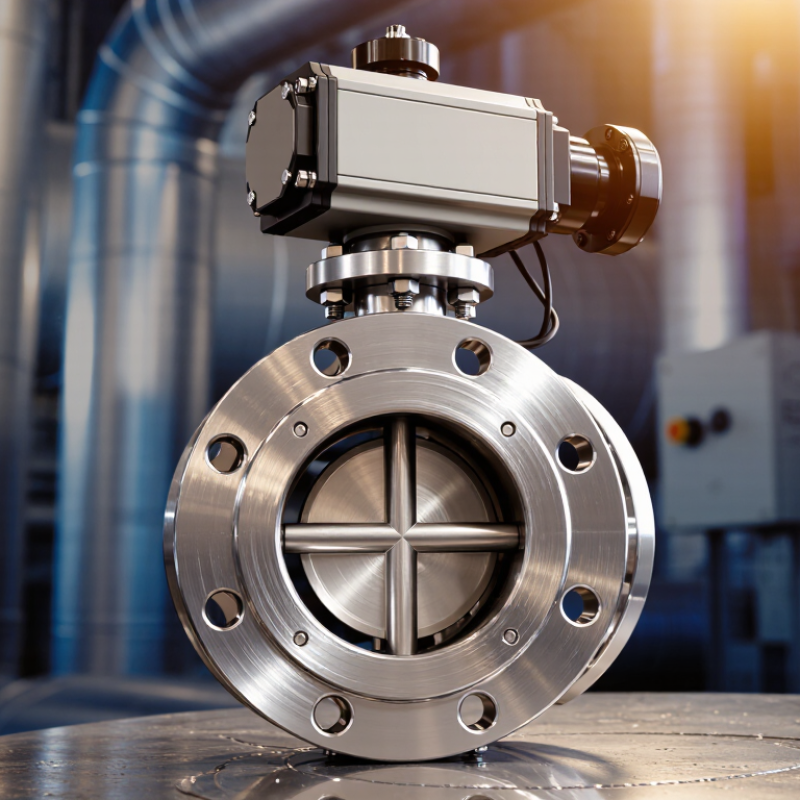
What Is a Triple Eccentric Butterfly Valve?
A triple eccentric butterfly valve is a quarter-turn valve with three geometric offsets between its shaft, disc, and sealing surfaces. These offsets help the disc move clear of the seat as it opens. Contact occurs mainly near the end of closing, rather than across the seat throughout the turn. That matters. It can reduce rubbing and wear compared with designs that maintain more continuous seat contact.
The sealing surfaces are often metal, with a conical shape that creates a cam-like closing action. This construction can suit demanding service, including elevated temperatures, when the valve is correctly specified. It is not magic. Pressure, temperature, fluid properties, flow direction, and required leakage performance still matter.
A careful review of the seat materials and operating conditions is essential. Check the details. The term “triple eccentric” describes the geometry, but exact dimensions and performance vary by design.
For example, an engineer should confirm the valve’s pressure rating and whether its shutoff capability matches the process requirement. In practice, even a well-made valve can disappoint if it is poorly sized or installed.
How Does Its Three-Offset Design Work?
Why Choose Triple Eccentric Butterfly Valves?
How Does Its Three-Offset Design Work?
A triple eccentric butterfly valve uses three carefully arranged offsets to control how its disc meets the seat. The first moves the stem behind the disc’s sealing plane. The second shifts it away from the centerline of the pipe. These positions help the disc lift clear of the seat as it turns, rather than dragging across it throughout the opening cycle.
The third offset comes from the angled, cone-shaped sealing surfaces. As the valve closes, the disc approaches the seat and makes contact near the end of its quarter-turn. Think of a door that swings freely, then settles firmly into its frame. Less sliding contact can mean less wear, especially in demanding service. Not friction-free, though. The geometry is clever, but not magic. Proper alignment and suitable materials still matter.
This design commonly uses metal-to-metal sealing, which can suit high temperatures or frequent operation when selected for the actual process conditions. Check the pressure rating, fluid compatibility, and required shutoff performance before choosing one. A useful detail: the closing torque can rise near the end of travel, so actuator sizing deserves attention. Small mismatch, real consequences.
What Materials and Components Define Its Construction?
A triple-eccentric butterfly valve is built around a body, disc, stem, and carefully arranged seating surfaces. Bodies are commonly made from carbon steel or stainless steel, with alloy choices depending on the fluid, temperature, and pressure. The disc may use a similar alloy or a different one to suit corrosion and wear conditions. These details are not interchangeable. A material that performs well in clean water may be a poor fit for a hot, abrasive process fluid.
The three offsets shape how the disc meets its seat, reducing sliding contact during operation. Many designs use a metal seat, sometimes with layered metal and graphite, though exact construction varies. The stem transfers actuator force to the disc, while bearings support rotation and packing helps limit leakage around the stem. Small parts matter. Stem alloys, bearing materials, and packing must match the service conditions, not just the valve body. Still, material charts do not tell the whole story; real operating cycles and maintenance history can reveal weaknesses that specifications miss. That detail is easy to overlook.
Which Applications Benefit from Its Design?
Triple eccentric butterfly valves suit services where temperature, pressure, and tight shutoff challenge softer-seated designs. Their offset geometry lifts the disc away from the seat during opening, reducing rubbing and wear. That matters in power plants, refineries, and chemical process lines handling hot steam, fuel, or corrosive fluids. The metal seat can support demanding conditions, but material selection still matters. No valve fits every line.
Energy-sector data shows why these duties remain significant. The International Energy Agency’s Electricity 2024 report states that coal generated 35% of global electricity in 2023. In such plants, qualified triple eccentric valves may serve steam or flue-gas isolation, where heat and cycling can stress valve seats. LNG facilities are another potential application: GIIGNL’s Annual Report 2024 records 401.4 million tonnes of global LNG trade in 2023. However, cryogenic service needs specific design and testing; a standard high-temperature valve is not automatically suitable. Check operating temperatures, pressure, media compatibility, and cycling frequency before selection. Small details matter.
What Factors Matter When Selecting and Maintaining One?
Selecting a triple-eccentric butterfly valve starts with the service, not the catalog. Confirm pressure, temperature, flow direction, shutoff requirements, and the fluid’s corrosiveness. Match the disc, seat, and body materials to the actual process; a small chemistry change can matter. Check actuator torque at the worst operating condition, including differential pressure. Allow for the installation space and verify the end connections. API 609 and MSS SP-68 provide useful design and application references, but they do not replace project-specific engineering. The U.S. EPA’s 2023 Drinking Water Infrastructure Needs Survey estimated $625 billion in drinking-water needs over 20 years. That is system-wide context, not evidence that any particular valve lasts longer.
Maintenance should follow operating conditions and manufacturer guidance. Inspect for external leakage, corrosion, unusual actuator noise, and changes in operating torque. During planned shutdowns, check the disc edge and seat for deposits or damage; record findings so gradual wear does not become guesswork. Small details matter. The EPA’s 2022 Clean Watersheds Needs Survey estimated $630.1 billion in wastewater infrastructure needs over 20 years. These figures describe infrastructure investment, not valve failure rates, but they reinforce the value of planned inspection. One thing worth questioning: a valve that cycles rarely may still need attention, especially after long exposure to heat, solids, or corrosive media.