What Are the Best China Packing Covers for Global Buyers?
Global buyers increasingly treat Packing Covers as a performance component, not a simple protective layer. A well-chosen cover can reduce dust, moisture, abrasion, and handling damage during long-distance transport. It also influences unpacking speed, warehouse cleanliness, and product presentation.
Smithers projects the global packaging market will approach $1.2 trillion by 2028. Its analysis highlights sustainability, material efficiency, and supply-chain resilience as major purchasing drivers. PMMI’s global packaging research also identifies e-commerce growth, automation, and flexible materials as important industry trends. These findings matter for buyers comparing woven covers, nonwoven covers, stretch solutions, and reusable protective fabrics. However, market reports rarely answer the practical question: which cover survives a humid container, sharp pallet edges, and repeated loading?
Packaging consultant Adam Peek has stated, “Packaging is not just a cost; it is a customer experience.” That principle applies directly to Packing Covers. Buyers should examine tensile strength, seam quality, water resistance, ventilation, foldability, and recycling information. Small details matter. A loose elastic edge may expose cartons. Excessive thickness may increase freight costs. A recycled material may perform well, but not in every climate or application.
There is no universal best cover. That is the uncomfortable part. Product weight, route conditions, storage time, and handling methods must shape the decision. This guide compares the leading options for global buyers, using supplier evidence, recognized packaging research, and practical shipment considerations. Some recommendations may need revision as materials and standards evolve.
What Are China Packing Covers and How Are They Used?
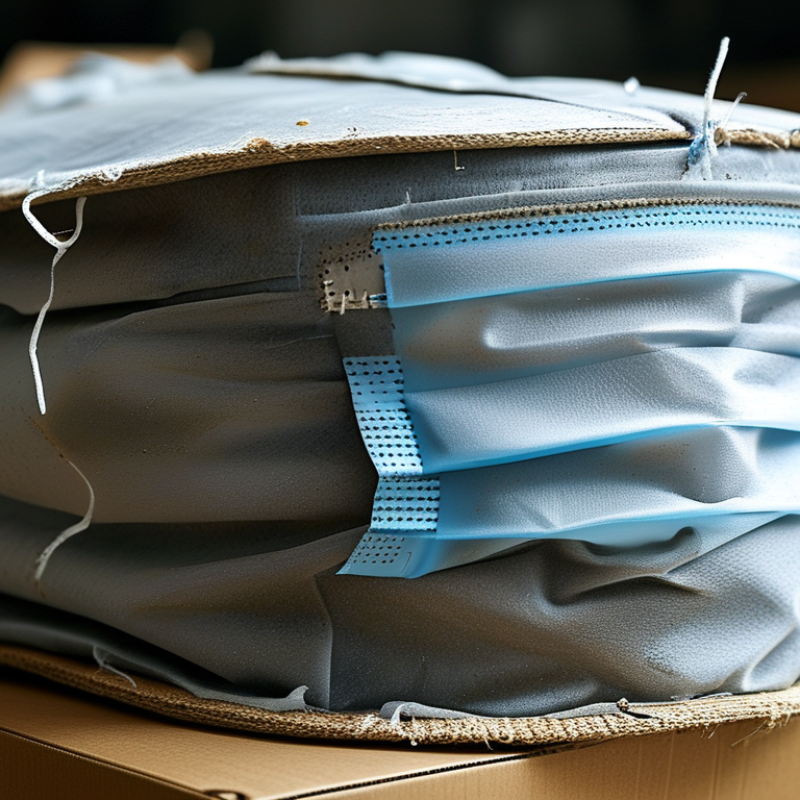
China packing covers are protective sheets or fitted bags made by Chinese manufacturers. They commonly use polyethylene film, woven polypropylene, nonwoven fabric, or coated textiles. Each material serves a different shipping condition. Film resists dust and light splashes. Woven fabric usually offers better tear resistance. A cover is not automatically waterproof.
These covers protect pallets, furniture, machinery, building materials, and spare parts during storage and transport. Workers pull a fitted cover over a pallet before strapping the load. Larger covers may include elastic edges, drawstrings, zippers, or ventilation openings. For export shipments, buyers should specify dimensions, material thickness, seam construction, color, printing limits, and packing method. A clear size chart prevents costly fitting problems.
From practical sourcing experience, the best cover is not always the thickest one. Excess material can increase freight costs and slow packing work. Buyers should request samples, check seam strength, and test covers under stacking and handling conditions. Inspect the bottom edges carefully; weak stitching often appears there first. Moisture protection also depends on the pallet, wrapping, and warehouse conditions. One overlooked gap can expose metal parts to condensation. Quality reports help, but they cannot replace a physical inspection. Some specifications may need adjustment after the first shipment. That is normal, and worth documenting.
What Are the Best China Packing Covers for Global Buyers? - What Are China Packing Covers and How Are They Used?
| Packing Cover Type | Common Material | Typical Weight or Thickness | Main Protection | Typical Applications | Reusability | Best Buying Consideration |
| Woven Polypropylene Cover | Polypropylene woven fabric with optional lamination | Typically 70–180 g/m² | Dust, light moisture, abrasion and tearing | Pallets, cartons, bags, furniture and industrial components | Good when reinforced and properly handled | Fabric density, seam strength, eyelets and UV treatment |
| PE Tarpaulin Cover | Polyethylene film laminated to woven fabric | Typically 90–240 g/m² | Rain, water splash, dirt and short-term outdoor exposure | Machinery, construction materials, timber and outdoor cargo | Moderate to good, depending on fabric weight and handling | Waterproof construction, corner reinforcement and UV resistance |
| Nonwoven PP Cover | Spunbond polypropylene nonwoven fabric | Typically 60–150 g/m² | Dust, scratches, light moisture and surface scuffing | Furniture, appliances, garments and finished goods | Usually reusable for light-duty applications | Softness, breathability, edge finishing and dimensional stability |
| PE Stretch Hood Cover | Stretchable polyethylene film | Typically 40–120 microns | Dust, moisture, shifting and pallet-load contamination | Palletized boxes, beverage loads, building products and bulk goods | Generally single-use and recyclable where facilities exist | Film stretch ratio, puncture resistance, load dimensions and machine compatibility |
| PE Shrink Cover | Heat-shrink polyethylene film | Typically 50–200 microns | Dust, moisture, tampering and load stabilization | Industrial products, pallets, pipes and irregular-shaped cargo | Single-use; recycling depends on local collection systems | Shrink temperature, film uniformity, puncture resistance and equipment requirements |
| Reusable Polyester Cover | Coated or uncoated polyester fabric | Typically 150–400 g/m² | Abrasion, dust, sunlight and repeated handling | Returnable transport packaging, automotive parts and warehouse logistics | High when cleaned, stored and maintained correctly | Washability, tear strength, folding design, fasteners and return logistics |
| Paper Dust Cover | Kraft paper or coated paper | Typically 60–180 g/m² | Dust, light scuffing and short-term indoor protection | Books, cartons, household goods and dry warehouse storage | Usually limited; recyclable after use if uncontaminated | Paper strength, moisture barrier, recyclability and printing requirements |
Buyer Selection Note: The most suitable packing cover depends on cargo dimensions, load weight, transportation route, exposure to rain or sunlight, required reuse cycles, packaging equipment and destination recycling requirements. The specifications shown are common industry ranges and should be confirmed with a supplier using an approved sample.
Which Materials and Designs Suit Different Packing Needs?
Selecting packing covers starts with the cargo, not the catalog photograph. Polyethylene film suits dust protection and short transport cycles. Woven polypropylene handles heavier cartons and repeated handling. Nonwoven polypropylene feels cleaner and offers a softer surface for finished goods. For moisture-sensitive products, laminated structures add a stronger barrier, but they can complicate recycling.
Smithers reported that global flexible packaging demand reached about US$201 billion in 2023, with continued growth expected through 2028. This scale reflects practical demand for lighter, adaptable protection. Design still decides performance. Drawstrings fit irregular loads, while elastic edges seal faster around standard pallets. Gussets improve coverage on bulky equipment. A transparent panel helps warehouse checks without opening the cover. Ventilation openings may reduce condensation, although they weaken dust protection. The compromise is real.
Tips: Ask for test samples before placing a large order. Check seam strength, tear resistance, thickness, and fit on an actual packed unit. ASTM and ISO test methods can improve supplier comparisons. The International Organization for Standardization links packaging performance with distribution risks, including vibration, compression, and climate exposure. Do not choose the thickest cover automatically. It may cost more, weigh more, and create avoidable waste. A reusable polyester cover could suit closed-loop shipping, while a recyclable polyethylene cover may work better for one-way protection. I would also question “waterproof” claims without hydrostatic-pressure results. Labels can sound convincing. Evidence matters.
How Should Global Buyers Compare China Packing Covers?
Global buyers should compare China packing covers by performance, not by catalog photos. In practical sourcing work, I check fabric weight, coating quality, seam strength, and dimensional accuracy. A cover may look thick but tear around its eyelets. Ask for material specifications, tolerance ranges, and recent test records. Request a sample before approving bulk production.
The intended cargo matters. Covers for machinery need abrasion resistance and reinforced corners. Covers for agricultural goods may need waterproofing, ventilation, and UV protection. Compare load dimensions carefully, including folded edges and fastening points. A cover that fits a pallet tightly may fail when workers add protective padding. Small details matter.
Supplier reliability also deserves close inspection. Compare minimum order quantities, sample charges, production time, packaging methods, and replacement policies. Ask whether the factory can maintain the same fabric weight across batches. Independent inspections can verify stitching, measurements, labeling, and carton counts. Do not rely only on a supplier’s test report. It may be current, but not representative. I have seen promising samples become weaker in larger runs. That risk should be discussed openly.
Climate and transport conditions can change the choice. Long sea journeys require resistance to moisture, salt air, and repeated handling. Request clear photos of packed cartons and fastening systems. Check whether documents match the actual product. A low quote is not always economical. Extra rework, delayed loading, or damaged cargo can cost much more.
What Quality Standards Should Buyers Check Before Ordering?
What Are the Best China Packing Covers for Global Buyers?
Before ordering packing covers from China, buyers should verify the material and construction, not only the quoted price. Ask for the fabric type, thickness, weight per square meter, and tensile strength. For woven polypropylene covers, check seam strength and edge reinforcement carefully. Weak stitching often appears after repeated handling.
Request a pre-production sample. Measure its length, width, gusset depth, and closure fit with a ruler. The cover should match the approved drawing within an agreed tolerance. Check water resistance by placing a few drops on the surface. This simple test is useful, but it is not enough. Ask for laboratory reports covering tear strength, UV resistance, colorfastness, and moisture performance. Applicable ISO or ASTM methods should be clearly listed.
Packaging covers may face sunlight, rain, warehouse friction, and long transport periods. Confirm the intended load, storage environment, and destination requirements before selecting the fabric grade. For industrial bulk packaging, relevant standards may include ISO 21898, depending on the product design and use. Request a certificate of analysis and a batch inspection record. A factory audit can also confirm machinery, worker procedures, and traceability.
Do not trust photographs alone.
A clean sample can hide inconsistent production. I have seen buyers approve one excellent piece, then receive covers with uneven seams and mixed dimensions. An independent pre-shipment inspection is worth considering. Define acceptable defects in writing, because vague quality terms create expensive disputes.
What Are the Best China Packing Covers for Global Buyers?
Quality Standards Buyers Should Check Before Ordering
The chart ranks key quality checks on a practical 1–5 buyer-priority scale. Buyers should request test reports, technical specifications, and pre-shipment samples for the relevant material and end use.
Referenced methods include ISO 4593 for plastic-film thickness, ISO 527-3 and ASTM D882 for tensile properties, ISO 6383-2 for tear resistance, ASTM D1709 for impact resistance, ASTM D1003 for haze and luminous transmittance, and ISO 527-3 for seam or weld-strength evaluation where applicable. Priority scores are practical guidance, not universal pass/fail limits.
How Can Buyers Select Reliable Chinese Packing Cover Suppliers?
Reliable Chinese packing cover suppliers should be judged by evidence, not attractive catalog photos. In my sourcing experience, a clear specification prevents most disputes. State the cover size, fabric weight, coating type, stitching method, color, and loading requirements. Ask for a physical sample before placing a large order. Check its seams by pulling them gently. Examine the coating under bright light. Small flaws matter.
A dependable supplier should explain its production process without vague promises. Request recent inspection records, material details, and batch traceability. If the cover protects machinery, furniture, or agricultural goods, confirm its resistance to dust, moisture, tearing, and temperature changes. Test the sample in conditions close to actual use. A factory video call can reveal cutting tables, sewing lines, storage areas, and quality checks. It is not equal to an independent audit, though.
Communication is another practical test. Reliable suppliers answer technical questions directly and confirm revisions in writing. Compare their quotation carefully. A low price may hide thinner fabric, weaker thread, or limited packaging protection. I once focused too much on unit cost and overlooked carton strength, creating unnecessary handling problems. That mistake changed my checklist. Review production time, replacement terms, payment stages, shipping documents, and pre-shipment inspection arrangements. Keep every requirement measurable. Trust still needs verification.