(770) 529-4731
esen

Which Commercial Deck Oven Type Is Best in 2026?

A commercial deck oven can shape more than a bake. It affects crust color, bottom heat, steam control, batch timing, and how smoothly staff move between orders. In 2026, the best choice still depends on the menu, production volume, available utilities, and the space behind the counter. A compact electric model may suit a café with steady, smaller batches. A multi-deck oven may better serve a bakery loading trays throughout the morning. Stone decks can support certain breads and pizzas, but they do not automatically make every product better.

The comparison ahead looks beyond headline capacity. It considers heat recovery after a door opens, temperature consistency across the deck, control layout, cleaning access, installation needs, and service support. These details are easy to overlook in a showroom. They matter at 6 a.m., when the first dough goes in and the next orders are already waiting.

A requested expert quotation cannot be responsibly attributed here: no source articles, interview, or verifiable quotation were provided. Rather than invent a specialist or put words in someone’s mouth, this guide uses a practical buying principle: “Choose the oven around the products and workload you actually have—not the features you may never use.” That is a selection rule, not a sourced expert quote. It is also worth questioning: a busy shop’s needs can change, and the cheapest fit today may feel restrictive later.
Which Commercial Deck Oven Type Is Best in 2026?

What Defines a Commercial Deck Oven and Its Main Types

A commercial deck oven is a fixed-chamber oven with food baked on a heated, solid deck. Separate controls often adjust heat from above and below. This helps bakers manage crust color and base texture. The deck may be stone, ceramic, or metal, and each surface transfers heat differently. Stone retains heat well, but it takes time to recover after a busy loading cycle.

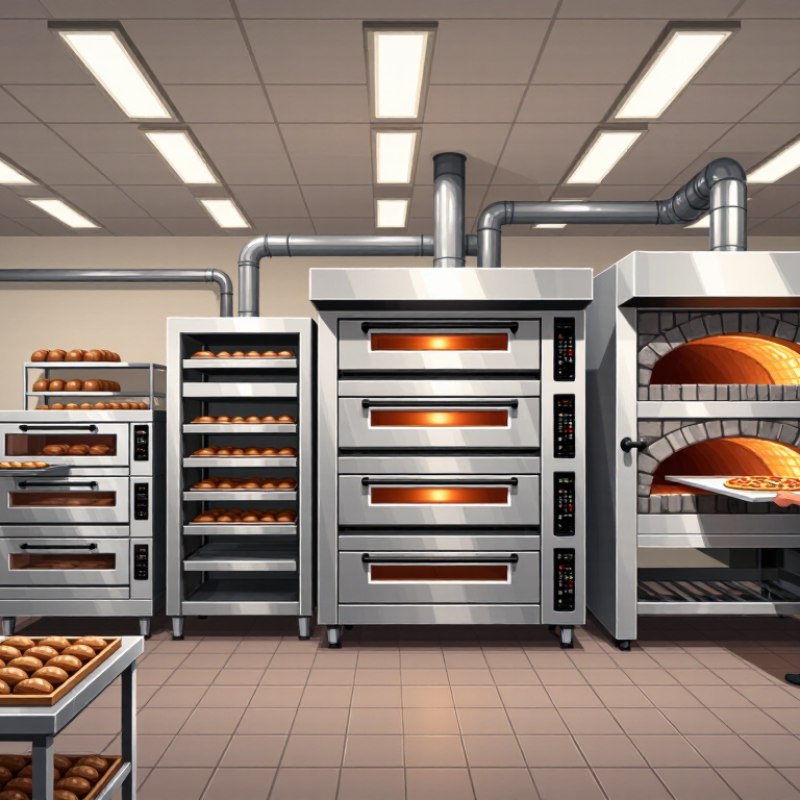
Deck ovens are commonly grouped by fuel, deck count, and baking surface. Electric models offer steady heat control and suit many indoor kitchens. Gas models can heat quickly, though ventilation and installation needs matter. Single-deck units fit smaller menus, while stacked decks increase output without using more floor space. Not every option suits every kitchen. Consider your products, daily volume, available utilities, and staff workflow before choosing.

Tips: Ask for a live bake test with your own dough or trays. Check how evenly the oven browns front to back, and how quickly it recovers between loads. Leave room for loading and cleaning. A high-capacity oven can still be the wrong fit if staff cannot work comfortably around it.


How Electric, Gas, and Wood-Fired Deck Ovens Differ

Electric, gas, and wood-fired deck ovens behave differently because they deliver and manage heat in different ways. The deck matters, too: its heated surface helps brown a pizza base or bake bread evenly. Electric models often offer steady temperature control, useful when staff need repeatable results across a busy shift. Small correction: a precise dial does not guarantee an evenly loaded oven.

Gas ovens usually recover heat quickly after the door opens, which can help during a rush. Their flame and burner layout may create warmer and cooler zones, so staff should rotate food and check the deck with a reliable thermometer. Expect to plan for ventilation and installation requirements. The details vary by kitchen.

Wood-fired ovens can produce a distinct smoky aroma and intense radiant heat. They also demand close attention. Fuel moisture, flame position, and ember buildup can change cooking conditions from one batch to the next. That variability is part of the appeal, but it takes practice and adds daily work. A beautiful flame is not a temperature reading. For a high-volume kitchen, compare labor, heat recovery, available utilities, and the consistency your menu actually needs. A few test bakes on a typical service day can reveal more than a specification sheet.

Which Features Affect Baking Performance and Operating Costs

Which Commercial Deck Oven Type Is Best in 2026?

Baking performance and running costs depend more on oven details than on the label “deck.” A stone or steel hearth affects heat transfer and crust formation, while chamber insulation and tight door seals limit heat loss. Independent deck controls help staff bake different products at once, but only if batches fit each chamber. Small details matter.

Energy use deserves close attention. The U.S. Environmental Protection Agency’s ENERGY STAR commercial-oven guidance reports that certified ovens can use up to 20% less energy than standard models. That figure is a benchmark, not a promise for every bakery: frequent door opening, long idle periods, and poor loading can erase savings. Compare measured preheat and recovery performance, standby consumption, usable deck area, and the local cost of gas or electricity. A large oven may recover quickly, yet waste energy when half-empty. I would not choose by capacity alone.

Tips: Ask suppliers for test data at realistic batch sizes, then track energy use and bake consistency during a trial. Check how quickly the hearth recovers after loading. A brief trial can reveal uneven corners, slow recovery, or controls staff find confusing.

How Deck Oven Types Suit Different Commercial Kitchens

Which Commercial Deck Oven Type Is Best in 2026?

How Deck Oven Types Suit Different Commercial Kitchens

The best deck oven depends on the food, service rhythm, and available space. A single-deck unit suits a small bakery or pizzeria with a focused menu. It offers direct access to the baking surface, but limited capacity can slow a busy rush. Stacked decks increase output without expanding the oven’s floor footprint. They work well when separate products need different temperatures. For artisan loaves and crisp-bottomed pizza, a stone or similar baking surface can provide strong heat transfer. Busy kitchens should also compare gas and electric models against their ventilation, utility connections, and temperature-control needs.

Energy deserves attention. ENERGY STAR’s commercial-kitchen guidance reports that kitchens use about 2.5 times more energy per square foot than other commercial spaces. That figure covers the kitchen overall, not deck ovens alone, so it should not be treated as an oven-efficiency rating. Still, it supports checking energy use alongside usable deck area and recovery time. Fit matters. A high-capacity oven may look efficient on paper, yet be poorly matched to a menu with uneven demand. Measure actual peak-hour batches before choosing.

Tips: Record product size, bake time, and hourly volume for a typical busy shift. Ask suppliers for model-specific energy and recovery data, then test a representative bake. Small differences matter. And the right choice may change as the menu grows.

Which Commercial Deck Oven Type Is Best in 2026? — How Deck Oven Types Suit Different Commercial Kitchens
Deck Oven Type Typical Strengths Best-Suited Kitchens Heat and Baking Characteristics Key Site Requirements Main Trade-Offs Best Choice When…
Electric Deck Oven Precise, consistent temperature control; independent control is often available for separate chambers or decks. Bakeries, cafés, restaurants, and smaller kitchens that prioritize repeatable results and do not have a suitable gas supply. Electric elements heat the chamber and deck. Many commercial models can reach high baking temperatures, but the actual range and recovery rate vary by model and load. Requires electrical capacity suitable for the oven’s rated load. Larger or multi-deck units may need a dedicated circuit and professional electrical installation. High-output models can require substantial electrical capacity. Preheating and recovery performance depend on the oven design, supply, and workload. Consistent control, straightforward operation, and the available utility supply matter more than using gas or wood.
Gas-Fired Deck Oven Direct gas-fired heating can provide strong heat output and may suit kitchens with an established commercial gas connection. High-volume bakeries, pizzerias, and food-service operations that already have suitable gas infrastructure. Burners heat the baking chamber and deck through the oven’s designed heat path. Heat distribution and recovery vary with burner layout, deck material, and operation. Needs an approved gas connection, correct ventilation, and installation that meets local fire, fuel-gas, and building requirements. Some models also require electricity for controls or fans. Installation and ventilation can be more involved. Fuel availability, local energy costs, and maintenance requirements should be checked. The kitchen has compliant gas service and needs a production oven with gas-fired heating.
Wood-Fired Deck Oven Produces distinctive wood-fired cooking characteristics and can support a visible, craft-focused cooking style. Artisan pizzerias, specialty bakeries, and restaurants where wood-fired products are central to the menu. Temperature is managed through fuel, airflow, fire placement, and heat retained by the oven mass. Cooking conditions can vary more with operator technique and fire management. Requires suitable flue or chimney arrangements, combustion-air planning, fuel storage, and compliance with local emissions, fire, and building rules. Needs trained operators, regular ash and fire management, and more space and installation planning than many electric models. Wood-fired flavor and presentation are key menu features, and the site can accommodate the required ventilation and fuel handling.
Multi-Deck Commercial Oven Multiple stacked baking chambers increase capacity within a relatively compact floor footprint; decks may offer separate temperature controls. Production bakeries, busy pizzerias, and kitchens baking several batches or products at the same time. Available with different heating systems, including electric and gas. Performance depends on the fuel type, deck construction, chamber controls, and the number of chambers in use. Confirm floor loading, equipment clearance, access for delivery, utility capacity, ventilation, and the manufacturer’s installation requirements. Higher purchase and installation costs than a small single-deck unit; stacking does not guarantee equal results across every chamber. Demand is high enough to use several chambers and the kitchen has the utilities and space for a larger installation.

Selection note: Deck ovens vary substantially by model, chamber size, deck material, and heating design. Confirm usable capacity, temperature range, utility demand, ventilation, installation clearances, and local code requirements against the specific equipment specifications before purchasing.

What to Consider When Selecting a Deck Oven in 2026

Choosing a commercial deck oven in 2026 starts with the products you bake, not the largest model you can afford. Hearth-style decks suit crisp-bottomed breads and pizzas, while models with more adjustable heat can handle varied menus. Electric ovens often offer precise control; gas models may suit kitchens with suitable connections and ventilation. Check local installation requirements before comparing prices.

Capacity matters, but so does recovery time. If staff load several trays during a morning rush, an oven that heats slowly between batches can become a bottleneck. Look at usable deck dimensions, temperature range, independent controls, and steam options. Ask suppliers for performance details using products similar to yours. A showroom demonstration is useful, but your dough, tray size, and batch rhythm may behave differently.

Measure doorways, counter space, and clearance around the oven. Include electrical or gas capacity, ventilation, cleaning access, and service support in the budget. These details are easy to overlook. They are not minor. A larger oven can waste energy when production is low, while a compact unit may limit growth. I would leave some room for changing demand, though forecasting it perfectly is unrealistic. Test likely recipes and batch sizes before making the final choice.