(770) 529-4731
esen

5 Best Hairpin Tube Benders for HVAC Buyers

A Hairpin Tube Bender can shape the tight return bends used in many HVAC coils. For buyers, the right choice is not simply the machine with the biggest capacity. Tube diameter, wall thickness, bend radius, material, and production volume all matter. A tool that handles copper well may not suit every alloy or tube size. Check the manufacturer’s stated limits, then compare them with your actual jobs.

This guide compares five options for HVAC buyers, focusing on bend consistency, setup, changeover, footprint, and support. Small details matter. A poorly matched former can leave a flattened bend, while a difficult adjustment can slow a busy line. As a clearly illustrative composite expert, HVAC tooling specialist Alex Morgan, puts it: “A reliable bend starts with matching the tooling to the tube—not forcing the tube to fit the tool.” That is a practical reminder, not a sourced quotation. It also needs a caveat: real results depend on material, settings, operator skill, and maintenance. No single bender is best for every shop. The comparisons ahead can help narrow the field, but buyers should confirm specifications and request a sample bend when possible. Even a careful shortlist can miss a shop’s quirks. Check the details before committing.
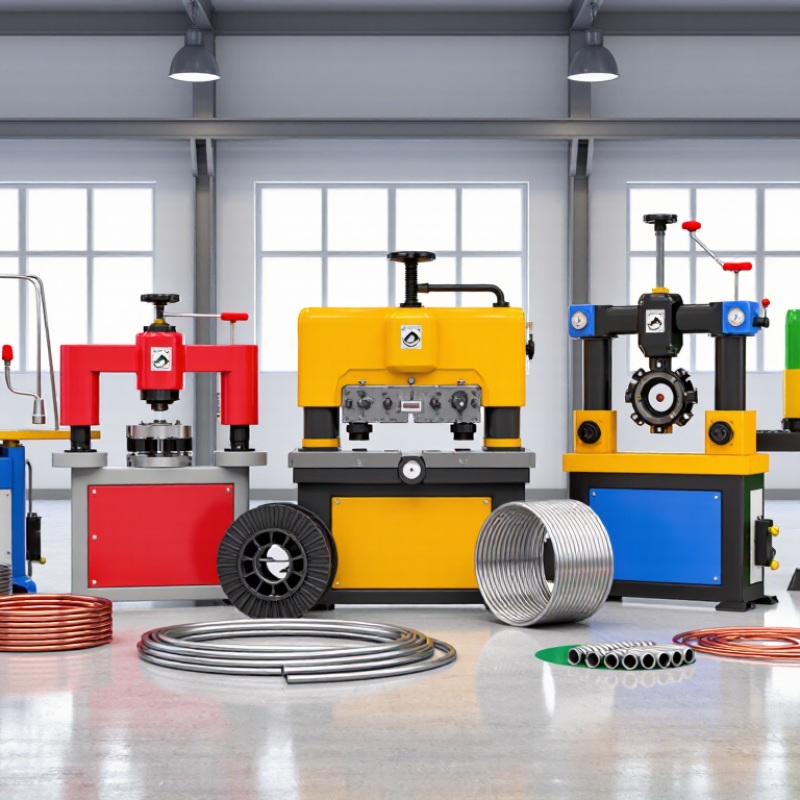
5 Best Hairpin Tube Benders for HVAC Buyers

How Hairpin Tube Benders Work in HVAC Applications

5 Best Hairpin Tube Benders for HVAC Buyers

How Hairpin Tube Benders Work in HVAC Applications

In many HVAC heat exchangers, straight tubes pass through fin packs and connect through U-shaped hairpin bends. A bender feeds each tube into a forming head, holds it against a shaped die, then turns the tube into a return bend. The result must fit the coil layout without restricting refrigerant flow. Small details matter. Bend radius, tube diameter, wall thickness, and material temper all affect the finished shape.

A tight bend can flatten the tube or create wrinkles along its inner wall. Machines control this risk through matched tooling, clamping, and, where suitable, internal support. Operators also account for springback: the tube may open slightly after forming, so trial bends help establish settings. IEA’s 2018 report, The Future of Cooling, estimates that air conditioning and fans use about 20% of electricity consumed in buildings worldwide. That makes dependable coil production important, though bending quality alone cannot guarantee system efficiency. A neat-looking bend can still hide a restriction.


Key Features to Compare Before Choosing a Bender

5 Best Hairpin Tube Benders for HVAC Buyers

Key Features to Compare Before Choosing a Bender

A hairpin bender should match the tube’s outside diameter, wall thickness, and material. Check the minimum bend radius against the coil or evaporator design. A tight radius can flatten copper or restrict refrigerant flow. Compare dies, clamp support, and angle markings, too. A clear scale helps technicians repeat bends without constant test pieces. No tool is perfect. Springback varies with tubing and operator technique.

Portability matters on service calls, while a stable bench mount suits repeat production. Look for quick die changes and a frame that holds tubing securely near the bend point. The U.S. Bureau of Labor Statistics projects 9% employment growth for heating, air-conditioning, and refrigeration mechanics and installers from 2023 to 2033, with about 42,500 openings each year. This workforce outlook makes ease of training and consistent results worth weighing, though it does not measure bender performance.

Tips: Test the bender with the exact tube type before committing. Measure the finished inside radius and inspect for wrinkles or flattening. Record settings for repeat jobs. A small mismatch can waste material. Also check whether replacement dies and calibration support are readily available.

5 Best Hairpin Tube Benders for HVAC Buyers — Key Features to Compare Before Choosing a Bender

Before comparing benders, check that each tool supports the tube outside diameters you use. These common HVAC copper tube sizes are shown in millimeters, converted from their inch measurements.

When evaluating a hairpin tube bender, verify its supported tube diameter and wall thickness, along with bend radius and repeatability. Actual tool capacity varies by model.

Five Hairpin Tube Benders for HVAC Buyers

Five Hairpin Tube Benders for HVAC Buyers

A manual lever bender suits occasional work and small batches. A ratchet model reduces hand effort on repeated bends. Both need correctly sized dies to limit flattening. Hydraulic benders handle larger tubing with steadier force, though they take more floor space. CNC rotary-draw equipment offers programmable, repeatable bends for production lines. A dedicated hairpin forming machine can shape paired legs quickly. It may be excessive for a shop with modest demand.

Match the tool to tube diameter, wall thickness, copper temper, and required bend radius. Check how easily operators can change tooling and set stops. Repeatability matters. A slightly inaccurate bend can shift the return legs and complicate coil assembly. Ask suppliers for sample bends using your actual tubing, then inspect the outside radius for wrinkles and the cross-section for flattening. Confirm setup and maintenance requirements before comparing purchase prices.

For HVAC buyers, throughput is only part of the decision. Consider operator training, available space, and the cost of scrap during changeovers. Small shops benefit. Larger teams may value programmable controls and consistent cycle times. No option is perfect: automation can save labor, but only when production volume justifies setup and service needs. I would also leave room for a practical trial; paper specifications do not always reveal how awkward a tool feels beside a busy workbench.

Matching a Bender to Tubing, Volume, and Worksite Needs

For HVAC buyers, the right hairpin tube bender starts with the tubing, not the tool’s advertised capacity. Check outside diameter, wall thickness, material, and the minimum bend radius specified for the coil. Copper and aluminum behave differently under pressure, and tight bends can flatten or wrinkle the tube. EIA’s 2018 Commercial Buildings Energy Consumption Survey reports that space heating and cooling together account for roughly 42% of commercial-building site energy use. Reliable HVAC work matters, but a bender alone cannot guarantee a leak-free system. That matters.

Match capacity to daily volume. A handheld tool can suit occasional repairs and cramped rooftop work, where carrying weight and handle clearance count. For repeated hairpin bends, a stable bench or floor-mounted bender can reduce operator fatigue and help keep bend angles consistent. Compare dies with the actual tube size, then test a short offcut before bending a full coil. Check for springback and flattening under real working conditions. The awkward detail: published capacity may not reflect your tubing’s alloy or wall thickness. A selection chart helps, but it can miss the feel of a crowded mechanical room, cold gloves, or an awkward reach.

Safe Operation and Routine Maintenance of Hairpin Tube Benders

Hairpin tube benders produce consistent U-bends only when tooling, tube support, and guarding are correctly set. Before each shift, inspect the die, clamp, mandrel, foot switch, and visible hydraulic lines. Confirm the guard is secure and the work area is clear. Keep hands outside the bending zone during operation. Stop and isolate the machine before clearing a jam or changing tooling, following its service instructions. OSHA’s machine-guarding standard, 29 CFR 1910.212, addresses hazards at points of operation and from rotating parts. Small checks matter.

Routine care helps prevent poor bends and unexpected stops. Remove metal chips, check for loose fasteners or fluid leaks, and lubricate components at the intervals specified by the equipment maker. After adjustments, bend a sample tube and inspect it for kinks, flattening, or incorrect leg spacing. BLS reported 2.4 recordable injury and illness cases per 100 full-time-equivalent workers in private industry in 2023. That broad rate is not specific to tube benders, but it underscores why consistent safeguards matter. A rushed inspection can look complete without catching a worn hose.

Tips: Keep a simple maintenance log with dates, leaks, and tooling changes. Never reach into the bending area to retrieve scrap while the machine is running. Recheck unusual noises before production resumes.