What is the Best Heavy Truck and Bus Tires for Your Needs?
When it comes to selecting HEAVY TRUCK AND BUS TIRES, the options can be overwhelming. The right tires can make a significant difference in performance, safety, and cost-efficiency. Heavy truck and bus tires are crucial for ensuring smooth operations. They carry substantial loads and impact fuel consumption. A poor choice can lead to premature wear and costly breakdowns.
Understanding the various types of heavy truck and bus tires is essential. Factors like tread design, load rating, and durability play vital roles. For instance, all-season tires might offer versatility, while dedicated long-haul tires could enhance fuel economy. However, the best choice often depends on specific operational needs.
An informed decision is necessary to balance cost and performance. Tire maintenance, including regular inspections and inflation checks, is often overlooked yet vital. Investing in high-quality heavy truck and bus tires pays off in the long run. However, every fleet manager must reflect on their unique requirements to choose wisely. The landscape continues to evolve, but some fundamental principles remain constant.
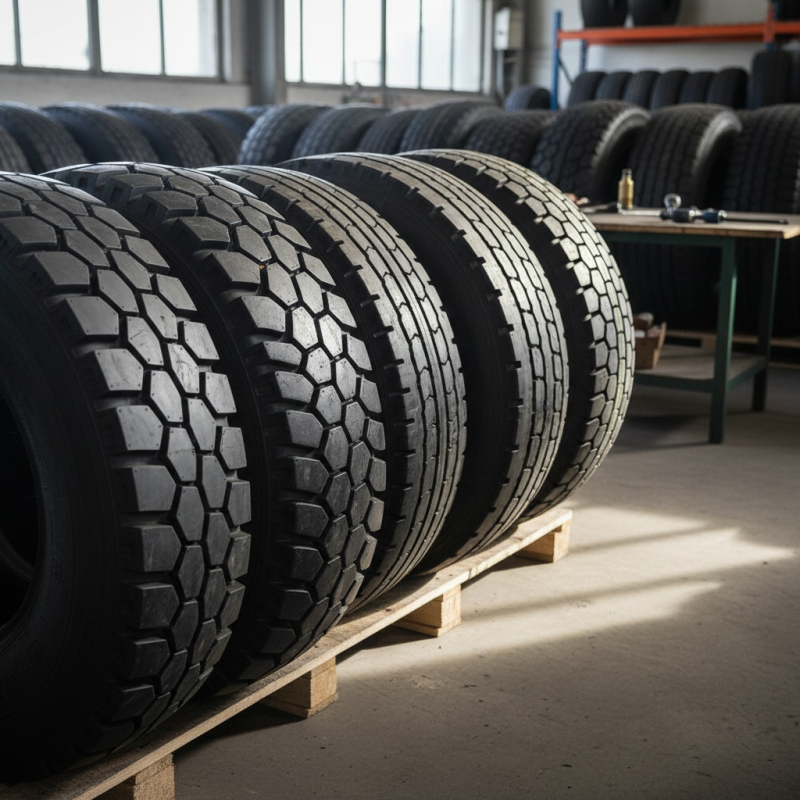
Understanding Truck and Bus Tire Basics: Types and Features
Understanding the basics of truck and bus tires is vital for making informed decisions. Selecting the right tire type can significantly impact vehicle performance, safety, and operational costs. According to a recent industry report, proper tire maintenance can enhance fuel efficiency by up to 2.5%. This small change can lead to significant savings over time, especially for fleets.
There are various tire types tailored for specific purposes. All-weather tires offer flexibility but may compromise durability under heavy loads. In contrast, long-haul tires focus on treadwear and fuel efficiency, making them ideal for extended hauls. A study indicated that unique tread patterns could improve traction by 15% on wet surfaces, crucial during adverse weather conditions.
Understanding tire features is also essential. Load capacity and tread depth are critical factors. For instance, deep treads can prevent hydroplaning, yet they may wear out faster on dry pavements. A balance between performance and longevity is often needed, and it requires careful consideration. Data shows that improperly inflated tires can reduce lifespan by 25%, highlighting the necessity for regular checks.
Evaluating Tire Performance: Load Capacity, Tread Design, and Durability
When choosing heavy truck and bus tires, evaluating performance is crucial. Load capacity is a key factor. Each tire has a specified maximum load it can carry. If a tire is overloaded, it may wear out faster or even fail. Be mindful of your vehicle's requirements.
Tread design plays a significant role in traction and handling. Different designs serve various conditions. A deep, aggressive tread helps in off-road situations. However, it may reduce fuel efficiency. Consider your driving environment carefully. It is essential to find a balance that suits your needs.
Tips: Regularly inspect your tires for signs of wear. Rotate your tires to ensure even wear. This can prolong their lifespan and improve safety. Always consult manuals for load limits. Ignoring these details can lead to costly mistakes.
What is the Best Heavy Truck and Bus Tires for Your Needs? - Evaluating Tire Performance
| Tire Type | Load Capacity (lbs) | Tread Design | Durability Rating | Application |
| All-Position Tire | 12,000 | Symmetrical | High | Regional Distribution |
| Drive Tire | 20,000 | Directional | Very High | Long-Haul Trucking |
| Steer Tire | 14,000 | Symmetrical | High | Urban Delivery |
| Trailer Tire | 16,000 | Flat | Medium | Intermodal Freight |
| Mud and Snow Tire | 10,000 | Aggressive | Medium | Off-Road |
Choosing the Right Tire for Specific Conditions: Terrain and Climate
Selecting the right tires for heavy trucks and buses is crucial for safety and performance. When considering tires, pay close attention to the terrain and climate in which they will be used. A study by the Tire Industry Association showed that improper tire selection leads to a 30% increase in maintenance costs and a 25% higher failure rate. This highlights the impact of tire choices on operational efficiency.
In snowy or icy conditions, tires with deeper treads can provide better traction. Research indicates that tires designed for winter conditions can reduce stopping distance by up to 40%. On the other hand, all-terrain tires can excel in diverse environments. They often come with reinforced sidewalls, which enhance durability on rough roads. Proper tread patterns are essential for managing both wet and dry conditions, as they directly affect grip and handling.
It's essential to also consider load capacity. Overloading tires can lead to blowouts and increased wear. Data from the American Trucking Association suggests that almost 15% of tires are undersized for the loads they carry. This adds to the risk and ultimately impacts the bottom line. Balance between load requirements and tire specifications is critical to ensure safety and cost-effectiveness.
Comparing Leading Brands: Key Players in Heavy Truck and Bus Tires
When selecting tires for heavy trucks and buses, understanding the leading brands is essential. These brands dominate the market due to their commitment to quality and performance. According to industry reports, around 40% of fleet operators prioritize tire longevity, with some brands achieving over 120,000 miles. This remarkable durability can considerably reduce the total cost of ownership.
Another critical factor is traction, especially in adverse weather conditions. Reports indicate that tires designed for winter conditions improve vehicle safety by 30%. However, not all brands perform equally. Testing reveals that certain brands underperform in wet conditions while others excel, leading to different choices for specific applications.
In addition to performance metrics, fuel efficiency impacts long-term costs. Studies show that low rolling resistance tires can enhance fuel efficiency by up to 10%. Yet, some brands sacrifice grip for reduced rolling resistance. This trade-off can lead to safety issues, requiring careful consideration. Fleet managers must balance these features against their unique operational needs to make informed decisions.
What is the Best Heavy Truck and Bus Tires for Your Needs?
Maintenance Tips for Maximizing Tire Lifespan and Efficiency
Maintaining heavy truck and bus tires is crucial for performance and safety. Regular inspections should become a routine part of fleet management. Checking tire pressure is essential; underinflated tires can lead to increased wear and poor fuel efficiency. Aim to check pressure weekly or before long trips.
Tread depth is another vital aspect. Tires with insufficient tread can compromise grip, especially in adverse conditions. Use a tread depth gauge regularly and replace tires when they reach the wear indicators. Additionally, consider rotating the tires regularly to ensure even wear. This can prolong the lifespan of the tires and improve handling.
Cleaning the tires is often overlooked. Dirt and debris can accumulate and lead to damage. A simple wash after muddy or rough routes can help maintain tire integrity. Investing time in maintenance can save money in the long run. Evaluate your tire maintenance routine often. There’s always room for improvement.