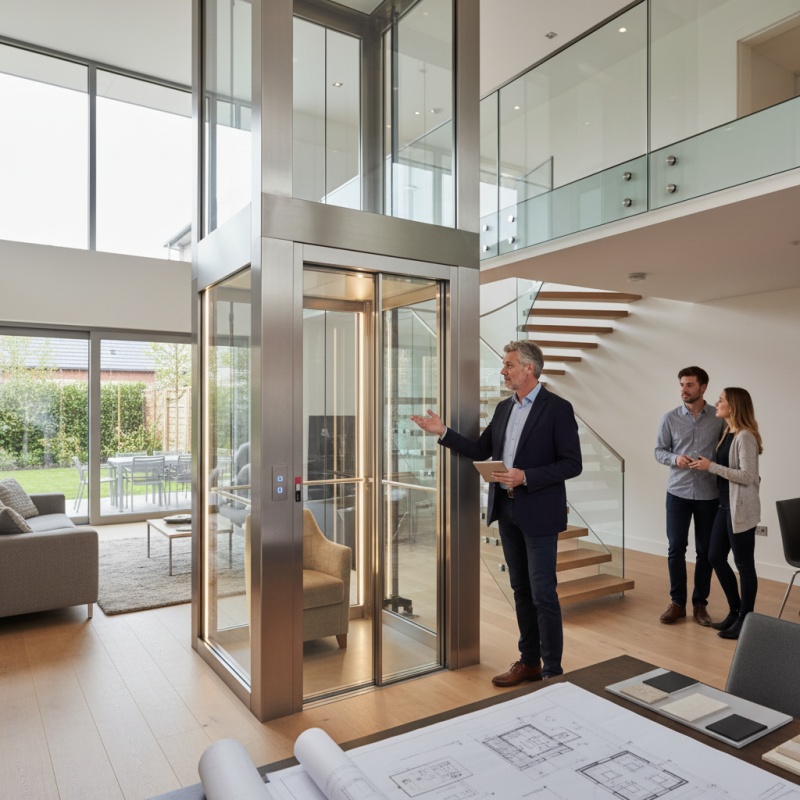
China Best Home Elevators What to Consider Before Buying?
When considering a Home Elevator, several factors come into play. Tom Richardson, a renowned expert in the home elevator industry, states, “A well-chosen elevator can change a home’s functionality and style.” Choosing the right home elevator involves understanding your specific needs.
The design, size, and installation requirements can become overwhelming. You might find different styles, like traditional or modern, which can affect your decision. Elevators can range greatly in price. Sometimes, a higher cost comes with better quality and features.
However, not every home is suitable for an elevator. Space constraints and building codes may limit your options. You need to reflect on the long-term value of the investment. Is a home elevator truly necessary, or simply a luxury? Making the right choice requires careful thought and research.
Types of Home Elevators Available in China
When considering home elevators in China, understanding the types available is crucial. Generally, there are two main types: hydraulic and traction elevators. Hydraulic elevators use a fluid-driven pistons for movement, making them suitable for low-rise buildings. They are typically easier to install but may require more maintenance due to their complex systems. Recent industry reports suggest that hydraulic elevators account for about 40% of the home elevator market in China.
On the other hand, traction elevators are gaining popularity. They use ropes and pulleys, offering greater energy efficiency and speed. According to a market survey, traction systems are favored for mid to high-rise homes, comprising approximately 60% of the market share now. They tend to be quieter and smoother but require a machine room, which could impact design considerations.
Location and space are other essential factors. Many buyers overlook the dimensions of their home or the available shaft space. Some homes may not accommodate the necessary installations. Furthermore, safety features should never be compromised. It's essential to weigh the pros and cons, particularly regarding noise levels and energy usage. Understanding these details ensures a more informed decision when investing in a home elevator.
Key Features to Consider When Choosing a Home Elevator
When choosing a home elevator, several key features stand out. Space is a primary concern. Some elevators require substantial room, while others are compact. Consider your home layout carefully. You might find a solution that fits your needs without overwhelming your space.
Next, think about the design. Elevators come in various styles. You may prefer something modern or a more traditional look. Ensure it matches the aesthetic of your home. This choice can significantly impact the overall feel of your living environment.
Safety features are non-negotiable. Look for automatic doors and emergency stop buttons. These aspects enhance safety for all users. You might feel safe, but it's good to reflect on the unexpected. Moreover, maintenance is essential. Regular checks can prevent issues, yet many homeowners overlook this. It's a factor worth considering for long-term use.
China Best Home Elevators - Key Features to Consider When Choosing a Home Elevator
| Feature | Description | Considerations |
| Capacity | Maximum weight the elevator can carry. | Choose based on typical loads, including multiple passengers or heavy items. |
| Space Requirements | The amount of space needed for installation. | Ensure the elevator fits within your current layout, considering both shaft and machine room. |
| Safety Features | Includes emergency brakes, door sensors, and backup power. | Look for model certifications and safety ratings. |
| Power Source | Electric or hydraulic systems available. | Consider energy efficiency and installation requirements. |
| Design Options | Variety of styles and finishes available. | Match the elevator’s aesthetic to your home decor. |
| Installation Time | Duration for complete installation process. | Consider if you need the elevator installed quickly for accessibility. |
| Maintenance Requirements | Periodic check-ups and servicing needed. | Factor in ongoing costs for maintenance and inspections. |
Factors Influencing the Cost of Home Elevators in China
When considering the cost of home elevators in China, several factors play a crucial role. The average price of residential elevators typically ranges from 50,000 to 150,000 RMB. This price variance is influenced by design, materials, and technology. For instance, a basic model may offer simple functionality at the lower end of this spectrum, while advanced models, which include smart technology and energy-efficient features, will be priced higher.
Installation costs are another significant aspect. According to industry reports, installation can add an additional 20% to 30% to the overall expense. Factors such as building structure and site accessibility can complicate the installation process, leading to higher costs. A study indicated that approximately 30% of homeowners underestimate these expenses, potentially resulting in budget overruns.
Maintenance is often overlooked. Ongoing maintenance can cost around 5% of the initial purchase price annually. Many do not account for this in their initial budgeting. Additionally, the choice of features impacts long-term costs. More luxurious options may enhance the user experience but will require more frequent maintenance and updates. Balancing immediate needs and future expenses requires careful thought.
Factors Influencing the Cost of Home Elevators in China
Safety Standards and Regulations for Home Elevators
When considering a home elevator, safety should be your top priority. Ensuring that your elevator meets established safety standards is crucial. Different regions in China have specific regulations for home elevators. These include guidelines on construction, installation, and operation. Familiarizing yourself with these requirements will help you avoid future issues.
Once you understand the regulations, focus on safety features. Look for automatic emergency brakes, reliable door sensors, and an emergency power backup. These elements can greatly enhance user safety. However, remember that even the best features can't replace regular maintenance. Neglecting this can lead to accidents or malfunctions.
Consider the installation process, too. Poor installation can undermine all safety standards. Engaging a qualified technician is essential. They can ensure that the elevator is installed correctly and safely. It’s worth reflecting on these aspects before making a decision. Always prioritize safety over aesthetics or cost.
Maintenance and Support Services for Home Elevators
When considering home elevators, maintenance and support are crucial. Regular servicing is essential for safe operation. Check if your provider offers a maintenance plan. Proactive care can prevent costly repairs later. A simple service can increase the longevity of your elevator.
Support services should be readily available. Ask about response times for repairs. Emergencies can happen anytime. A reliable provider ensures quick assistance. The ease of getting help can ease the stress of a malfunction. You want peace of mind, knowing help is just a call away.
Look into the training and qualifications of service technicians. Not all are created equal. An experienced technician can diagnose issues effectively. This can save time and minimize disruptions. Sometimes, it’s worth questioning if your current support is enough for your needs. Investing in quality maintenance can make a significant difference. A small oversight in service may lead to bigger issues.