7 Best Electric Oil Immersed Transformers for Buyers?
Choosing an Electric Transformer Oil-Immersed Transformer is a long-term equipment decision, not a simple price comparison. Buyers must match rated capacity, primary and secondary voltage, frequency, and installation conditions to the actual electrical system. A unit that looks suitable on paper may still be a poor fit if its impedance, cooling method, or enclosure conflicts with site requirements. Small details matter.
This guide examines seven options through practical buying criteria: efficiency data, construction quality, cooling performance, maintenance access, warranty terms, and supplier support. It also considers the realities of installation, such as transport clearance, foundation space, ventilation, and measures for containing oil. Ask manufacturers for current technical datasheets and test documentation, then have a qualified electrical professional verify that each model fits the intended application and applicable local requirements. Ratings alone do not tell the whole story. A lower purchase price can be offset by operating costs, difficult servicing, or limited parts availability. Conversely, a premium specification is not automatically worthwhile for every site. The comparisons below are a starting point, not a substitute for a project-specific review. Some choices may look less impressive once installation and maintenance needs are considered. That deserves a second look.
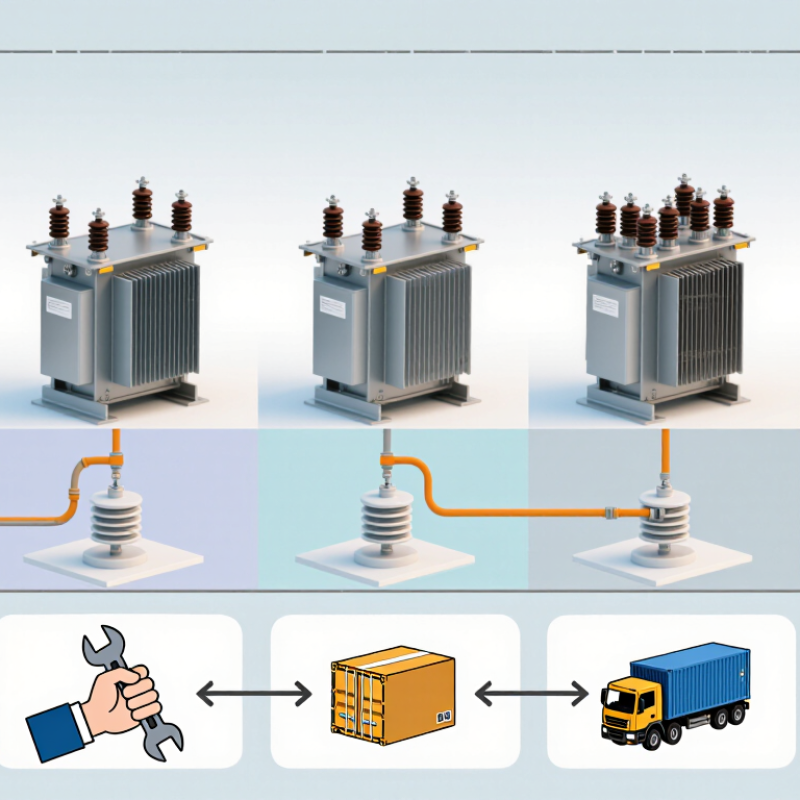
How Electric Oil-Immersed Transformers Work
An oil-immersed transformer moves electrical energy between circuits through electromagnetic induction. Inside its steel tank, alternating current in the primary winding creates a changing magnetic field in the laminated core. That field induces voltage in the secondary winding. The windings and core sit beneath insulating fluid, which helps prevent electrical breakdown and carries heat away.
As the transformer warms, heated oil rises toward cooling surfaces, while cooler oil sinks and circulates. Larger units may use radiators, fans, or pumps to move heat away faster. A conservator tank can accommodate changes in oil volume as temperatures shift. Some designs also include a gas-and-oil relay that detects certain internal faults. Details vary by transformer size and construction.
There is a catch. Oil does not make a unit maintenance-free. Moisture, oxidation, or a leak can weaken insulation and reduce cooling performance. Technicians may inspect seals, oil levels, temperature indicators, and protective devices, then test oil samples for condition. A quiet hum is normal; unusual noise, rising temperature, or visible seepage deserves attention. Field conditions matter, and a reading alone rarely tells the whole story.
Main Components and Cooling Methods
An oil-immersed transformer relies on several parts working together. The magnetic core guides flux, while copper or aluminum windings transfer electrical energy. Insulating oil fills the tank, separates energized components, and carries heat toward the tank walls or radiators. Bushings provide insulated connections through the tank; a tap changer adjusts the turns ratio when voltage conditions require it. The label alone is not enough. Buyers should check the nameplate, specified accessories, and maintenance records, since designs vary by rating and installation. A conservator may allow oil expansion, while a pressure-relief device helps limit tank pressure during a fault.
Cooling arrangements affect capacity and upkeep. In ONAN cooling, oil circulates naturally and heat leaves through radiators; there are no fans. ONAF adds fans to move air across the radiator surfaces, supporting higher loads when needed. Some larger units use pumps to circulate oil, but extra equipment means more inspection points. Look for clear airflow around radiators and listen for unusual fan or pump noise during operation. Small details matter. Oil temperature indicators, winding temperature devices, and leak checks can reveal developing problems, though readings need context. A warm radiator is normal under load; uneven heating may deserve investigation. Cooling performance also depends on ambient temperature, load profile, and installation clearance, so a simple comparison of cooling codes can miss important conditions.
Common Types and Their Applications
Oil-immersed transformers suit different loads, sites, and operating conditions. Sealed distribution units commonly serve factories, commercial buildings, and local networks, stepping medium voltage down for everyday use. Conservator-type transformers use an expansion tank above the main tank, making them common in larger substations where oil volume and thermal changes matter. Pad-mounted units place equipment in a locked, ground-level enclosure, often near buildings or in underground distribution networks. Power transformers handle higher voltages and larger loads at transmission substations. Each type has trade-offs.
The International Energy Agency’s 2023 report, Electricity Grids and Secure Energy Transitions, says annual grid investment needs to exceed $600 billion by 2030. It also estimates that 80 million kilometres of grids must be added or refurbished by 2040. That growing workload makes fit-for-site selection important. Check load profile, ambient temperature, installation space, cooling method, and maintenance access—not just rated capacity. A unit can look right on paper and still be awkward to service.
Tips: Ask for routine and peak-load data before choosing. Confirm oil containment and clearances with qualified engineers. Small detail, big impact. Also compare noise and loss figures; the lowest purchase price may not mean the lowest lifetime cost.
7 Common Oil-Immersed Transformer Types and Example Ratings
Representative nameplate ratings illustrate the scale of common applications. Ratings are examples, not fixed limits; actual specifications vary by project and manufacturer.
Pole-mounted, pad-mounted, sealed, and conservator-type units are commonly used in distribution networks. Larger power, furnace, and rectifier transformers serve substations and industrial processes. The logarithmic scale makes ratings across different size ranges easier to compare.
How Buyers Can Compare Transformer Specifications
When comparing electric oil-immersed transformers, start with the load they must serve, not the largest capacity on a sales sheet. Check rated kVA against measured demand, expected growth, and motor-starting loads. A unit that looks generous on paper may operate inefficiently when lightly loaded. Small details matter.
Compare primary and secondary voltages, frequency, phase, and tap range with the site’s supply and equipment. Review impedance too: it affects voltage drop and available fault current. Ask for guaranteed no-load and load losses, then compare them against expected operating hours. Lower purchase cost does not always mean lower lifetime cost. Confirm the stated values use comparable test conditions.
Temperature rise, cooling method, insulation level, and permitted ambient conditions help show whether a transformer suits its location. Check the tank dimensions, oil volume, and clearances against the installation space. Request the applicable test reports and clarify what accessories are included, such as temperature indicators or pressure-relief devices. A specification sheet can still leave gaps. I would flag unclear cooling assumptions or missing loss data before comparing prices; that extra check can feel tedious, but it prevents guesswork.
Seven Oil-Immersed Transformer Options for Buyers
Buyers comparing seven oil-immersed transformer options should start with the load, site, and network voltage—not the catalogue photograph. The IEA’s 2023 Electricity Grids and Secure Energy Transitions report says annual grid investment needs to rise from roughly US$300 billion to more than US$600 billion by 2030. That pressure makes capacity, delivery schedules, and future expansion practical buying concerns. Procurement still varies by region.
The seven options serve different jobs: single-phase pole-mounted units for modest rural loads; three-phase pole-mounted units for larger overhead networks; pad-mounted units for accessible underground distribution; substation power transformers for bulk voltage conversion; generator step-up units for power-station connections; autotransformers for closely spaced voltage levels; and tap-changing units where voltage varies with demand. Some categories overlap. A pad-mounted unit, for example, may also use tap settings selected for its feeder.
Check rated power, primary and secondary voltage, impedance, cooling method, insulation-fluid specification, and tap range against the actual site design. Ask for routine and type-test documentation, acoustic data, losses, and guaranteed temperature-rise limits. The U.S. Department of Energy’s transformer supply-chain reviews also flag long procurement timelines; confirm current lead times directly, since they change with specification and market conditions. A spreadsheet cannot capture every site constraint. Leave room for future load growth, but avoid paying for capacity that the protection scheme or civil works cannot support.