What is the Best Quality PE Pipe for Global Procurement?
In today's global market, the demand for high-quality Pe Pipes is ever-increasing. According to Dr. Lisa Raymond, a leading expert in plastic engineering, "The future of infrastructure relies heavily on the quality of materials we choose, especially PE pipes." This highlights the vital role PE pipes play in various sectors, including water supply, gas distribution, and telecommunications.
Quality assurance in PE pipes is crucial. Many suppliers promise durability and efficiency, but not all deliver. A thorough understanding of the production standards and material specifications is essential for procurement professionals. Companies must recognize that not every PE pipe is created equal. Visibility into the manufacturing process can uncover potential weaknesses in product performance.
Furthermore, sourcing PE pipes requires careful evaluation of suppliers. It's challenging to balance cost with quality. Procurement teams often face pressure to reduce expenses. Yet, compromising on quality can lead to greater long-term costs. This ongoing dilemma underscores the need for informed decision-making in the procurement of PE pipes.
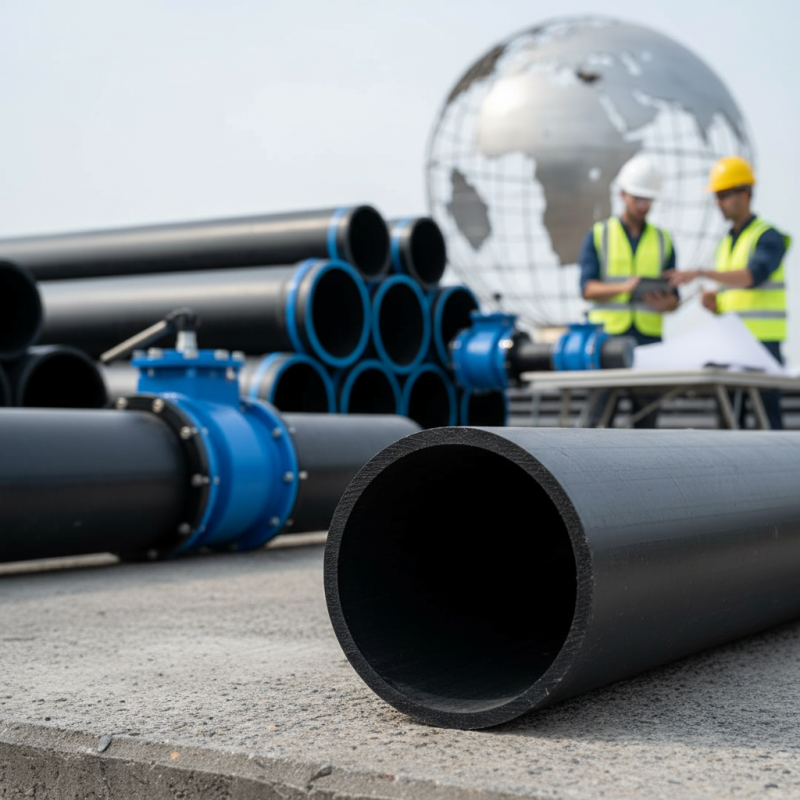
Best Quality PE Pipe Overview: Key Properties and Applications
When discussing the best quality PE pipes, understanding their key properties and applications is crucial. Polyethylene pipes stand out for their durability and resistance to corrosion. These pipes are lightweight, making them easy to handle and install. They can withstand high pressure, which is essential in various applications.
In agriculture, PE pipes are widely used for irrigation. Their flexibility allows for easy installation in uneven terrains. Furthermore, they are resistant to chemicals, which ensures safety in transporting liquids.
In the construction industry, these pipes often serve as conduits for water supply. Their longevity means low maintenance costs, a critical concern for project managers.
Despite their many advantages, there are challenges in sourcing the best quality PE pipes. Some products exhibit variable quality due to manufacturing inconsistencies. It's essential to evaluate suppliers carefully to ensure reliability. Quality control is vital in this industry, as poor pipes can lead to project delays and increased costs. Reflecting on these aspects can help in making informed procurement decisions.
Global Market Trends in PE Pipe Procurement and Supply Chain Dynamics
The global market for polyethylene (PE) pipes is evolving rapidly. Understanding the latest trends is crucial for successful procurement strategies. Recent data indicate a growing demand for high-quality PE pipes across various regions. This demand is driven by infrastructure projects and increasing water management needs. As industries expand, so does the reliance on quality materials.
Tips: Evaluate suppliers based on their production capabilities. Quality control systems and certifications are vital. Look for reliable sources with a track record of delivering durable PE pipes to avoid future complications.
Supply chain dynamics are also changing. Delays in transportation and fluctuations in raw material prices pose challenges. Feasible logistics plans are essential for timely deliveries. Companies must adapt by seeking local suppliers who can respond quickly to demand.
Tips:
- Diversify your supplier base to mitigate risks.
- Establish contracts that allow flexibility in delivery schedules.
- Consider investing in local partnerships for streamlined operations.
- Regularly assess your supply chain to pinpoint areas for improvement.
Comparative Analysis of High-Density vs. Low-Density PE Pipes for Quality
When considering the best quality PE pipes for global procurement, a comparative analysis of high-density polyethylene (HDPE) and low-density polyethylene (LDPE) is essential. HDPE is known for its strength and durability. It withstands high pressures and is resistant to impacts. This makes it suitable for heavy-duty applications like water supply and industrial use.
On the other hand, LDPE is more flexible and has a lower density. It is often used for applications requiring light materials. However, its lower strength can be a limitation in high-pressure scenarios. When selecting between the two, think about the specific requirements of your project.
**Tip:** Consider the environment where the pipes will be installed. HDPE is preferred for harsh conditions, while LDPE works well in less demanding situations.
Quality isn’t just about the material; it's also about the manufacturing process. Misalignments during production can lead to weaknesses in the pipe. This cannot be overlooked. Be sure to verify production standards to ensure reliability.
**Tip:** Look for certifications and quality assurance for manufacturing processes. These can indicate a commitment to excellence.
Evaluating the right type of PE pipe is crucial. Understanding the differences between HDPE and LDPE empowers procurement decisions. Each type serves unique needs. Be prepared to reassess priorities as project demands evolve.
What is the Best Quality PE Pipe for Global Procurement? - Comparative Analysis of High-Density vs. Low-Density PE Pipes for Quality
| Property | High-Density PE Pipe | Low-Density PE Pipe |
| Density (g/cm³) | 0.94 - 0.97 | 0.92 - 0.94 |
| Tensile Strength (MPa) | 25 - 40 | 20 - 30 |
| Temperature Resistance (°C) | -40 to 60 | -20 to 50 |
| Flexibility | Moderate | High |
| Applications | Gas and Water Supply | Agricultural and Irrigation Systems |
| Lifespan (Years) | 50+ | 20 - 30 |
| Cost (per meter) | $1.50 - $3.00 | $0.80 - $1.50 |
Industry Standards for PE Pipes: ISO 4427 and ASTM D3035 Compliance
PE pipes are crucial in various industries, primarily for water supply and gas distribution. Industry standards like ISO 4427 and ASTM D3035 ensure these pipes meet necessary quality and safety benchmarks. ISO 4427 focuses on polyethylene pipes used for aqueducts and drainage. It emphasizes material properties, including tensile strength, impact resistance, and durability. Compliance with this standard guarantees long-lasting and reliable performance.
ASTM D3035 governs the design and installation of thermoplastic pipes. It categorizes PE pipes by their pressure ratings and appropriate dimensions. This standard assists manufacturers in maintaining consistency and quality across products. Studies indicate that compliance with these standards leads to a significant decrease in pipe failure rates, promoting a safer infrastructure.
Tip: Always verify the compliance of the pipes you are considering with established standards. Look for certificates or testing reports from reputable labs.
It’s essential to reflect on the manufacturing process as well. While standards provide guidelines, not all producers may adhere strictly to them. This inconsistency can lead to project delays or failures. Consider sourcing from manufacturers with a proven track record and robust quality control systems. This approach mitigates risks associated with non-compliance.
Comparison of PE Pipe Compliance with ISO 4427 and ASTM D3035 Standards
Cost-Benefit Analysis: Investing in Quality PE Pipes for Long-term Value
In the global procurement of polyethylene (PE) pipes, quality is crucial. Investing in high-quality PE pipes often means better durability and longevity. These pipes withstand harsh environmental conditions. While the initial investment may be higher, the long-term savings are substantial. Frequent replacements are costly, not just in money but also in time and resources.
A cost-benefit analysis reveals some surprising insights. Quality PE pipes reduce maintenance needs significantly. This means fewer interruptions for repairs or replacements. However, some procurement specialists may hesitate. They focus on upfront costs, forgetting future expenses. Short-term savings can lead to greater losses later.
Additionally, inferior quality pipes may soon require substitutions. This creates a ripple effect in project timelines and budgets. Choosing high-quality PE pipes can minimize risks. Over time, the investment proves wise, resulting in reliability and peace of mind. Reflecting on procurement decisions can foster a deeper understanding of long-term value.