Choosing the right rotary screw compressor can affect production uptime, energy costs, and maintenance planning for years. Global buyers must look beyond purchase price. A machine that performs well in a cool workshop may struggle in a dusty factory or humid coastal plant.
This guide reviews seven strong compressor options for different industrial needs. It considers air delivery, motor efficiency, pressure stability, noise levels, controller functions, and service access. A 75 kW model rated at 8 bar may suit general manufacturing, while food packaging or electronics production may require cleaner air and a compatible dryer. Voltage, frequency, ambient temperature, and local technician support also deserve careful attention.
Small details matter. Check the oil separator design, inlet filter, belt or coupling system, and replacement filter prices. Ask whether the supplier provides clear manuals, genuine parts, commissioning support, and a realistic warranty. These points often matter more than impressive catalogue claims.
No single compressor is best for every country or factory. That is the difficult part. Energy tariffs, operating hours, climate, and import service networks can change the final decision. Some published efficiency figures may also reflect controlled test conditions rather than daily plant operation. Buyers should request verified performance data and compare lifecycle costs, not only horsepower.
The following selection offers a practical starting point for global purchasing teams. It aims to balance proven engineering, dependable support, and real-world operating value. Mistakes are still possible, especially when demand forecasts are too optimistic. A careful site assessment remains essential before signing an order.
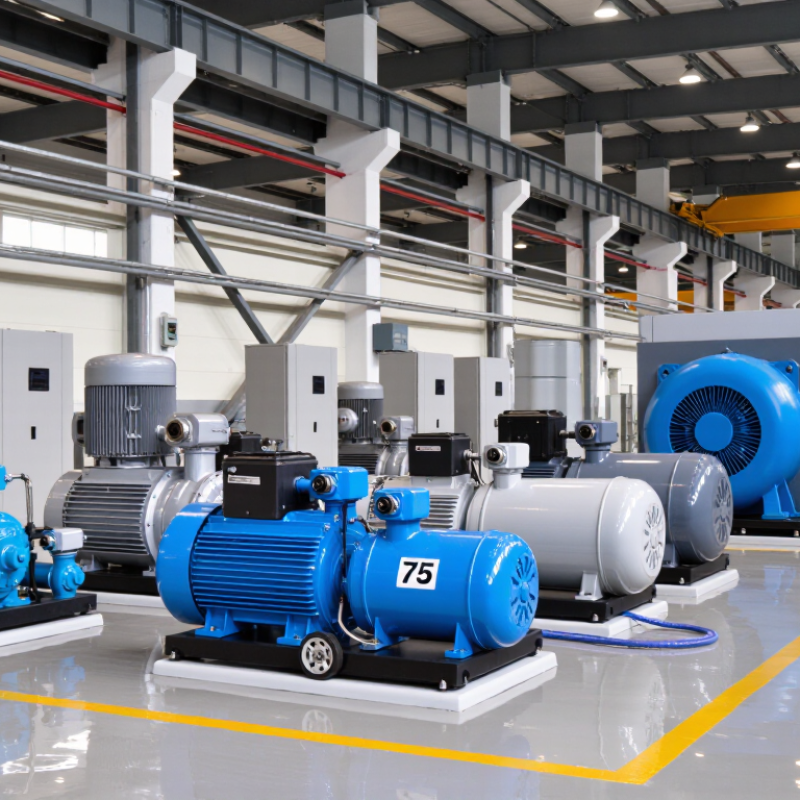
Rotary screw compressors are often judged by price and flow rate, but their internal design matters more. Oil-injected models circulate lubricant through the compression chamber. This oil reduces heat, seals clearances, and protects rotating parts. The result is efficient, stable operation for workshops, factories, and continuous production lines.
The air then passes through a separator and filtration system. Residual oil remains possible, especially when maintenance is delayed. That detail matters. Buyers should check the required air purity, ISO classification, separator life, and filter replacement schedule.
Oil-free models keep lubricant away from the compression chamber. Their gears, bearings, or drive systems may still use oil outside the air path. Therefore, “oil-free” does not mean maintenance-free.
In my experience, operating conditions often change the buying decision. A food, pharmaceutical, or electronics facility may need certified clean air and strict contamination control. A general manufacturing plant may value lower energy use and simpler servicing instead. Oil-free units can also demand closer control of cooling, water quality, and ambient temperature. Oil-injected units may tolerate harsher conditions, but they need careful oil management.
Do not size a compressor from peak demand alone. Measure pressure patterns, leakage, shift schedules, altitude, and seasonal heat. A system that looks efficient in a brochure may perform poorly in a dusty room. I still find this mistake common. Check local voltage, technician training, spare-part access, and warranty terms before comparing seven shortlisted machines. Manufacturer data helps, but site measurements remain more trustworthy.
ISO 1217 gives buyers a practical framework for comparing rotary screw compressors. It defines how acceptance tests measure airflow, power input, and performance. The standard reduces confusion between factory claims and real operating results.
Airflow is commonly reported as free air delivery, or FAD. Testing references defined inlet conditions, discharge pressure, temperature, and humidity. A compressor delivering 10 m³/min at one pressure may deliver less at another. Check the test pressure carefully. Small differences matter.
Specific power shows how much electrical power produces each unit of compressed air. It is usually expressed as kW per m³/min. Lower values generally indicate better efficiency. However, the figure must include the complete package when possible. Motor, controller, cooling fan, and dryer power can change the result.
ISO 1217 also helps assess compressor efficiency through controlled measurement. Qualified laboratories record pressure, temperature, flow, and electrical input. Buyers should request the test class and stated tolerances. Otherwise, two impressive datasheets may not describe equal conditions.
Field experience adds another lesson. A clean test room is not a dusty workshop. Blocked filters, hot intake air, and pressure drops can increase energy use. I have seen an apparently efficient system perform poorly after installation. That result deserves investigation, not excuses.
The standard is useful, but it is not magic. Selectors should compare identical pressures, flow units, reference conditions, and measurement boundaries. An honest comparison may reveal that the cheapest purchase costs more over years of operation.
Choosing a rotary screw compressor starts with pressure, not advertising. At 5–7 bar, a compact belt-driven oil-injected model often suits workshops and light assembly. Its smaller motor reduces purchase cost, but belt wear requires regular inspection. The direct-drive fixed-speed model is stronger for steady production. It usually delivers reliable airflow, although it may waste energy during low-demand periods.
At 8–10 bar, a variable-speed model becomes more attractive. It adjusts motor output when tools cycle on and off. This can reduce electricity use in facilities with uneven demand. A two-stage screw model handles higher pressure efficiently, especially near 13 bar. However, its controls and maintenance are more demanding. A compact tank-mounted unit saves floor space. That advantage matters in crowded service rooms, but its receiver may be too small for sudden air bursts.
The seventh option is an oil-free screw compressor. It fits food, pharmaceutical, and electronics applications requiring cleaner air. Purchase and servicing costs can be higher. Buyers should compare air purity, noise, cooling method, and local spare-part access. Climate also matters; hot, dusty sites need effective filtration and cooling. I would request performance data at the intended pressure, not only the advertised maximum. Small differences in airflow can change production speed. Specifications are useful, but field conditions often disagree.
A rotary screw compressor is not automatically suitable for sensitive production. Air purity depends on the complete system, including intake conditions, lubricant control, dryers, filters, piping, and point-of-use treatment. ISO 8573-1:2010 classifies compressed air by particles, water, and oil. Class 1 oil allows no more than 0.01 mg/m³, while Class 2 allows 0.1 mg/m³. Class 0 is not a universal purity level; the user must define stricter limits and validate them.
This matters in pharmaceutical filling, medical devices, food packaging, and electronics assembly. A clean-looking stainless-steel pipe proves little. Oil vapor can pass through a poorly selected filter, while a cold pipe may create water downstream. The U.S. Department of Energy’s Improving Compressed Air System Performance report states that compressed air may consume 10% or more of industrial electricity. Excessive filtration can also increase pressure loss and energy costs. That trade-off is often underestimated.
Global buyers should request ISO 8573-1 test results at the outlet, not only compressor specifications. Sampling should cover particles, pressure dew point, and total oil under operating conditions. A risk assessment must match the air class to the process, not the sales brochure. I would also question single-point testing. One clean sample can hide contamination after maintenance, seasonal humidity, or aging seals. Continuous monitoring is more convincing, although it raises purchase and calibration costs. Sometimes, the cheapest system becomes the least reliable choice.
| Rank | Rotary Screw Compressor Type | Typical Motor Range | Typical Working Pressure | Typical Free Air Delivery | Air Purity Route | Realistic ISO 8573-1 Target | Best Fit for Sensitive Industries | Important Buyer Checks |
|---|---|---|---|---|---|---|---|---|
| 1 | Oil-Free Dry-Screw Compressor | 30–450 kW | 7–10 bar(g) | 3–75 m³/min | Oil-free compression chamber; refrigerated or desiccant dryer; sterile final filtration where required. | Class 1–2 Class 0 only when specifically validated |
Pharmaceutical processing, food contact air, electronics, laboratories and medical production. | Confirm oil carryover testing, internal coating materials, cooling-water quality, sound level and full-load efficiency. |
| 2 | Oil-Free Water-Injected Screw Compressor | 15–110 kW | 7–10 bar(g) | 2.5–12.5 m³/min | Water-lubricated compression; high-efficiency water separation; downstream dryer and particulate filtration. | Class 1–3 Class 0 requires application-specific proof |
Clean manufacturing, textile air, packaging and applications requiring low oil risk at moderate capacity. | Check water treatment, freeze protection, corrosion control, condensate disposal and operating temperature limits. |
| 3 | Variable-Speed Oil-Injected Screw Compressor | 5.5–250 kW | 7–13 bar(g) | 0.5–42 m³/min | Oil-injected compression with separator vessel, coalescing filters, activated-carbon filtration and dryer. | Class 1–4 Depending on filtration and validation |
General process air, flexible production lines, workshops and facilities with varying demand. | Review turndown range, minimum operating speed, specific energy, filter pressure drop and oil-filter replacement intervals. |
| 4 | Fixed-Speed Oil-Injected Screw Compressor | 5.5–315 kW | 7–13 bar(g) | 0.5–55 m³/min | Oil separation, particulate and coalescing filters, plus refrigerated or desiccant drying. | Class 3–4 Class 1–2 needs advanced treatment |
Stable, high-duty-cycle demand in manufacturing, fabrication and plant utility systems. | Use a correctly sized receiver and sequencing controls; avoid long unloaded running and verify lifecycle energy cost. |
| 5 | Two-Stage Oil-Injected Screw Compressor | 18.5–355 kW | 15–30 bar(g) | 2–30 m³/min | Two compression stages with interstage cooling; high-pressure separator and final treatment package. | Class 3–4 Subject to filtration and pressure rating |
PET blowing, high-pressure testing, industrial instrumentation and specialized process equipment. | Check discharge temperature, pressure-vessel certification, relief valves, condensate management and high-pressure dryer compatibility. |
| 6 | Compact Belt-Driven Rotary Screw Compressor | 2.2–22 kW | 7–10 bar(g) | 0.2–3.5 m³/min | Integrated oil separator with standard coalescing filtration and refrigerated drying. | Class 4–5 Higher purity requires additional treatment |
Small laboratories, dental facilities, light assembly and low-to-medium demand workshops. | Confirm duty cycle, ventilation, service access, receiver size, noise level and local electrical requirements. |
| 7 | Oil-Free Variable-Speed Screw Compressor | 22–315 kW | 7–10 bar(g) | 2–55 m³/min | Oil-free compression with variable-speed control, aftercooling, drying and high-efficiency final filtration. | Class 1–2 Class 0 requires documented testing |
Demand-variable pharmaceutical, food, electronics and cleanroom utility systems. | Compare part-load specific power, inverter harmonics, cooling requirements, maintenance intervals and validated purity at every operating point. |
| ISO 8573-1 Class | Maximum Pressure Dew Point | Maximum Total Oil | Typical Application Guidance |
|---|---|---|---|
| Class 1 | ≤ −70 °C | ≤ 0.01 mg/m³ | Very sensitive processes, critical electronics and high-purity manufacturing. |
| Class 2 | ≤ −40 °C | ≤ 0.1 mg/m³ | Controlled process air and many pharmaceutical or food production applications. |
| Class 3 | ≤ −20 °C | ≤ 1 mg/m³ | General indoor process air where moderate moisture and oil control are required. |
| Class 4 | ≤ 3 °C | ≤ 5 mg/m³ | Standard factory air and pneumatic tools with basic quality requirements. |
| Class 0 | User-defined | User-defined, stricter than Class 1 | Not a universal fixed limit; the purchaser must specify and independently verify the required purity. |
Note: Capacity and pressure figures are representative engineering ranges for common industrial configurations. ISO 8573-1 performance depends on the complete air-treatment system, installation conditions, maintenance and documented test results; compressor type alone does not guarantee a specific purity class.
Choosing the seven best rotary screw compressors requires more than comparing purchase prices. Global buyers should verify motor efficiency, frequency, service support, and total cost of ownership. An IE4 motor can reduce electricity use, but the saving depends on operating hours and load profile. IE3 may be more practical for smaller facilities or limited budgets.
Check whether the compressor supports the site’s voltage, phase, and 50 or 60 Hz supply. A mismatch can create overheating, unstable performance, or expensive modifications. In a coastal workshop, salt air and high humidity also demand suitable protection and maintenance intervals. Ask for measured flow, pressure, noise, and energy data, not only catalogue claims. Numbers matter.
Local service can decide whether a compressor earns money or sits idle. Confirm technician availability, filter and oil supply, response times, and critical spare-part stock. I have seen buyers ignore a small air leak because production continued. Months later, wasted energy exceeded the original service budget. A TCO review should include electricity, scheduled maintenance, downtime, installation, and disposal costs. A spreadsheet helps, but it can still mislead when demand changes seasonally. Leave room for real operating conditions.