Best PVC Tarpaulin Uses and Benefits What You Need to Know
PVC Tarpaulin has gained popularity in various industries due to its versatility and durability. John Smith, an expert in the PVC Tarpaulin field, states, "PVC Tarpaulin is an essential material that offers unmatched resilience." His insight highlights the significance of this material across different applications.
From outdoor signage to protective covers, PVC Tarpaulin plays a vital role. Its water resistance and tear strength make it ideal for unpredictable weather conditions. Many users appreciate its lightweight nature, which is easy to transport. However, some may overlook its environmental impact. While PVC Tarpaulin is effective, we must consider sustainable alternatives in the future.
Understanding the benefits and uses of PVC Tarpaulin is crucial. Businesses and individuals alike rely on its strength and versatility. As we explore its applications, we should also reflect on responsible usage. Balancing performance with environmental consciousness is a challenge in this industry.
Overview of PVC Tarpaulin: Definition and Composition
PVC tarpaulin is a versatile material widely used across industries. It is made from polyvinyl chloride and polyester. This combination offers strength and durability. According to industry reports, PVC tarpaulin can withstand harsh weather conditions. It is resistant to UV rays, moisture, and chemicals, making it ideal for various applications.
One common use is in the manufacturing of tents and awnings. These products benefit from the tarp’s waterproof nature. Its thickness can vary from 0.5 mm to over 1 mm. This allows for flexibility in design and usage. Additionally, PVC tarpaulin is easy to clean and maintain. However, its environmental impact is a growing concern. Recycling options are limited, which raises questions about sustainability.
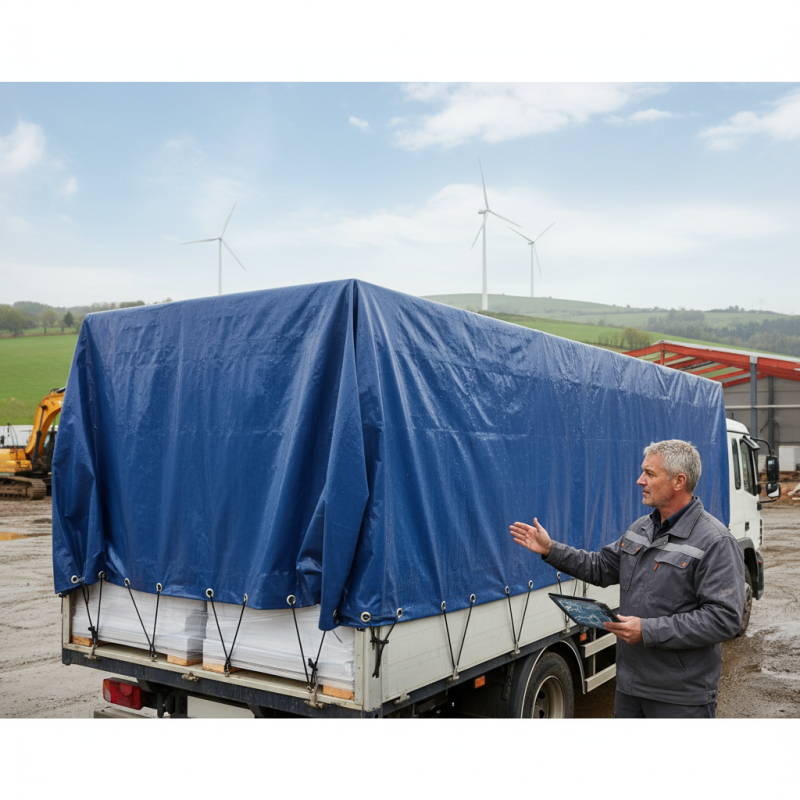
Logistics and transportation industries also rely on PVC tarpaulin. It is commonly used for truck covers, ensuring freight remains protected during transit. Recent data shows that the demand for PVC tarpaulin is rising, driven by the growth in e-commerce. Yet, this surge may contribute to an increase in plastic waste. Balancing benefits with environmental issues requires careful consideration.
Common Uses of PVC Tarpaulin Across Various Industries
PVC tarpaulin has found its way into various industries due to its versatility and durability. In the construction sector, it's often used for temporary coverings. Reports indicate that over 70% of construction firms utilize tarpaulins for site protection. This significantly reduces damage from weather elements. Furthermore, its waterproof nature makes it ideal for covering equipment and materials.
In agriculture, PVC tarpaulin serves as an essential tool. Farmers use it for greenhouse covers and agricultural equipment. Studies show that using tarpaulin can increase crop yield by up to
15%. This is crucial for food production, especially in regions facing climate challenges. However, some farmers may find it difficult to balance cost with quality, leading to inadequate choices.
Tarpaulin also plays a significant role in
logistics. Heavy-duty tarps protect cargo during transport. Nearly
60% of logistics companies report that tarpaulins help reduce product loss. However, improper usage can lead to damage, highlighting the need for training on best practices. This emphasizes the need for better awareness to maximize the benefits of PVC tarpaulin across industries.
Key Benefits of Using PVC Tarpaulin for Protection and Durability
PVC tarpaulin is a versatile material known for its outstanding durability and protection. It is commonly used in various applications, such as covers for trucks, tents, and outdoor equipment. The strong resistance to water and UV rays makes it ideal for protecting items during harsh weather conditions. Heavy-duty PVC tarpaulin can withstand wear and tear. It lasts longer than many other materials.
Another key benefit is its lightweight nature, which makes it easy to handle and transport. Despite being light, it does not compromise on strength. This means it provides excellent protection without adding unnecessary weight. Moreover, the fabric is easy to clean. A simple rinse can remove dirt and grime, maintaining its appearance. However, one should be careful not to use harsh chemicals, as they can damage the surface.
Many users find PVC tarpaulin to be cost-effective over time. While the initial investment might seem higher than other fabrics, its longevity saves money. However, some might wonder if all PVC products are environmentally friendly. There are concerns about waste and recycling. It is essential to consider these aspects when choosing materials for specific projects.
Maintenance Tips for Extending the Lifespan of PVC Tarpaulin
To extend the lifespan of PVC tarpaulin, proper maintenance is essential. Regular cleaning can significantly enhance its durability. According to a report by the Tarpaulin Association, tarpaulin that is cleaned regularly can last up to 25% longer than untreated materials. Using mild soap and water is effective. Remember to avoid harsh chemicals, as they can weaken the fabric.
Additionally, proper storage plays a crucial role. PVC tarpaulin should be stored in a dry, cool place. Leaving it exposed to sunlight or moisture leads to degradation. A study found that UV exposure can reduce the material's strength by 30% over time. Inspecting for tears or damage before and after use helps catch issues early. Repairing small rips promptly can prevent them from worsening.
While these maintenance tips can extend usability, it’s easy to overlook them amid busy schedules. A simple oversight in care could shorten the lifespan of valuable gear. Investing time in maintenance not only preserves functionality but also enhances the value of the tarpaulin over years of use.
Environmental Considerations and Recycling Options for PVC Tarpaulin
When it comes to PVC tarpaulin, environmental considerations cannot be overlooked. This material is durable and weather-resistant. However, its production raises concerns about environmental impact. PVC is not biodegradable. It can take hundreds of years to decompose. Many landfills are already overwhelmed. This is where responsible disposal comes into play.
Recycling options for PVC tarpaulin exist but are limited. Some facilities accept used PVC for processing. It can be transformed into new products, reducing waste. This recycling process requires effort and awareness from consumers. Not all recycling centers handle PVC. Addressing this gap is essential for sustainable practices. Finding local facilities can be challenging. Some regions may lack the necessary infrastructure.
While PVC tarpaulin has many uses, its longevity can be a double-edged sword. Once discarded, it can contribute to pollution. The key is to rethink its lifecycle. Users must consider the end of their products. What happens when they no longer need it? Engaging with recycling initiatives can be a step in the right direction. Ultimately, awareness about PVC's environmental footprint is vital for informed choices.
Best PVC Tarpaulin Uses and Benefits
| Use Case | Benefits | Environmental Considerations | Recycling Options |
| Outdoor Covers | Waterproof and UV resistant | PVC can release harmful chemicals if not disposed of properly | Can be recycled into new products |
| Tarpaulin Tents | Durable and easy to set up | Need to be monitored for potential microplastic release | Specialized recycling programs available |
| Inflatable Products | Lightweight and strong | Can cause environmental hazards if discarded in nature | Can be returned to manufacturers for recycling |
| Agricultural Covers | Protects crops from harsh weather | Exposure to sunlight may degrade materials | Some recycling centers accept agricultural coverings |
| Cargo Protection | Ensures protection against water and dust | Improper disposal can pollute waterways | Many facilities provide recycling services for tarpaulins |