(770) 529-4731
esen

China Top 10 Electric Flatbed Truck Manufacturers?

China’s electric commercial-vehicle market includes established truck makers and newer specialists, but their products can differ substantially. This guide examines ten manufacturers associated with Electric Flatbed trucks and highlights what buyers should compare before requesting a quotation. A shortlist is a starting point, not a purchasing decision.

Useful comparisons go beyond headline range or advertised payload. Check the rated load, platform dimensions, battery capacity, charging options, and suitability for the intended route. A truck carrying building supplies across a worksite may need different specifications from one moving goods around a warehouse. Small details matter.

Look closely at service coverage, parts availability, warranty terms, and model-specific documentation. Ask manufacturers for current specifications and clarify whether stated performance reflects a particular configuration. Numbers can shift with battery size, tires, load, and operating conditions. That deserves attention.

The manufacturers discussed may serve different budgets, applications, and export markets. Not every company will fit every fleet. Some details may also be difficult to verify from public information, so buyers should confirm them directly and compare written offers. A careful review can reveal trade-offs that a polished product page may leave out. No ranking is perfect. The goal here is to provide a practical overview, explain the factors behind a sound comparison, and help readers ask better questions before choosing an Electric Flatbed truck.
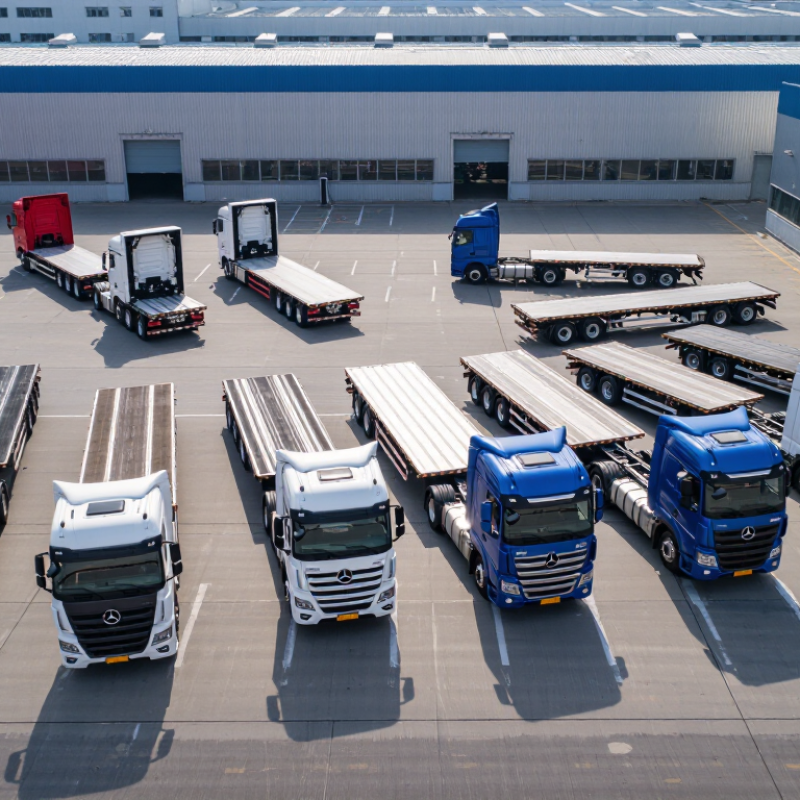
China Top 10 Electric Flatbed Truck Manufacturers?

What Are Electric Flatbed Trucks and How Are They Used?

Electric flatbed trucks are battery-powered vehicles with an open, level cargo deck. The deck can carry items that are awkward to fit inside a van, such as pallets, pipes, building supplies, or maintenance equipment. Tie-down points help secure loads, while removable sides can make loading easier. The exact payload depends on the vehicle’s design, so operators should check the rated capacity before planning a job.

These trucks are used for deliveries, facility maintenance, and moving materials between nearby work sites. In city operations, quieter driving can be useful during early shifts or in busy neighborhoods. At a warehouse, a flatbed may move several palletized loads between buildings without repeated handling.

That matters.

Still, range changes with cargo weight, weather, terrain, and stop-and-go driving. Charging access also affects whether a truck can complete a full shift. Not every route fits.

A sensible assessment includes the real load, daily distance, charging time, and available space for turning or loading. Electric power does not remove the need for careful planning, and its environmental benefit depends partly on how the electricity is produced.

Operators should review performance after deployment; assumptions made before purchase may not match everyday work.


How Were China’s Leading Manufacturers Selected?

China Top 10 Electric Flatbed Truck Manufacturers?

How Were China’s Leading Manufacturers Selected?

Selecting leading electric flatbed truck manufacturers takes more than comparing advertised range or price. A fair review should define the vehicle class, payload, and intended work cycle before comparing suppliers. Product specifications, production capabilities, quality documentation, and after-sales coverage all matter. Missing details should be marked as unverified, not treated as proof of quality. Numbers need context. A claimed driving range means little without information about load, route, temperature, and test conditions.

The comparison should also consider battery and motor options, chassis construction, braking systems, charging compatibility, and replacement-part access. Evidence of consistent production is more useful than a polished demonstration. Service response and parts availability matter when a truck works daily. Customer references can support a claim, but they cannot replace technical checks. A manufacturer may suit one payload class and be less suitable for another. No ranking is universal. Some public records may be incomplete, which limits confidence and deserves honest mention.

Tips: Request a configuration-specific specification sheet, payload figures, battery warranty terms, and a written service plan. Ask for a loaded route test where possible. Compare under identical conditions. Follow up on data gaps instead of guessing.

Who Are the Top 10 Electric Flatbed Truck Manufacturers in China?

China’s electric flatbed-truck market includes large commercial-vehicle groups and smaller specialists. However, there is no single, independently verified top-ten ranking that fits every buyer. A useful shortlist should compare manufacturers by vehicle class, payload, battery options, production capacity, and after-sales support—not marketing claims alone.

The ten kinds of manufacturers worth assessing include established commercial-truck makers, electric-chassis specialists, light-duty delivery-vehicle producers, heavy-duty vehicle groups, municipal-vehicle builders, battery-swapping platform developers, custom flatbed integrators, regional fleet suppliers, export-oriented manufacturers, and engineering-led small-volume producers. These are categories, not a ranked list of named companies. Ask each candidate for a load-rated specification, battery warranty terms, charging details, and service coverage where the truck will operate.

Look closely at real operating conditions. A flatbed carrying steel coils needs different payload margins from one delivering boxed goods across town. Request a demonstration with a representative load, then check braking, turning clearance, ramp angle, and energy use on the intended route. Also verify the vehicle’s approval for the target market. Numbers on a brochure can be neat; field results are messier. That matters. A careful comparison may take longer, but it helps separate a suitable manufacturer from a promising sales pitch.

How Do Their Key Models and Capabilities Compare?

Comparing electric flatbed truck makers in China starts with the job, not the brochure. A compact model may suit factory lanes and short urban deliveries, while a heavier chassis can carry denser loads across longer shifts. Check rated payload, deck dimensions, turning radius, and axle configuration together. A larger battery alone does not guarantee better working range; cargo weight, speed, gradients, and stop frequency all matter.

Tips: Ask for the same duty-cycle test across shortlisted models. Request usable battery capacity, charging time, gradeability, and warranty terms in writing. Confirm whether payload figures include the body and installed equipment. Small detail. It can change the comparison.

Capabilities also differ in practical equipment. Compare cab visibility, tie-down points, deck height, brake systems, and access to service parts. For fleet use, telematics and battery diagnostics can reduce downtime, but only if local technicians can support them. Published specifications are a starting point, not a promise. Some data sheets omit test conditions, making a clear top-ten ranking less certain. A site trial with the intended load often reveals more than a polished chart. Even then, one route is not the whole story.

China Electric Flatbed Trucks: Comparing Advertised Range

A range-focused snapshot of ten representative electric flatbed configurations. Values are indicative, not a manufacturer ranking; actual range varies with battery pack, payload, road conditions, and test cycle.

Use published model datasheets to verify each vehicle’s rated range and payload before making a direct comparison. Advertised range figures may use different test conditions.

What Factors Matter When Choosing a Chinese Manufacturer?

Choosing a Chinese electric flatbed truck manufacturer is less about a low quote and more about matching the vehicle to daily work. Start with the actual payload, not the maximum figure on a brochure. A truck carrying steel coils on a flat route faces different demands from one hauling building materials up steep roads. Ask for the rated axle loads, deck dimensions, gradeability, and braking details. Small details matter.

Compare battery capacity and usable driving range under load. A range figure measured on an empty truck may not reflect a full workday. Request test conditions, charging requirements, and battery warranty terms in writing. Check whether the chassis, tires, and suspension suit your roads and climate. Brochures can overpromise. Verify the numbers.

Factory assessment should include more than a showroom visit. Review quality-control records, welding and corrosion protection, and inspection reports for completed vehicles. Ask how replacement parts are stocked and how service requests are handled in your region. Clarify delivery timelines, customization limits, and what the warranty excludes. A polished sample truck is useful, but it cannot prove consistent production. Leave room for uncertainty: independent checks and a clearly documented specification can prevent costly surprises later.