Why Choose the Best Solar Inverter for Your Needs?
Selecting the right solar inverter for your needs is crucial. A solar inverter is the heart of any solar energy system. It converts direct current (DC) from solar panels into alternating current (AC) for household use. The choice of inverter can significantly impact energy efficiency and overall system performance.
Not all solar inverters are created equal. Different types serve different purposes. For example, string inverters are popular for residential setups, while microinverters are suitable for complex roofs. Understanding your unique energy demands is essential. This ensures you choose a solar inverter that aligns with your lifestyle and energy goals.
Investing in a high-quality solar inverter can yield long-term benefits. It may seem overwhelming at first, especially with so many options. However, a well-chosen inverter can maximize savings and increase reliability. Take your time during the selection process. Reflect on how your energy needs may change in the future. Keep in mind, the right solar inverter can enhance your solar experience.
Understanding Solar Inverters and Their Role in Solar Energy Systems
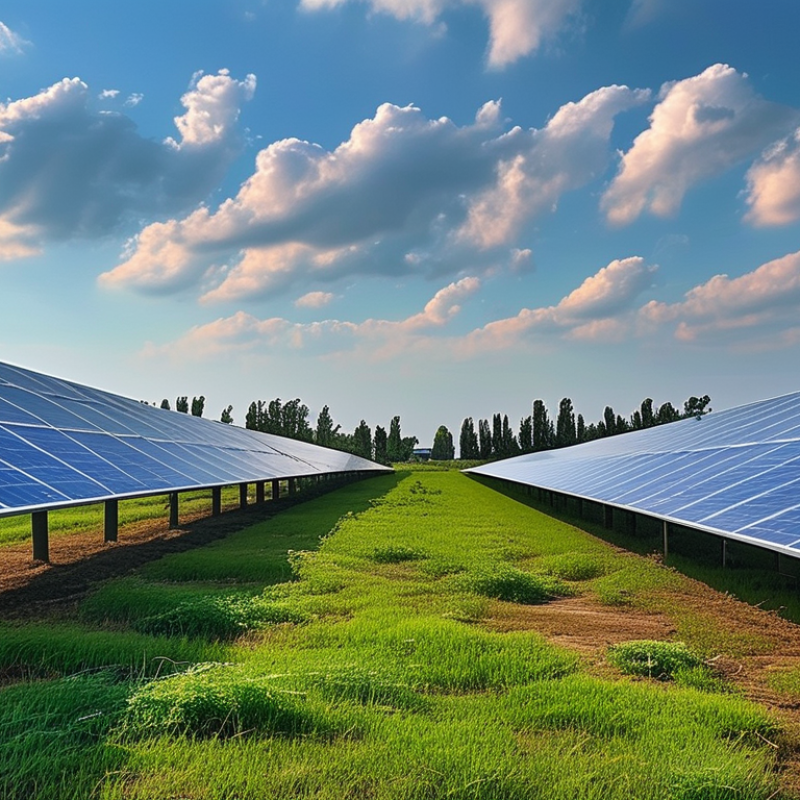
Solar inverters are essential components in solar energy systems. They convert the direct current (DC) produced by solar panels into alternating current (AC), which powers homes and businesses. Understanding their role is vital for making informed choices about solar energy. A reliable inverter ensures efficiency and maximizes the energy output from your solar array.
Different types of solar inverters exist: string inverters, microinverters, and power optimizers. Each type has its advantages and challenges. For instance, string inverters are often more economical, yet they may struggle in partially shaded environments. Microinverters tend to perform better under varied conditions but come with a higher price tag. Evaluating your specific needs is crucial for selecting the best option.
Selecting the right inverter requires careful consideration of features like efficiency ratings and monitoring capabilities. Some inverters provide real-time data on energy production. This allows users to track performance but may lead to overconfidence in the system. It’s essential to understand how environmental factors can impact energy generation and the inverter's performance. A deeper understanding of these elements can lead to better long-term planning and energy independence.
Types of Solar Inverters: Grid-Tied, Off-Grid, and Hybrid Options
When selecting a solar inverter, it’s essential to understand the different types: grid-tied, off-grid, and hybrid. Grid-tied inverters connect directly to the electrical grid. They allow homeowners to sell excess energy back to the grid. According to the National Renewable Energy Laboratory, in 2022, over 80% of new solar installations used grid-tied systems. This option is ideal for those who live in urban areas with reliable utility service.
Off-grid inverters work independently from the utility grid. They are commonly used in remote locations where grid access is limited. Data from Solar Power International indicates that off-grid systems accounted for approximately 10% of new installations last year. While they provide energy independence, these systems often require battery storage, adding complexity and cost. Many homeowners find the investment challenging.
Hybrid inverters, which combine elements of both grid-tied and off-grid systems, are gaining popularity. They offer flexibility and can optimize energy use during outages. A report from the International Energy Agency highlights that hybrid installations are expected to grow by 15% annually. However, potential buyers need to consider their specific energy needs and local regulations. Each inverter type has pros and cons, so assessing energy usage and lifestyle is crucial.
Key Factors to Consider When Choosing a Solar Inverter
Choosing the right solar inverter is essential for optimizing solar energy production. Key factors include inverter type, efficiency ratings, and warranty offerings. The two common types are string inverters and microinverters. String inverters are cost-effective but may struggle in shaded conditions. Microinverters often provide better performance in diverse environments.
Efficiency is crucial. According to industry reports, high-efficiency inverters can exceed 98%, increasing overall system performance. A small efficiency gain can translate to significant energy savings over time. Some reports indicate that every 1% increase in inverter efficiency can yield up to 10% more energy annually. When evaluating inverters, consider their maximum DC input and how it matches your solar array size.
Warranty duration is also important. Look for inverters with at least a 10-year warranty. A longer warranty often indicates manufacturer confidence and may provide reassurance about reliability. While it’s tempting to choose based solely on price, investing in quality pays off in longevity and performance.
Tips: Always check for independent reviews and efficiency ratings. Don’t hesitate to ask for advice from solar energy professionals. Understand that certain configurations may yield better results than others, so tailored solutions often outperform generic ones. Reflect on your specific energy needs before making a decision.
The Importance of Efficiency Ratings in Solar Inverter Selection
When selecting a solar inverter, efficiency ratings play a pivotal role. Studies reveal that inverter efficiency directly affects the overall performance of a solar energy system. According to the National Renewable Energy Laboratory (NREL), an inverter with just 1% higher efficiency can generate thousands of additional kilowatt-hours over its lifetime. This small difference significantly impacts the return on investment (ROI).
Choosing an inverter with high efficiency ratings is crucial. Research indicates that inverters typically operate between 95% to 98% efficiency. However, many systems struggle to reach top performance due to suboptimal conditions. Factors such as temperature, shading, and installation quality can lower actual efficiency. It’s essential to consider these aspects when evaluating performance, as real-world outcomes may differ from manufacturer claims.
Moreover, efficiency ratings also include partial load performance. Some inverters excel only at full capacity. When energy demands fluctuate, inverter efficiency can drop, causing potential energy loss. A balanced consideration of peak and off-peak efficiency is vital for maximizing energy output. These insights should guide decisions when investing in solar technology, ensuring long-term benefits align with actual performance.
Comparing Costs and Long-Term Savings of Different Solar Inverters
When choosing a solar inverter, understanding costs and long-term savings is crucial. Different models have varying price points. Some may cost more upfront but promise better efficiency. Checking the specifications can feel overwhelming. Not all inverters offer the same return on investment.
Consider installation costs as well. Complex systems can lead to higher expenses. Evaluating energy needs might show you don’t need the top-tier model. A mid-range option could suffice for residential use. Reflect on your energy consumption over time. How much do you expect your usage to grow?
Long-term savings can be significant, but there can be trade-offs. Some inverters may have warranties that seem promising. However, service issues might arise over time. It’s wise to research user reviews and talk to professionals. Hearing about real experiences helps clarify what works best for different situations. Always weigh upfront costs against potential savings carefully.