How to Choose HVLS Fan TM Series with Gear Drive Motor?
When considering an HVLS Fan – TM Series with Gear Drive Motor, several factors come into play. These fans are designed to enhance air circulation in large spaces, making them invaluable for warehouses and commercial settings. The right choice can significantly impact energy efficiency and comfort levels.
Selecting the ideal HVLS fan requires expertise and insight. One must examine the motor specifications, fan size, and installation requirements. With numerous options available, it can feel overwhelming. A fan that works well in one environment may not perform effectively in another. It is crucial to assess your unique space needs carefully.
Ultimately, an informed decision will save energy and improve air quality. This is where the blend of knowledge and careful evaluation becomes essential. Trust experienced professionals for guidance. Reliable sources can help navigate the complexities. Reflect on your options, and don’t rush the process. Each detail matters, and thorough consideration will lead to a better selection.
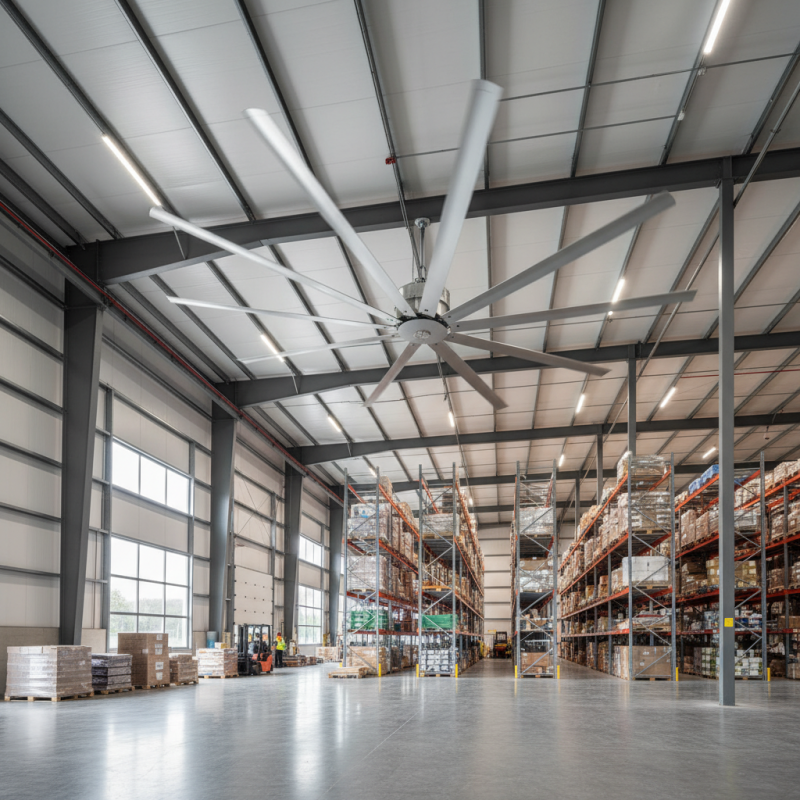
Understanding HVLS Fan TM Series and Gear Drive Motors
When selecting an HVLS (High-Volume, Low-Speed) Fan TM Series with gear drive motors, understanding their features is crucial. These fans are designed for large spaces, providing efficient air circulation. They rotate slowly but move a significant volume of air, creating a comfortable environment. Gear drive motors enhance performance by delivering reliable torque and efficiency. This makes them suitable for both industrial and commercial applications.
One essential tip when choosing an HVLS fan is to consider the fan’s diameter. Larger fans cover more area but may need adequate mounting height. Ensure your space can accommodate the fan size. Also, examine the motor specifications. Gear drive motors offer higher efficiency and better control, crucial for energy savings.
Another point to ponder is noise levels. Some motors may produce more noise than others. It’s important to match the fan’s operation to your environment. For quiet spaces, look into models designed for low sound output. Ultimately, balancing performance, energy use, and sound can refine your decision-making process in selecting the right HVLS fan.
Key Factors to Consider When Choosing an HVLS Fan
When selecting an HVLS fan with a gear drive motor, several key factors come into play. The size of the space is critical. Larger areas typically benefit from bigger fans, which can move a greater volume of air. Think about the height of your ceiling as well. A higher ceiling can enhance air circulation, but it may require a fan with more power.
Energy efficiency is another consideration. HVLS fans should consume less power while providing optimal airflow. This efficiency not only lowers utility bills but also reduces environmental impact. Look for fans designed with energy-saving technologies. Additionally, consider noise levels. Some fans operate quietly, while others can be disruptive. A quiet fan can greatly improve comfort in workplaces or public spaces.
Installation and maintenance must be planned as well. A complicated installation can lead to increased costs and delays. Regular maintenance ensures longevity. Fans should be durable and easy to clean. However, you might find that some features create hurdles in upkeep. Ultimately, weighing these factors carefully will lead to a more informed decision.
Benefits of Gear Drive Motors in HVLS Fans
When considering HVLS fans, the choice of motor is crucial. Gear drive motors stand out for their efficiency and durability. These motors usually require less maintenance than traditional motors. They generate more torque at lower speeds, making them ideal for moving large volumes of air. This is particularly beneficial in spaces with high ceilings or large areas.
A key advantage of gear drive motors is their energy efficiency. They consume less energy while providing powerful airflow. This can lead to significant cost savings over time. Businesses may find that investing in gear drive motors pays off in the long run. Another point to note is the reliability of gear drive systems. They are designed to last longer than typical direct drive systems. This adds to their appeal for industrial settings.
However, it's essential to consider installation and operational costs. Some may find gear drive motors more complex to install. Proper training for staff may be necessary. Moreover, while gear drive systems are generally robust, they can present challenges if not properly maintained. It's vital to weigh these factors carefully before making a final decision. Balancing performance and cost-effectiveness is key when choosing an HVLS fan.
Installation and Maintenance Tips for HVLS Fans
When installing HVLS fans, understanding proper maintenance is crucial for optimal performance. Regular cleaning can enhance airflow efficiency. Dust and debris can accumulate on fan blades. This buildup can impair function and lead to increased energy consumption. According to a recent industry report, neglecting maintenance can reduce fan efficiency by up to 30%.
It's essential to inspect the gear drive motor regularly. Look for signs of wear or unusual noises, which can indicate potential issues. Addressing these early can prevent more significant problems later on. Adequate lubrication of moving parts is equally important. Lubricating the motor's components as per manufacturer guidelines can extend its life.
During installation, proper alignment of the fan is key. An improperly installed fan may introduce vibrations. This can result in noise and potentially damage internal components. Positioning the fan correctly ensures it operates smoothly. Moreover, assessing the environmental conditions, like humidity and airflow patterns, contributes to greater fan efficiency and durability.
How to Choose HVLS Fan TM Series with Gear Drive Motor? - Installation and Maintenance Tips for HVLS Fans
| Dimension | Value | Notes |
| Fan Diameter | 8 ft to 24 ft | Choose depending on room size |
| Fan Speed | 50 RPM to 200 RPM | Adjustable speed settings |
| Motor Type | Gear Drive Motor | High torque and energy efficiency |
| Mounting Height | 10 ft to 30 ft | Ideal for large spaces |
| Energy Consumption | 200 W to 700 W | Energy-efficient operation |
| Noise Level | < 40 dB | Quiet operation suitable for workspaces |
Comparing Different HVLS Fan Models for Your Needs
Choosing the right HVLS (High-Volume, Low-Speed) fan model is crucial for optimizing airflow in large spaces. Different factors impact your choice, such as the size and purpose of your facility. High ceilings require powerful fans to circulate air effectively. In contrast, lower ceilings may benefit from smaller, less powerful models. Knowing the dimensions of your space is essential.
Motor type plays a significant role in performance. Gear drive motors provide strong torque and are suitable for demanding environments. They tend to be more energy-efficient, reducing operational costs over time. However, they can be heavier and require more maintenance. Considering your building’s needs helps in making an informed decision.
Noise levels can also vary among models. Some fans operate quietly, while others produce noticeable sound. If your facility has ongoing activities, opt for quieter models. Always review user feedback on these aspects. Each installation presents unique challenges. You may need to reconsider initial assumptions based on real-world performance. Being open to reassessment can lead to better outcomes in the long run.
HVLS Fan TM Series Comparison