How to Choose the Right Cylindrical Gearbox for Your Needs?
Choosing the right Cylindrical Gearbox can be a complex process. According to John Smith, a renowned expert in mechanical engineering, "A proper selection of gearbox can significantly enhance efficiency." This insight highlights the importance of understanding your specific needs when selecting a gearbox.
Cylindrical gearboxes come in various sizes and configurations. Each type serves different applications. For instance, some designs offer high torque, while others focus on speed. When making a choice, consider load requirements and environmental conditions. One has to weigh options carefully; a wrong choice can lead to inefficiency or even equipment failure.
It's essential to consult with industry professionals. They can help clarify what features matter most. However, remember that there's no one-size-fits-all solution. Align your choice with your unique operational requirements. Reflecting on these factors will guide you to the best cylindrical gearbox for your needs.
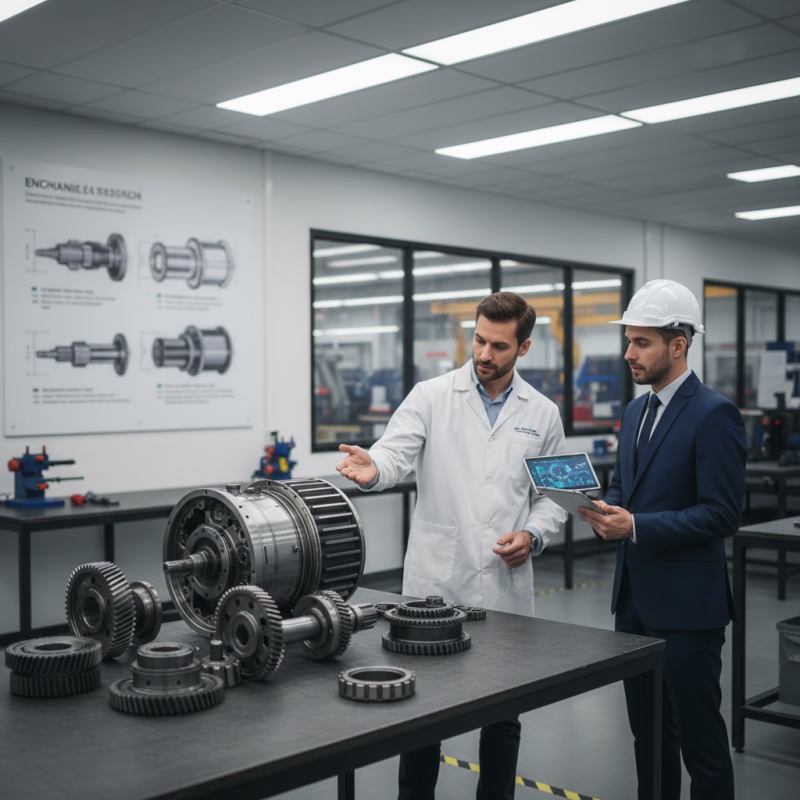
Understanding the Basics of Cylindrical Gearboxes
Cylindrical gearboxes are essential in many mechanical systems. Understanding their fundamentals helps in selecting the right type. The design and function of these gearboxes play a critical role in performance. They convert motor output into rotary motion, providing torque and speed increase. Their efficiency can reach up to 98%, making them a popular choice in various industries.
Industry data indicates that cylindrical gearboxes are projected to grow by 5.5% annually until 2026. Factors influencing this growth include industrial automation and the demand for precision machinery. Their construction typically includes a pair of cylindrical gears, allowing for high load capacity and smooth operation. However, improper selection can lead to inefficiencies or early failure.
When evaluating options, assess load requirements and space limitations. Consider environmental factors like temperature and humidity. While some gearboxes excel in specific applications, not all may meet your needs. Conduct thorough research, as even minor mismatches can cause significant issues. Understanding these basics is crucial for optimal performance and longevity in machinery.
Choosing the Right Cylindrical Gearbox: Performance Metrics
This bar chart illustrates key specifications to consider when choosing the right cylindrical gearbox for your application. Focus on efficiency, torque, speed, and weight to ensure optimal performance.
Identifying Your Application Requirements for Gearbox Selection
Choosing the right cylindrical gearbox starts with understanding your application requirements. Each application has unique demands, such as torque, speed, and space availability. Assessing these factors early can save time and resources later. Think about the load conditions and the type of movement needed. Are you working with constant speed or variable load conditions? This will influence your choice significantly.
Consider the environment where the gearbox will operate. Harsh conditions may require special materials or seals. Also, think about efficiency. Gearboxes can vary in efficiency, depending on their design and construction. Reflect on how this impacts your overall system performance. Occasionally, you might find that a seemingly perfect gearbox doesn't fit your needs, requiring a reevaluation.
Lastly, don’t overlook the importance of selecting a reliable supplier. Their expertise can guide you through complex choices. They may provide insights that can help prevent future issues. Assessing your needs involves critical reflection and a willingness to adapt your choices as new information arises.
Evaluating the Key Specifications of Cylindrical Gearboxes
When selecting a cylindrical gearbox, key specifications are critical. Gear ratios determine output speed and torque. A higher ratio usually means more torque, but a trade-off comes with speed. Consider the operational needs of your application. Choose a gear ratio that meets these needs without causing overload.
The material and design of the gearbox also influence performance. For instance, steel gearboxes offer durability but may weigh more. Lightweight materials can improve handling but may sacrifice strength. Examine your environment and usage conditions. Will the gearbox face high temperatures or harsh chemicals? Reflect on the right choice for your specific situation.
Another factor is the maximum load capacity. Each gearbox has limits. Exceeding these limits can lead to failure. Think about how the gearbox integrates into your system. An underestimated load could cause mechanical issues down the line. Evaluating these specifications helps avoid costly mistakes. A careful selection process leads to optimal performance.
Comparing Different Types and Designs of Cylindrical Gearboxes
When selecting a cylindrical gearbox, understanding the different types and designs is crucial. Cylindrical gearboxes come in several variations, including parallel shaft, helical, and bevel designs. Each type serves unique operational needs, making careful consideration essential. For instance, helical gearboxes are known for their quiet operation and efficiency. They excel in high-speed applications but can be more complex and expensive.
On the other hand, parallel shaft gearboxes are simpler but can be less efficient. They are often easier to maintain, which is beneficial for operations with limited technical support. A drawback here is that they might not handle high loads as effectively as their helical counterparts. Choosing the right design requires weighing these factors against the specific demands of your application.
Reflecting on past decisions is vital. It’s easy to prioritize cost over quality, leading to issues later. Evaluating how each gearbox type fits your workload can prevent costly downtime or operational inefficiencies. Making a choice isn't always straightforward; multiple aspects such as size, load capacity, and speed ratios must align with your requirements.
Maintenance and Lifespan Considerations for Cylindrical Gearboxes
Cylindrical gearboxes are essential in various machinery applications. Their maintenance influences overall performance and longevity. Regular checks can prevent unexpected failures. Routine inspections help identify wear and tear. Pay attention to lubrication levels and inspect seals for leaks.
Operating conditions significantly affect lifespan. High temperatures and heavy loads can increase wear. It's crucial to implement cooling systems when necessary. Regular cleaning can reduce contamination risks. Simple, yet effective, practices often go overlooked.
Consider the gearbox design for easy servicing. Accessible parts facilitate timely repairs. Evaluate the installation environment, as it can complicate maintenance. Reflect on past experiences. If maintenance is neglected, costly downtimes follow. Regular training for maintenance staff enhances the gearbox’s reliability and life.