How to Choose the Best ESD Storage Box for Your Needs?
In today's technology-driven landscape, the importance of safeguarding electronic components cannot be understated. A well-designed Esd Storage Box is essential for protecting sensitive devices from electrostatic discharge. According to a report by the Electrostatic Discharge Association, ESD events account for significant financial losses in manufacturing. In fact, statistics show that billions are spent annually on damages due to improper handling of electronic parts.
Choosing the right ESD storage box requires a blend of understanding your specific needs and recognizing the available options in the market. Various materials and designs cater to different applications, from anti-static bags to more robust storage boxes. Use cases range from manufacturing facilities to laboratories, where every detail counts. Industry experts recommend assessing the level of protection needed, as the wrong choice can lead to potential risks and losses.
In this evolving field, businesses must remain vigilant. While understanding ESD protection principles is vital, many still overlook details that could cost dearly. A comprehensive review of your storage solutions may reveal gaps. Ensuring that the chosen ESD storage box aligns with your operational requirements is critical for maintaining the integrity of your electronic components.
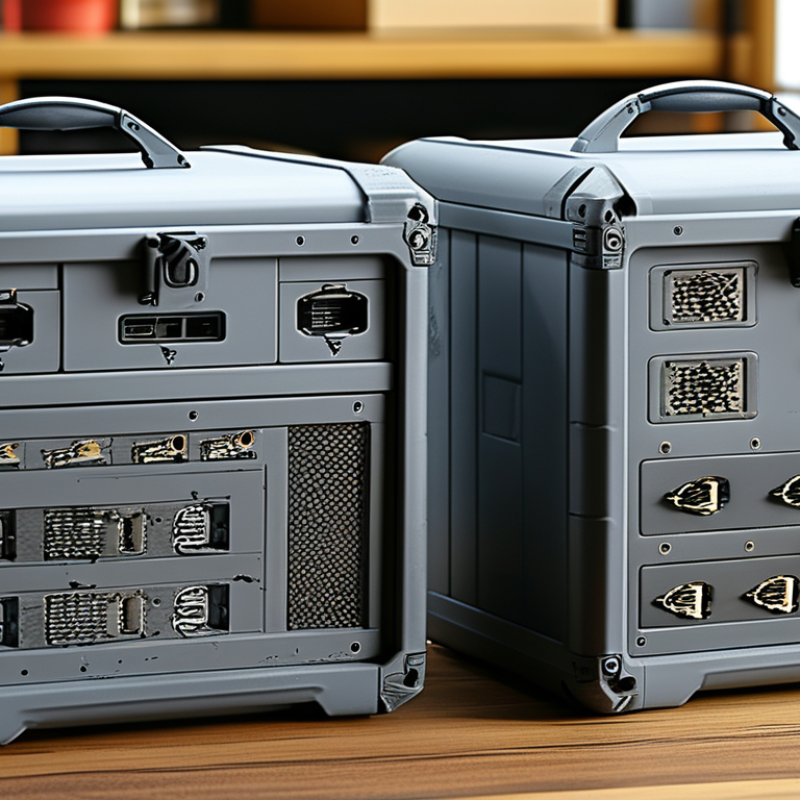
Understanding ESD and Its Importance in Storage Solutions
Electrostatic discharge (ESD) is a critical factor in storing sensitive electronic components. It can damage or destroy delicate parts. Understanding ESD and its importance is essential for anyone working with electronics. ESD occurs when two objects with different electrical charges come into contact. This can lead to failures that are often irreversible.
Choosing an ESD storage box can help protect against these risks. Look for boxes made from static dissipative materials. These materials reduce the buildup of static electricity. Ensure the box is properly labeled. A clear identification system helps in maintaining organization and accountability.
When dealing with ESD-sensitive items, consider humidity control. Low humidity can increase static charge. A humidity-controlled environment is beneficial for storing sensitive parts. Regularly check your storage conditions. Create a routine to monitor ESD protection levels. Awareness is key to preventing damage. Remember, neglecting proper storage can lead to costly mistakes. Make informed choices for better protection.
Types of ESD Storage Boxes Available in the Market
When selecting an ESD (Electrostatic Discharge) storage box, understanding the types available can greatly influence your choice. Common types include anti-static bags, modular bins, and stackable containers. Anti-static bags are great for smaller components. They protect electronics from static damage through their special material. Modular bins offer versatility, allowing easy organization for various sizes of items. Stackable containers maximize space efficiency, ideal for workshops or storage areas.
Choosing the right type often depends on your specific requirements. For example, if you need mobility, look for lightweight options. If items are frequently accessed, clear containers can help with visibility. Consider using labels to enhance organization.
Always prioritize quality when shopping. Some boxes may look appealing but lack the necessary protection. Research customer reviews for insights on durability. A box that fails to protect can lead to costly errors. Assess your workspace and determine how many different items you need to store. This clarity can guide your purchase effectively.
Key Features to Consider When Choosing ESD Storage Boxes
When selecting an ESD storage box, consider essential features that enhance safety and usability. Material is critical; anti-static properties protect electronic components from damage. Look for boxes made from high-quality conductive materials. These materials dissipate static, minimizing risks.
Size is another significant factor. Choose a box that accommodates your components snugly but allows for airflow. This can prevent overheating and further reduce static buildup. Storage capacity should match your inventory. An overcrowded box can lead to accidental damage.
Tips for selection: always look for a box with padding. This adds a layer of protection against impacts. A transparent lid can help identify contents quickly, saving time. Consider boxes with modular designs; they offer flexibility in your storage strategy. Regularly evaluate your storage as your needs may change, leading to adjustments in the type.
Remember to assess the box's durability too. It should withstand wear over time, maintaining its protective qualities. As per industry reports, around 30% of electronic components are damaged due to inadequate storage. Investing in the right ESD storage box can significantly reduce these risks. A well-thought-out choice ensures both protection and efficiency.
Assessing Size and Capacity Requirements for Your ESD Needs
When selecting an ESD storage box, assessing size and capacity is crucial. The dimensions of the components you intend to store are paramount. Industry reports indicate that over 70% of electronic failures are attributed to inadequate protective measures during storage and transport. Ensuring you have a box that can accommodate your components will significantly reduce these risks.
Most ESD boxes are designed to house standard-sized components. For instance, a typical box may range from 8x6x2 inches to larger sizes, depending on your needs. However, if your components are unusually sized, you might face challenges. Remember, the box must not only fit the components but also allow for air circulation. Storing items too tightly can lead to physical damage.
Capacity is another essential factor. It’s important to consider what you will store. An electronic assembly line report suggests that having even a 10% discrepancy in expected capacity can lead to operational issues. Overpacking can create stress on the materials. Thus, aim for a box that meets or slightly exceeds your storage needs. Take time to evaluate how often you will access the stored items. Accessibility can influence your choice of box size and design too.
How to Choose the Best ESD Storage Box for Your Needs?
| Size (Dimensions) | Capacity (Items) | Material | Features | Suitable For |
| 12"x 8"x 4" | 20 | Plastic | Stackable, Transparent | Small Electronic Parts |
| 15"x 10"x 6" | 50 | Polymer | With dividers, Lockable | Tools and Accessories |
| 18"x 12"x 8" | 100 | Metal | Heavy Duty, ESD Safe | Heavy Equipment Parts |
| 10"x 6"x 4" | 15 | Antistatic Foam | Cushioned Interior | Delicate Components |
Budgeting for Quality: Finding the Right ESD Storage Box Within Your Price Range
Choosing an ESD storage box involves careful consideration of your budget. Many consumers opt for lower-priced options without realizing potential risks. Quality ESD boxes are not merely an expense; they’re an investment. According to industry reports, choosing poorly can lead to equipment damage. This could result in higher costs when repairs or replacements are needed.
The market emphasizes a correlation between cost and quality. A professional analysis reveals that high-quality ESD boxes can typically range from $30 to $100 depending on size and material. Cheaper options may start around $10, but they often lack the essential protective features. Users frequently overlook the importance of grounding and durability in ESD storage solutions.
Finding the right balance is crucial. A reliable storage box should withstand environmental factors and offer sufficient cushioning. Examine reviews and expert reports when considering your choices. Reflect on whether the savings from a budget box justify the potential for damage. Investing a bit more upfront might save money and frustration in the long run.