2026 How to Choose the Best Fluorine Pumps for Your Needs?
Choosing the right Fluorine Pump is essential for various industrial applications. The global fluorine pump market is projected to grow at a CAGR of 5.1% from 2021 to 2027. This reflects the increasing demand for reliable pumps in chemical processing and semiconductor manufacturing. Understanding your specific needs is critical for making an informed decision.
Fluorine pumps are designed to handle aggressive chemicals safely. They must withstand high temperatures and corrosive environments. According to industry reports, improper selection can lead to pump failures. This not only affects efficiency but also increases operational costs.
In a market flooded with options, knowing what to look for is vital. Keywords such as compatibility, material choice, and flow rates play pivotal roles. Investing time in evaluation prevents future headaches and ensures long-term functionality. Always consider expert opinions and detailed reviews when selecting a fluorine pump for optimal performance and safety.
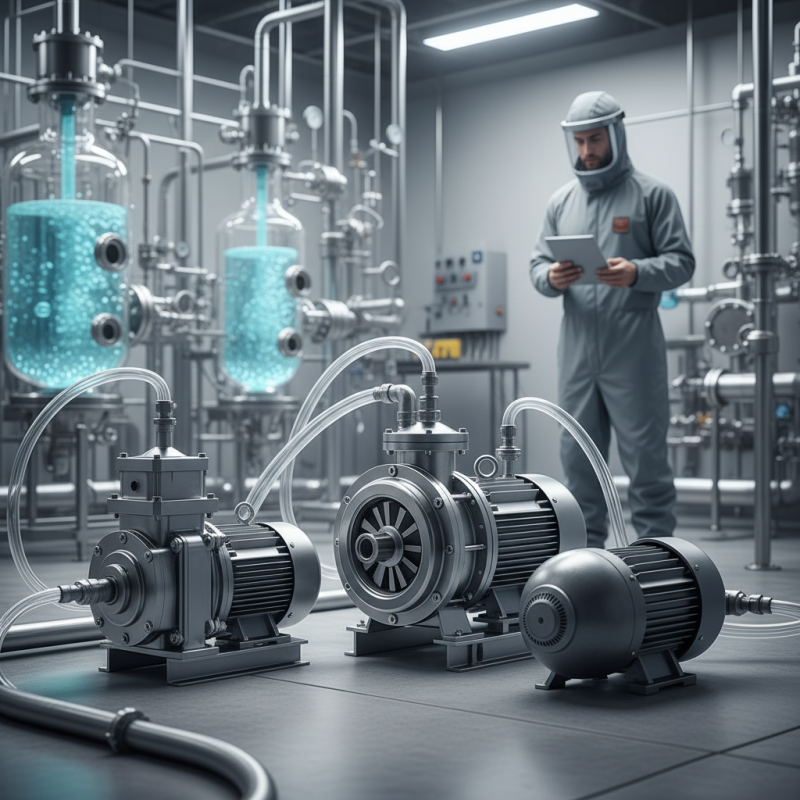
Understanding Fluorine Pumps: Functions and Applications
Fluorine pumps play a crucial role in various industries. They are designed to handle corrosive materials and aggressive chemicals. Understanding their functions is vital for making informed decisions. These pumps can effectively transport fluids that contain fluorine, which is highly reactive. Their durability in harsh environments is beneficial.
In chemical processing, fluorine pumps are often used. They help manage the safe transfer of hazardous fluids. Precise flow control is essential here. Certain industries, like pharmaceuticals and semiconductors, rely on them heavily. The right pump ensures operational efficiency and safety.
Pumps may not always perform perfectly. Issues like wear and tear can arise with time. Regular maintenance is necessary to uphold reliability. It's important to evaluate the specific needs of your application. Consider factors like flow rate and corrosiveness. Making an informed choice on fluorine pumps can lead to long-term success.
Key Characteristics of Fluorine Pumps to Consider
When selecting fluorine pumps, several key characteristics require careful consideration. First, compatibility with the specific chemicals is essential. Fluorine pumps are often used in industries handling aggressive fluids. According to industry reports, over 60% of pump failures result from chemical incompatibility. Thus, it's crucial to choose materials that can withstand reactive substances.
Another important factor is the pump's temperature tolerance. Many fluorine applications involve extreme temperatures. A pump's efficiency can decline significantly if it isn’t rated for the appropriate range. Data indicates that pumps with proper thermal ratings can enhance operational lifespan by 30%. Additionally, assessing flow rate and pressure ratings ensures the pump meets system requirements without overexertion.
Reliability is another critical aspect of fluorine pumps. Even minor leaks can lead to costly downtime or safety hazards. Reports suggest that installing advanced monitoring systems can reduce leaks by 40%. However, these systems can also introduce complexity and require regular calibration. Balancing reliability with maintenance needs is essential for long-term success. Each project has unique challenges, so a one-size-fits-all approach may not suffice. A thorough evaluation of each characteristic is vital for optimal performance.
Evaluating Performance Metrics for Fluorine Pumps
When evaluating fluorine pumps, performance metrics are crucial. Proper assessment can determine if a pump meets specific operational needs. Industry reports indicate that efficiency ratings often vary widely. For example, some pumps achieve an efficiency rate of over 80%, while others might not surpass 65%. This discrepancy can impact both energy consumption and operational costs.
It's essential to consider flow rate and pressure handling. Reports suggest that flow rates are often specified in gallons per minute (GPM). A pump rated at 30 GPM may suffice in many applications, yet higher demands could require pumps exceeding 50 GPM. Pressure capabilities also matter. The ability to handle pressures above 200 psi is common in specialized applications, reflecting the pump's robustness.
Reliability is another key metric. Some studies indicate that failure rates for fluorine pumps can be as high as 15% in demanding environments. This raises questions about durability and maintenance needs. Regular maintenance routines can help extend pump life but also require consistent time and resource investment. Balancing these metrics against specific application needs is necessary for optimal performance. Thus, careful selection is vital in meeting operational requirements.
Material Compatibility and Chemical Resistance Factors
When choosing fluorine pumps, material compatibility and chemical resistance are vital factors. Fluorine is aggressive and can degrade materials that aren't specifically designed for it. Selecting the wrong material can lead to leaks. This can harm both the environment and safety. Understanding the chemicals you’ll handle is essential.
Different materials like PTFE, PFA, and PVDF offer varying levels of resistance. PTFE performs well with most chemicals but may not handle high pressures effectively. PFA provides excellent chemical resistance but can be more expensive. PVDF is a good mid-range option. Always assess your specific requirements, as each project may have unique needs.
Tips: Always test materials in a small setup first. Document any failures to inform future projects. Consult with experts for advice tailored to your specific chemical compatibility needs. A small oversight can lead to larger issues down the line.
Selecting the Right Size and Capacity for Your Fluorine Pump
Choosing the right size and capacity for your fluorine pump is essential for optimal performance. Understanding your specific application is key. Fluorine pumps are used in various industries, from chemical processing to pharmaceuticals. Each application may require a different pumping capacity and size.
Consider the flow rate you need. A pump that's too small will struggle, leading to inefficient operations. Conversely, an oversized pump can waste energy and create pressure issues. It's vital to calculate the required flow accurately based on your process parameters. Don't forget to think about the viscosity of the fluid. Thicker fluids may require a more powerful pump to maintain flow.
Sometimes, users underestimate the importance of compatibility. Not every pump is suitable for every chemical. Research the materials used in your pump to ensure they can handle fluorine safely. It's worth investing time in understanding your specific needs. Knowledge in this area can save you from costly mistakes and downtime later.