How to Choose the Best Hand Protection for Your Needs?
Choosing the right Hand Protection is crucial for safety. In various industries, hands are at risk. They can face cuts, burns, and chemical exposure. Selecting appropriate gloves and protective gear is not straightforward. A well-informed choice can prevent injuries.
Understanding your specific needs is essential. Different tasks require different levels of hand protection. For example, construction work demands durable gloves. Conversely, food service may require disposable, cut-resistant options. Consider the materials used in hand protection. They can greatly affect comfort and usability.
Reflect on the available options before making a decision. Some products may look appealing but lack effectiveness. Always prioritize protection over style. Testing your chosen hand protection can reveal its true reliability. A small oversight in selection can lead to larger issues. Therefore, being thorough is vital for ensuring safety in the workplace.
Understanding the Different Types of Hand Protection Available Today
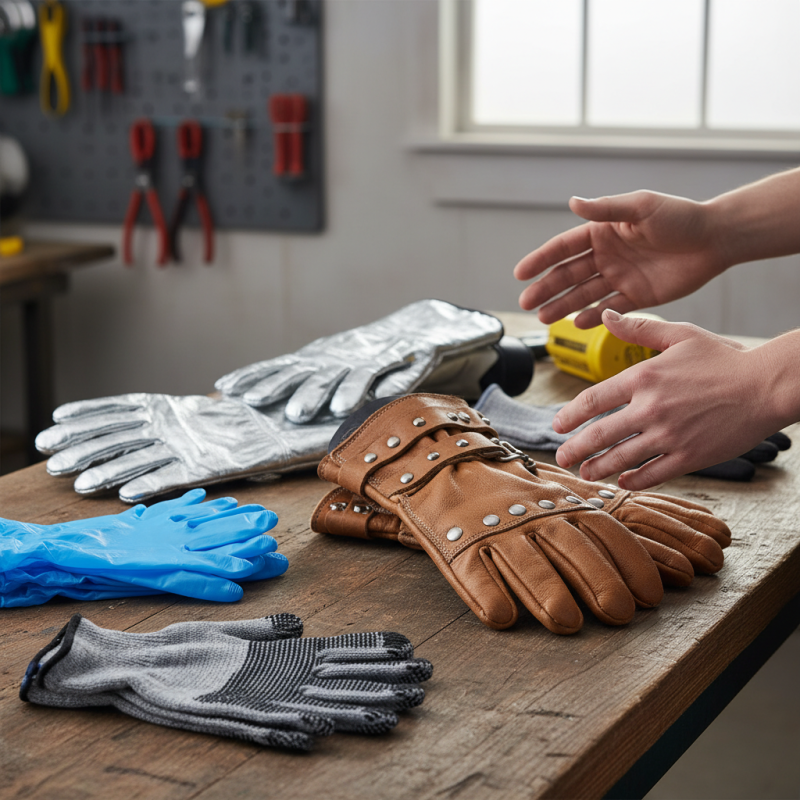
Hand protection is crucial across various industries. Understanding the different types available can help you select the right pair for your needs. The most common types of hand protection include cut-resistant gloves, chemical-resistant gloves, and heat-resistant gloves. According to a report by the National Safety Council, hand injuries account for over 20% of workplace injuries. Choosing the appropriate glove type can significantly lower this risk.
Cut-resistant gloves are critical for tasks involving sharp objects. These gloves often feature materials like Kevlar or steel fibers. They offer varying levels of cut resistance, rated from A1 to A9, where A9 provides the highest protection. A study by the American Industrial Hygiene Association highlights that these gloves can reduce cut injuries by up to 70%. However, comfort and dexterity are sometimes overlooked, impacting a worker's ability to perform tasks efficiently.
Chemical-resistant gloves are essential in labs and manufacturing settings. Materials like nitrile and neoprene are common, providing barriers against harmful substances. Yet, the fit is often sacrificed for protection. Many users report discomfort when wearing bulky gloves for extended periods. It is vital to find gloves that balance protection and usability. According to the Centers for Disease Control and Prevention, proper glove selection can prevent over 90% of chemical-related hand injuries. Each type of glove has its strengths and limitations, requiring careful consideration to ensure the best safety and functionality.
Evaluating Industry-Specific Hand Hazards and Risks
When selecting hand protection, understanding industry-specific hazards is crucial. Different sectors present unique risks that require tailored solutions. For instance, the construction industry reports that 40% of hand injuries are caused by cuts and lacerations. In response, materials such as high-performance cut-resistant gloves have become essential. These gloves must meet ANSI/ISEA cut level standards to effectively mitigate risks.
In manufacturing, overexposure to harmful chemicals poses significant threats. According to the Bureau of Labor Statistics, 10% of reported injuries involve skin exposure to hazardous substances. Gloves made from specialized polymers can provide the necessary chemical resistance. However, not all gloves will offer adequate protection against every chemical. It's vital to consult Safety Data Sheets to determine compatibility.
In addition to the specific hazards, the fit and comfort of gloves shouldn’t be overlooked. Poorly fitting gloves can hinder dexterity, leading to greater risk of accidents. A study by the National Safety Council found that 25% of hand injuries can be linked to improper glove usage. Workers should regularly assess their hand protection, considering how well it aligns with the risks they face daily. Addressing these details can profoundly impact safety outcomes in the workplace.
How to Choose the Best Hand Protection for Your Needs?
| Industry | Common Hazards | Recommended Glove Type | Key Features |
| Construction | Cuts, Abrasions, Chemical Exposure | Cut-Resistant Gloves | High dexterity, reinforced palms |
| Manufacturing | Punctures, Chemical Burns | Nitrile Gloves | Chemical resistance, flexible fit |
| Healthcare | Biological Hazards, Infections | Medical Examination Gloves | Latex-free, high barrier protection |
| Food Processing | Cuts, Contamination | Disposable Polyethylene Gloves | Food safe, lightweight |
| Automotive | Heat, Cuts, Chemicals | Leather Gloves | Heat resistant, durable |
Assessing Material Durability and Comfort in Protective Gloves
Choosing the right hand protection can significantly impact your safety and comfort. Assessing material durability is crucial. High-quality gloves should withstand wear and tear while retaining flexibility. Look for materials like leather, synthetic blends, or Kevlar. Each type offers unique benefits. Leather is durable but can be heavy. Synthetic options may provide breathability but vary in strength.
Comfort is not to be overlooked. A glove that fits well allows for better dexterity. Poorly fitting gloves can lead to fatigue and reduced grip. Pay attention to the glove's lining. A comfortable lining can absorb sweat and enhance comfort over long periods. You may need a few trials to find the perfect fit.
Tips: Always try gloves on before purchasing. Stretch and flex them to ensure they fit snugly. Consider the glove's purpose; heavy-duty gloves may not be ideal for delicate tasks. Remember, your choice should balance durability and comfort for effective hand protection. Evaluate your needs regularly, as tasks might change, requiring different types of gloves.
Interpreting Safety Standards and Regulations for Hand Protection
When selecting hand protection, understanding safety standards is crucial. These standards guide the selection process, helping workers choose the right gloves for specific tasks. For instance, EN 388 focuses on mechanical risks. It rates gloves based on abrasion, cut, tear, and puncture resistance. Knowing these ratings can help in choosing gloves that will protect against workplace hazards.
Compliance with regulations ensures that your protective gear meets industry safety requirements. OSHA outlines expectations for worker protection, while ANSI provides detailed performance guidelines. Yet, not all gloves may fit flawlessly for every task. Users often find that comfort and dexterity may suffer when prioritizing maximum protection. It can be challenging to find a pair that offers both safety and usability.
It’s essential to assess the specific risks present in your environment. Conducting a risk assessment helps identify hazards. Many overlook the importance of this step. A glove that works well in one scenario may falter in another. Users must regularly re-evaluate their choices based on changing conditions and new tasks. This ongoing process can greatly improve safety and effectiveness in hand protection.
Selecting the Right Fit: Importance of Size and Dexterity in Gloves
Selecting the right fit in hand protection is crucial for comfort and safety. Size and dexterity greatly influence a glove's effectiveness. Industry reports indicate that improper sizing can reduce protection by up to 60%. A glove that is too large may hinder fine motor skills. Conversely, gloves that are too tight can cause discomfort, affecting productivity.
When choosing gloves, it's vital to consider the tasks at hand. Activities requiring precision need gloves that allow for excellent tactile feedback. An ergonomic fit can enhance grip and control, which is essential in many trades. Certain studies suggest that gloves designed for specific tasks can improve efficiency by at least 25%. This underscores the need for proper fit and dexterity.
However, many workers opt for generic sizes, often leading to issues. There may be a lack of awareness about the impact of size on performance. Personal preferences also play a role, sometimes overshadowing practical needs. It's essential to reflect on these factors when selecting hand protection. Consider how fit impacts not just safety, but also overall work quality. Proper education on glove fitting can be beneficial for different industries.