I can’t responsibly attribute a quotation to a named pallet-banding expert without a verifiable source. Please provide the relevant article or the expert’s name and quotation, and I can write the introduction accurately.
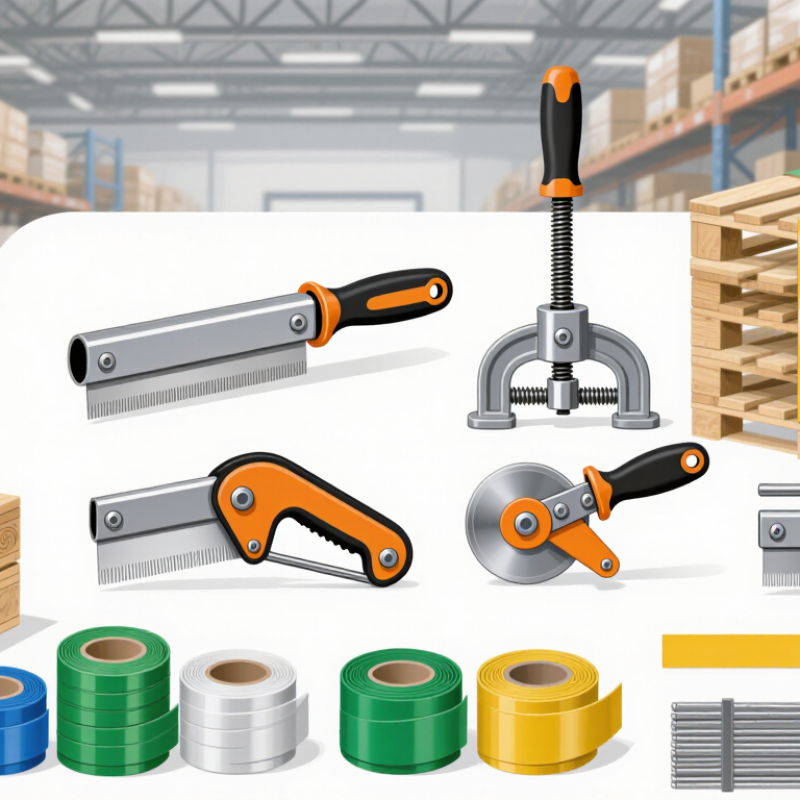
A pallet banding kit is a set of tools and materials used to secure a load to its pallet. A typical kit includes plastic or steel strapping, a tensioner, a sealer, and a cutter. Some kits also include buckles or protective corner pieces. The right components depend on the load’s weight, shape, and packaging. For example, sharp carton edges may need corner protection to prevent the strap from cutting into the boxes. That small detail matters.
To use a manual kit, the operator feeds a strap around the load and pallet, then threads the ends through the tensioner. The tool pulls the strap snug, and a sealer joins the ends with a seal or crimp. The excess strap is cut away.
Keep the strap firm, not crushing. Too little tension can let cartons shift; too much may dent packaging or damage the load.
Not quite every pallet is easy to band. Uneven stacks and loose items may need adjustment before strapping, and a kit cannot fix an unstable load by itself. After banding, check that the strap sits flat and the load does not move easily.
A pallet banding kit should match the load you actually ship, not an idealized version of it. Start with the load. Note its weight, footprint, height, and shape, then check whether cartons sit evenly or leave gaps. A tall stack of light boxes can shift differently from a compact, dense load. Look at the pallet, too: damaged boards or uneven edges may affect where straps can sit safely.
Consider what happens during transit. Short warehouse moves may need less restraint than long road or sea shipments with repeated vibration and handling. If loads face rain, humidity, or long storage, choose compatible strapping and protect vulnerable cartons from strap pressure. Ask how often the kit will be used, and whether operators need to band loads quickly or adjust tension for different sizes. These details influence the tools and strap type worth considering.
Measure a few typical loads, including the awkward ones. A kit selected only for the average pallet may struggle with an oversized bundle or a load that settles after packing. That is easy to miss. Check the strapping supplier’s guidance for tension limits and match them to the load’s packaging; excessive tension can crush boxes, while too little may allow movement. Test a representative pallet and inspect it after handling. The result may not be perfect on the first try, so revise the setup when cartons buckle or straps loosen.
Choosing a pallet banding kit starts with the load, not the tool. Polypropylene strap suits light cartons and short trips. It is flexible and economical, but may stretch as a pallet settles. Polyester holds tension better for heavier loads or longer journeys, though it usually costs more. Steel can secure dense, rigid goods, but its edges require careful handling. No material suits every shipment.
Check strap width, thickness, and core size against the tensioner, sealer, and dispenser. A 12 mm strap may not feed through equipment made for 16 mm. Even matching widths may not be enough: thickness and texture can affect grip and seal quality. Confirm whether the kit uses buckles, seals, or heat-welded joints. Then test it on a wrapped pallet. Look for slipping, crushed corners, or loose layers after moving the load. Test it first. A small trial can reveal details a specification sheet misses. Core size is easy to overlook, and that mismatch can make an otherwise suitable strap unusable. Recheck the choice if your loads vary; extra strength is not always better.
| Selection Factor | Options or Typical Details | Best Fit | Kit Compatibility Checks |
|---|---|---|---|
| Polypropylene (PP) strap | Lightweight and flexible; commonly available in widths such as 9, 12, 15.5, and 16 mm. Exact thickness and strength vary by product. | Light to moderate loads, cartons, and general warehouse bundling where high retained tension is not essential. | Confirm the tensioner’s approved strap-width and thickness range. Check whether the kit uses compatible seals, buckles, or a friction-weld tool designed for PP. |
| Polyester (PET) strap | Stiffer and generally stronger than PP at comparable dimensions; often used for heavier loads. Available in multiple widths and thicknesses. | Medium to heavy pallet loads that need stronger, more consistent restraint than typical PP strapping provides. | Match the tool to the strap’s width, thickness, and surface profile. Friction-weld tools must be specified for PET; seal-based systems need the correct seal size and type. |
| Steel strap | High strength and stiffness; common widths include approximately 12.7, 16, 19, 25, and 32 mm, depending on the system. | Heavy, rigid, or sharp-edged loads where high restraint is required and the load or handling conditions suit steel strapping. | Use a steel-rated tensioner and sealer. Match the seal type and dimensions to the strap; wear appropriate cut-resistant gloves and eye protection when handling steel strap. |
| Strap width and thickness | Both dimensions affect strap strength and whether the strap fits through tool guides, seals, and feed channels. | Any application where the selected strap must pass smoothly through every part of the banding system. | Check the tool’s stated width and thickness range against the strap specification—not just the nominal width. Do not force an oversized or undersized strap into a tool. |
| Strap surface and profile | Strap may be smooth or embossed; profiles and friction characteristics differ between products. | Applications where reliable tensioning, sealing, or friction welding is important. | Confirm that the tool and joining method are suitable for the strap’s surface. A friction-weld tool must be compatible with the strap material and profile. |
| Joining method | Common systems use metal seals, buckles, or friction welding. Not every method works with every strap material. | Choose according to load requirements, operating conditions, and whether the kit will be used manually or with a powered tool. | Make sure the tensioner, sealer or combination tool, and joining components are designed to work together with the chosen strap. |
| Coil and dispenser fit | Strap coils vary in core diameter, coil width, weight, and dispensing format. | Regular use where controlled payout helps reduce tangles and handling interruptions. | Check the dispenser’s core-size range, maximum coil width, and load capacity against the actual strap coil. Coil dimensions are not universal. |
| Load and handling conditions | Consider load weight, rigidity, sharp edges, vibration, storage time, and exposure to moisture or sunlight. | Use these conditions to decide whether PP, PET, or steel is appropriate and what level of restraint is required. | Follow the strap and tool manufacturers’ load guidance. Use edge protectors where needed, and do not treat strap material alone as a substitute for a rated load-restraint plan. |
| Complete kit checklist | A kit may include a tensioner, sealer or combination tool, seals or buckles, dispenser, and compatible strap. | Buy a complete matched system when replacing parts or setting up a new packing station. | Before purchase, verify strap material, width, thickness, joining method, seal or buckle dimensions, tool capacity, and dispenser fit. |
Note: Strap dimensions, strength ratings, coil formats, and tool ranges vary by product. Always check the specifications for the exact strap and kit before use.
A reliable kit starts with the load, not the tool. For light cartons, a manual tensioner and metal seals may be enough. Heavy or dense loads often need higher, repeatable tension and a compatible seal. Check strap width and material before buying; a seal made for one strap type may slip on another. On the floor, test a sample pallet and inspect the joint after tightening. A neat-looking band can still be loose.
Power matters. Manual tools cost less and travel easily, but repeated pulls can tire operators. Battery-powered tensioners suit frequent work and reduce hand effort; pneumatic models can fit fixed packing stations with reliable air supply. There is no perfect kit. The U.S. Bureau of Labor Statistics reported a 2.4 recordable-injury rate per 100 full-time workers in private industry for 2023; this broad figure does not prove banding causes injuries, but it supports considering ergonomic exposure. MHI’s 2024 Annual Industry Report also highlights automation as a growing supply-chain investment area. For occasional shipments, automation may be overkill. Compare tool weight, battery runtime, seal availability, and repair access, then run a short trial with your actual pallet pattern. I would recheck tension after transport; real loads can settle.
Evaluate Safety, Ease of Use, and Long-Term Costs
A pallet banding kit should suit both the load and the person using it. Check whether the tensioner, sealer, and strap are compatible with your typical pallet sizes. During a trial, notice how the tool sits in your hand and whether its controls are easy to reach. A tool that feels awkward after a few straps may slow a busy shift. Small details matter.
Safety depends on more than the kit itself. Look for clear operating instructions and practical training on strap tension, sealing, and cutting. Keep hands clear of tensioned strapping, and direct cut ends away from the body; they can recoil. Test the setup on a representative load and check that the finished bands stay secure during normal handling. A rushed demonstration is not enough.
Compare the full cost, not just the purchase price. Include replacement seals or parts, strap consumption, maintenance, and the time needed to band each pallet. A lower-priced kit may cost more if it creates rework or frequent downtime. Ask how parts are replaced and whether routine maintenance requires specialist help. Estimates are imperfect: usage varies by shift, operator, and load, so record actual costs for a few weeks before deciding.