How to Choose the Right Angle Valve for Global Buyers?
Choosing the right Angle Valve is a small decision with serious consequences. A leaking fitting can damage cabinets, flooring, and customer confidence. The global plumbing fixtures market continues to expand, driven by construction, replacement demand, and water-efficiency requirements, according to Grand View Research. Yet market growth does not make selection easier.
The WHO and UNICEF Joint Monitoring Programme reported that 2.2 billion people lacked safely managed drinking water in 2022. This figure highlights a practical responsibility for global buyers: reliable water-control components matter. An Angle Valve should match pressure, temperature, connection standards, corrosion conditions, and installation space. Thread size alone is not enough. That assumption is often wrong.
Peter Smith, co-author of Valve Selection Handbook, offers a useful engineering principle: “A valve must be selected for the system, not merely for the pipe.” Buyers should verify material composition, sealing performance, test records, and applicable standards before comparing prices. Brass, stainless steel, compression, push-fit, and quarter-turn designs serve different applications. A compact valve under a bathroom basin may need easy shutoff access, while a commercial installation may require documented performance and traceability.
Experience also exposes an uncomfortable truth. The cheapest Angle Valve can become the most expensive component after repeated leaks or difficult replacement. However, premium pricing does not guarantee suitability. Review the supplier’s certifications, inspection process, warranty terms, and export packaging. Ask for evidence, not promises. A careful decision may feel slower, but it reduces installation surprises and protects long-term reliability.
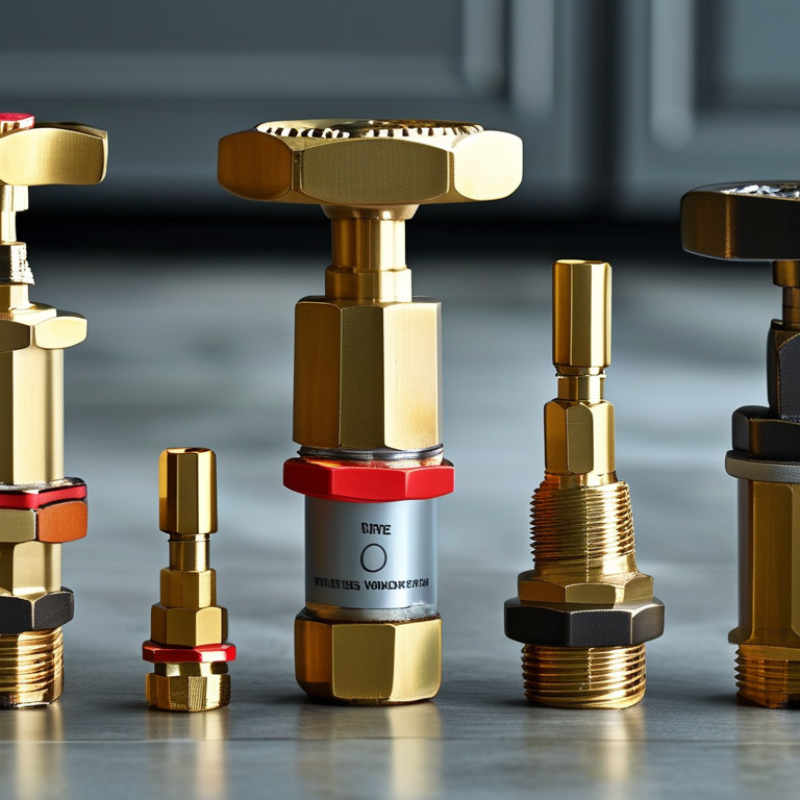
Define Media, Temperature, Flow, and Pressure Before Sizing an Angle Valve
How to Choose the Right Angle Valve for Global Buyers?
Define the media before comparing materials or connection sizes. Water, steam, oil, oxygen, and corrosive chemicals behave differently inside an angle valve. Check viscosity, suspended solids, and chemical compatibility. The wrong seal may swell, crack, or contaminate the process. ISO 8573-1 also classifies compressed-air quality by particles, water, and oil. This matters in pneumatic control lines.
Temperature changes material strength and seal performance. Record the normal temperature, peak temperature, and possible thermal shocks. Then identify inlet pressure, outlet pressure, and the maximum allowable pressure drop. IEC 60534-2-1 provides recognized control-valve sizing methods, including flow coefficient calculations. Do not size only by pipe diameter. Oversized valves often operate nearly closed, reducing control accuracy.
Flow data should include minimum, normal, and maximum demand. A practical example is a water line carrying 2 m³/h normally but 8 m³/h during cleaning. That range needs careful authority and cavitation checks. For compressed-air systems, the U.S. Department of Energy reports that leaks can waste up to 30% of compressor output. Small pressure losses matter. Measure the actual line conditions.
A spreadsheet helps, but field conditions are rarely perfect. Temperature readings may be taken too far from the valve. Pressure gauges can also be inaccurate. Recheck the assumptions before ordering. A cheaper valve is not cheaper when it sticks, leaks, or requires frequent replacement.
Match Pressure Ratings: ASME B16.34 Classes 150–2500 or EN Standards
For global buyers, pressure class should match the complete operating envelope, not the pipeline label.
ASME Class 150
About 285 psi at 100°F
ASME Class 600
Approximately 1,480 psi ASME Class 2500
Approximately 6,170 psi These values change with material and temperature.
Temperature matters greatly.
EN 12516-1:2014 uses PN designations, such as PN16, PN40, and PN420. PN16 is not automatically equivalent to ASME Class 150. The standards use different rating systems and reference conditions. Buyers should compare pressure-temperature tables, body materials, end connections, and test requirements. ISO 5208 can also help verify leakage performance during acceptance testing.
A practical specification should state normal pressure, maximum pressure, design temperature, fluid type, and pressure-test conditions. Add a safety margin based on credible surge data. An overlooked detail is pump start-up pressure. It can exceed steady pressure briefly. ASME B16.34 also requires rating reductions at elevated temperatures, which many basic quotations hide. That creates risk.
Check the actual standard edition.
Third-party inspection records improve reliability. Yet paperwork alone proves little if the valve body, trim, and bolting materials are not traceable. My cautious view is simple: choose the rating after reviewing the worst credible condition, not the average reading. Some projects still select Class 150 because the line normally operates below 150 psi. That shortcut deserves reconsideration.
Select Materials by Corrosion Data: Brass, Stainless Steel, or PVC
How to Choose the Right Angle Valve for Global Buyers?
Select Materials by Corrosion Data: Brass, Stainless Steel, or PVC
Water chemistry should guide material selection, not habit. Request chloride, pH, hardness, and disinfectant data before choosing an angle valve. A clear water sample can still contain aggressive dissolved salts. Measure temperature and pressure too. These details affect service life.
Brass offers strength, easy machining, and reliable threads for household plumbing. However, high chloride levels may cause dezincification, leaving a porous, weak structure. Ask for dezincification-resistant brass when local water data raises concern. In coastal projects, inspect samples after field use. Laboratory assumptions can miss real conditions.
Stainless steel performs well in many wet environments, but “stainless” is not a complete specification. Chlorides can trigger pitting, especially near stagnant joints. Compare the proposed grade with the water report and operating temperature. PVC does not rust or suffer electrochemical corrosion. It can suit corrosive water and chemical service. Yet sunlight, heat, impact, and threaded connections deserve attention. PVC may crack during cold installation or over-tightening.
Do not ignore mixed-metal connections. Galvanic corrosion can develop when dissimilar metals contact conductive water. Use compatible fittings and follow tested installation procedures. I have seen a valve fail early because the material choice was correct, but the connection design was not. That mistake is easy to repeat. Record the water data, valve alloy or polymer grade, pressure rating, and inspection findings before approving a global purchase.
Verify Port Size, Cv, Connections, and ISO 5208 Leakage Requirements
How to Choose the Right Angle Valve for Global Buyers?
Verify Port Size, Cv, Connections, and ISO 5208 Leakage Requirements
A reliable angle valve selection starts with the port size, not the price. Match the valve bore with the pipe’s internal diameter and expected flow range. A smaller port can create pressure loss, noise, and unstable control. Cv indicates the water flow, in US gallons per minute, at a one-psi pressure drop. However, Cv values are not directly comparable without checking test conditions, medium, and pressure differential. I have seen buyers choose a high Cv valve, then discover poor low-flow control during commissioning.
Connections need equal attention. Confirm thread type, flange standard, face-to-face dimensions, and sealing material. NPT, BSP, and metric threads are not interchangeable. A visible thread may fit briefly, but sealing failure can follow. Industry standards help reduce this risk. ISO 5208 defines six leakage-rate classes for industrial valves, including Rate A, which allows no visible leakage during testing. The test pressure and procedure still matter. A certificate without those details is incomplete.
Tips: Request the exact port size, Cv test basis, connection drawing, pressure class, and ISO 5208 leakage rate. Check whether the valve is tested with air, water, or another medium. The International Organization for Standardization identifies ISO 5208 as a production pressure-testing standard for industrial valves. That sounds simple, but purchasing teams sometimes treat “leak-tight” as a universal claim. It is not. A small mistake here can become an expensive field lesson.
How to Choose the Right Angle Valve for Global Buyers?
Compare common port sizes with representative full-open Cv screening values. Confirm the final Cv, connection standard, pressure rating, and ISO 5208 leakage rate with the valve datasheet before purchasing.
Port labels follow common nominal sizes used with threaded angle valves. Cv values are representative sizing ranges for comparison only; actual flow performance depends on valve geometry, fluid, pressure drop, and connection design. For shut-off service, specify the required ISO 5208 leakage rate separately.
Check Regional Compliance: NSF/ANSI 61, WRAS, CE, and RoHS
Choosing the right angle valve starts with regional compliance, not appearance or price. A valve for drinking water should use materials accepted for water contact. NSF/ANSI 61 is commonly requested in North America for these components. Check the certificate scope carefully. It should cover the exact valve body, seal, coating, and intended water conditions.
For the United Kingdom, WRAS approval may support acceptance in regulated water installations. Ask whether approval covers the complete valve or only specific parts. In the European market, CE marking may apply when the valve falls under relevant product directives. CE is not a general quality certificate. It confirms declared conformity with applicable requirements. RoHS matters when the valve includes electrical or electronic parts. A purely mechanical valve may not fall within its scope, but this assumption needs verification.
Documents must match the shipment. Request current declarations, test reports, material details, pressure ratings, and traceable production records. I have seen buyers accept a valid-looking certificate that covered a different model. That mistake is expensive. Check thread standards, inlet size, temperature limits, and local installation rules together. Ask for samples when seals or surface coatings touch potable water. Paperwork can be incomplete. Even experienced teams miss small differences between markets. A careful compliance review protects installation schedules and user safety.