2026 How to Choose the Right Diesel Light Tower for Your Needs?
Choosing the right Diesel Light Tower can greatly impact your project efficiency. As job sites often require reliable illumination, having the right equipment is crucial. Industrial tasks demand powerful lighting solutions, particularly overnight or in low-light conditions.
In this guide, we will explore essential considerations when selecting a Diesel Light Tower. Factors such as brightness, fuel consumption, and portability will be crucial to your decision. These specifications can influence both performance and operational costs. A robust light tower can enhance safety and productivity on site, but not all options are created equal.
Understanding your unique needs will help narrow down the best choices. While some towers may boast impressive features, reflecting on their practicality in your context is necessary. Balancing performance with logistics is key. By the end of this exploration, you'll have a clearer understanding of the Diesel Light Tower that meets your needs effectively.
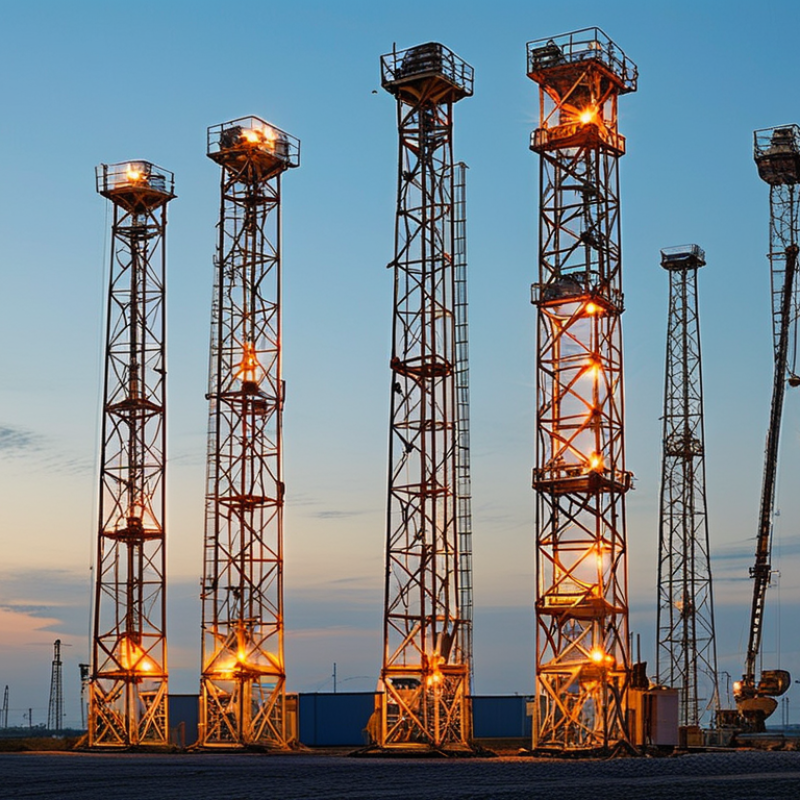
Understanding Diesel Light Towers: Key Features and Functions
Diesel light towers are essential for outdoor projects. They provide high-intensity illumination, making them indispensable at construction sites and events. Understanding their key features can help you choose the right one for your specific needs.
One critical feature is the lumen output. It determines how bright the light will be. Generally, a higher lumen output means better visibility. Consider the size of your area when making this decision. A small area might only need a few thousand lumens, while larger spaces can require double or triple that amount. It's important to assess your lighting requirements based on the project scale.
Tips: Always check fuel efficiency. A diesel light tower that consumes less fuel saves costs over time. Pay attention to the design and ease of transport, especially for jobs requiring relocation. Some units may need more thorough inspections and maintenance than others. Factor in the power source too. Different towers offer distinct power capacities that may influence your choice.
Consider the runtime as well. A model with a longer runtime will allow uninterrupted work. However, be ready for trade-offs: heavier models often provide longer runtimes but may be harder to transport. Think carefully about your priorities. There’s always a balance to strike between convenience and functionality.
Comparison of Diesel Light Tower Features
This chart compares the main features of various diesel light towers, focusing on their lumen output, fuel tank capacity, and runtime. This information can help you choose the right diesel light tower based on your specific requirements.
Assessing Power Requirements: Wattage and Lumens for Your Projects
When assessing power requirements for a diesel light tower, wattage and lumens play a crucial role. Wattage measures the amount of electrical power needed. You need enough for your tools and machinery. If you underestimate, you risk inadequate lighting and inefficiencies. Projects can suffer if your light tower cannot keep up.
Lumens measure brightness. More lumens mean better visibility at night. For large work areas, aim for higher lumens. In tight spaces, fewer lumens might suffice. Consider the environment you'll be working in. Reflected light and obstacles can impact visibility. Balancing wattage and lumens is key.
Finally, consider the duration of your projects. Longer projects may require higher-powered units. Think about fuel efficiency too. While a powerful unit may seem appealing, it might not always be necessary. Reflect on your actual needs. Take the time to analyze your specific requirements for the best results.
2026 How to Choose the Right Diesel Light Tower for Your Needs? - Assessing Power Requirements: Wattage and Lumens for Your Projects
| Application | Wattage Required | Lumens Output | Typical Run Time (hours) |
| Construction Site | 3000W | 30,000 lumens | 10 |
| Outdoor Event | 2000W | 20,000 lumens | 12 |
| Emergency Response | 5000W | 50,000 lumens | 8 |
| Film Production | 4000W | 40,000 lumens | 6 |
| Mining Operations | 6000W | 60,000 lumens | 10 |
Evaluating Fuel Efficiency: Gallons per Hour and Runtime Considerations
When choosing a diesel light tower, evaluating fuel efficiency is crucial. Understanding gallons per hour (GPH) is a key factor. A light tower's GPH indicates how much fuel it consumes while operating. This measurement directly affects your operational costs. Knowing this can help you plan your budget for long-term projects.
Runtime is another aspect to consider. A tower that runs longer reduces downtime. You want a model that maximizes use while minimizing refueling. Some units may promise high GPH but can lead to frequent stops. It’s essential to balance this with your project needs. Think about the duration of your work. Longer runtime often means better value in the long run.
Reflecting on these details might lead to changes in your choices. Don’t just look at initial costs; consider ongoing fuel consumption. Efficient models may have a higher purchase price but could save money over time. Take the time to assess layouts and fuel plans; it’s critical for success. Making informed decisions will pay off, but be open to learning from your experiences.
Portability and Size: Selecting the Right Configuration for Your Site
When it comes to selecting the right diesel light tower, portability and size are crucial factors. A compact unit may be ideal for smaller sites, allowing for easy transport and setup. However, larger sites may benefit from bigger models, providing more powerful lighting coverage. Each configuration serves different needs, so understanding your project requirements is essential.
Tips for choosing the right configuration include assessing your site size. Measure your work area to determine how much light you require. Think about the terrain, too. If the ground is uneven, a lighter model that can be easily moved is often a better option. Overall weight should also factor into your decision, especially for transport.
Remember to evaluate the power source. Some light towers run on diesel, providing longer operating times. However, this may hinder portability if weight becomes an issue. Consider your onsite fuel options and how they will impact your workflow. If reliable power is what you need, a bulkier unit may be justified, but be ready for the logistics involved.
Maintenance and Reliability: Factors to Ensure Long-term Performance
When selecting a diesel light tower, maintenance and reliability are key. A well-maintained unit can last up to 10,000 hours of operation. Regular inspections make a difference. Check for fluid levels, filters, and battery health. Industry data shows that proactive maintenance reduces downtime by 30%.
Using quality components also influences long-term performance. Diesel engines require clean fuel and good air filtration. Neglecting these areas can lead to reduced efficiency. A 2022 report found that poor maintenance practices could increase operational costs by 25%. Consider durable materials when choosing a light tower.
Field conditions vary. Heavy use in harsh environments demands more attention. Corrosion and wear can be issues. In some cases, replacement parts may not be easily accessible. A proactive service schedule helps mitigate these challenges. Reliable equipment directly impacts productivity. Addressing potential failures early is crucial. Even small details matter in the long run. Be mindful of how you maintain your diesel light tower.