(770) 529-4731
esen

How to Choose the Right Extruder Machine Parts?

Choosing the right Extruder Machine Parts is not just a purchasing decision. A screw, barrel, heater, or screen can affect output consistency, energy use, and maintenance intervals. The stakes are significant across plastics manufacturing. Plastics Europe’s Plastics—the Fast Facts 2024 report estimates that global plastics production reached 413.8 million tonnes in 2023. That figure does not tell us which component a specific line needs. It does show why dependable processing equipment matters. Small details matter.

Start with the material, operating temperature, screw speed, and target output. Then check dimensions, alloy, surface treatment, and compatibility with the existing machine. A screw designed for a different polymer may cause uneven melting or unstable pressure. A barrel with unsuitable wear resistance can require earlier replacement. These are practical risks, not guarantees; actual performance depends on the full process and maintenance history. There is no universal best part. This guide explains how to compare specifications, assess supplier documentation, and ask useful questions before ordering. It also points out where published data has limits: machine-specific testing remains important. A careful choice can support steady production, but only when the component matches the material, machine, and operating conditions.
How to Choose the Right Extruder Machine Parts?

What Are Extruder Machine Parts and What Functions Do They Serve?

Extruder machine parts form a processing line: they feed, melt, mix, pressurize, and shape material. PlasticsEurope’s 2024 report, Plastics – the Fast Facts, records 413.8 million tonnes of global plastics production in 2023. That scale makes dependable processing important, but the right components still depend on the material and operating conditions.

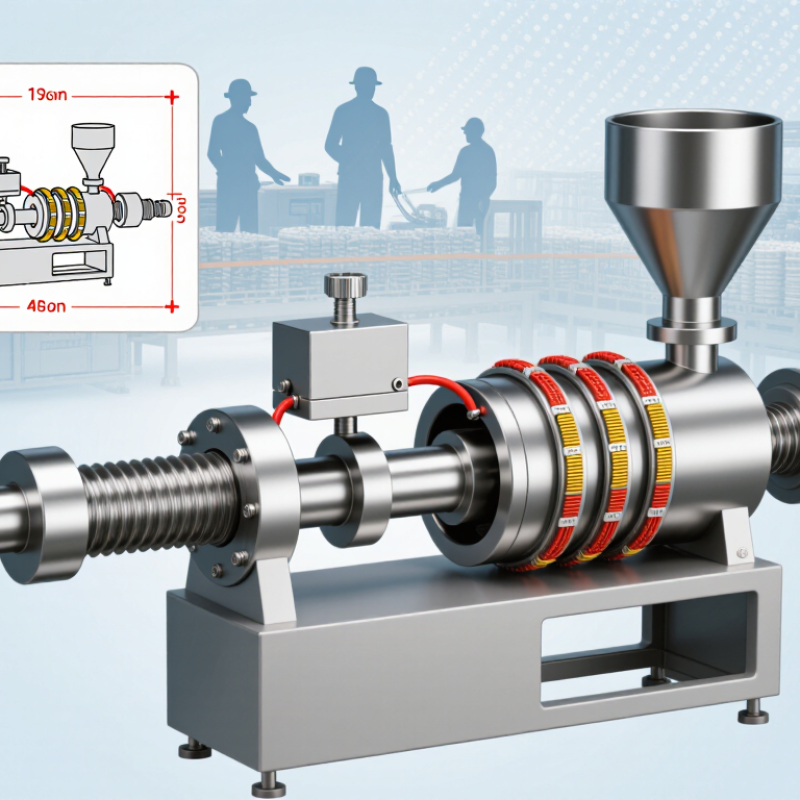
The screw moves material through the heated barrel; its flights help convey and mix the melt. The feed throat guides pellets into the barrel, while heaters and cooling zones control temperature. A gearbox supplies torque, and a screen pack can catch contaminants before the melt reaches the die. The die sets the product’s profile. Sensors track temperature and pressure, helping operators spot unstable conditions. A specification sheet can look convincing, yet still miss wear, material changes, or actual production needs. That is worth checking.

Tips: Match screw design, barrel wear resistance, and die opening to the resin and required output. Check temperature and pressure readings during a trial run. Small fluctuations matter. Replace worn parts based on measured condition, not guesswork alone.


How to Choose the Right Extruder Machine Parts?

Typical Polymer Melting-Point Ranges

Polymer melting behavior helps guide the selection of the screw, barrel, and die. The ranges shown are typical values, not recommended machine setpoints; actual processing temperatures depend on the material grade and application.

Which Operating Conditions Affect Part Selection?

Operating temperature is a major factor when selecting extruder parts. Heat can soften seals, accelerate wear, and change how materials move through the barrel. Check the actual melt and barrel temperatures during a full production run, not just the machine’s target setting. Small differences matter. Frequent temperature swings may also call for parts that tolerate repeated expansion and cooling.

Pressure, screw speed, and output rate shape the mechanical load. A screw running quickly with a highly filled compound may wear faster than one processing a smooth, unfilled resin. Abrasive fillers can score screw flights and barrel surfaces; corrosive ingredients may require more resistant materials. Match screw geometry and surface properties to the material and required throughput. Do not choose by output figures alone. A part that works at one speed may perform poorly at another.

Consider cleaning routines and changeover frequency, too. Tight clearances can support consistent processing, but they may complicate cleaning when materials cling to the screw or barrel. Record pressure, temperature, and wear patterns over several runs before replacing parts. A single inspection can be misleading. Operators sometimes focus on visible damage and miss gradual changes in output or melt quality; that is an easy mistake to make. If operating data is incomplete, treat the selection as provisional and verify performance after installation.

How Should You Match Parts to the Processed Material?

How to Choose the Right Extruder Machine Parts?

Matching extruder parts starts with the material’s behavior, not just its name. Check its viscosity, melt temperature, moisture sensitivity, and additives. Two grades of the same polymer can process differently. A screw designed for steady melting may struggle with a material that heats unevenly or contains heavy filler.

For glass-fiber-filled polymers, abrasive particles can wear screw flights and barrel surfaces faster. Wear-resistant construction may help, but the best choice depends on fiber loading and operating conditions. Hygroscopic materials, such as some polyamides, may need careful drying and stable feeding. A vented barrel can support devolatilization, but it cannot replace proper material preparation. Small details matter. Look at the feed throat, too; softening pellets there can interrupt flow before they reach the screw.

Match the screw’s compression and mixing features to the material’s needs. Heat-sensitive polymers may require gentler shear and close temperature control. High-viscosity materials can call for different channel depths or drive capacity. Use supplier data as a starting point, then compare it with actual melt quality, pressure, and output. A clean datasheet rarely captures every production condition. Trial runs may reveal that a theoretically suitable part creates hot spots or inconsistent feeding. Keep notes on material lots and settings; they make future part choices less like guesswork.

How Can You Assess Part Compatibility and Performance?

Assess compatibility from the machine outward: match the part number, drawing dimensions, shaft interface, mounting pattern, and operating limits. For a screw and barrel, compare diameter, length-to-diameter ratio, flight geometry, and clearance against the resin and process. A part that fits the housing may still create unstable pressure or uneven melt temperature. Check material and surface treatment against abrasive fillers, corrosion risk, and expected wear.

Measure the removed part where possible. Record dimensions, wear patterns, and processing conditions; photographs help, but they do not replace measurements. Then verify performance with the same resin and a controlled trial, tracking output, melt temperature, pressure, motor load, and energy per kilogram.

The U.S. Department of Energy’s “Improving Motor and Drive System Performance” sourcebook reports that motor-driven systems use about 54% of U.S. manufacturing electricity. That figure is not specific to extrusion, but it explains why gearbox and drive compatibility deserve attention.

Look for steady output, not just a successful startup. One caveat: a short trial may hide long-term wear. Recheck after production hours accumulate.

What Quality, Maintenance, and Supplier Factors Should You Verify?

How to Choose the Right Extruder Machine Parts?

A good parts choice starts with the material, output rate, and operating temperature—not the purchase price alone. Verify screw and barrel dimensions against the machine drawing, then check alloy composition, hardness, and surface finish. Ask for inspection records and material traceability. Small flaws matter. A poorly matched screw can cause uneven melt flow, extra wear, or inconsistent output. A checklist can still miss a mismatch, so compare measurements with the machine’s actual condition.

Maintenance needs shape the choice, too. Look for replaceable wear components, accessible lubrication points, and clear installation instructions. The U.S. Department of Energy’s Operations & Maintenance Best Practices Guide estimates predictive maintenance can save 8–12% over preventive maintenance and 30–40% over reactive maintenance. These are general maintenance estimates, not extruder-specific guarantees. Ask suppliers how they support inspection intervals, spare-part availability, and troubleshooting. Ask for evidence.

Check whether the supplier provides material certificates, dimensional inspection reports, realistic lead times, and written warranty terms. Confirm that replacement parts match your extruder’s model and process conditions. A low quote may omit testing or after-sales support. Compare the full operating cost, not just the invoice. If the supplier cannot explain tolerances or repair options clearly, pause and verify before ordering.