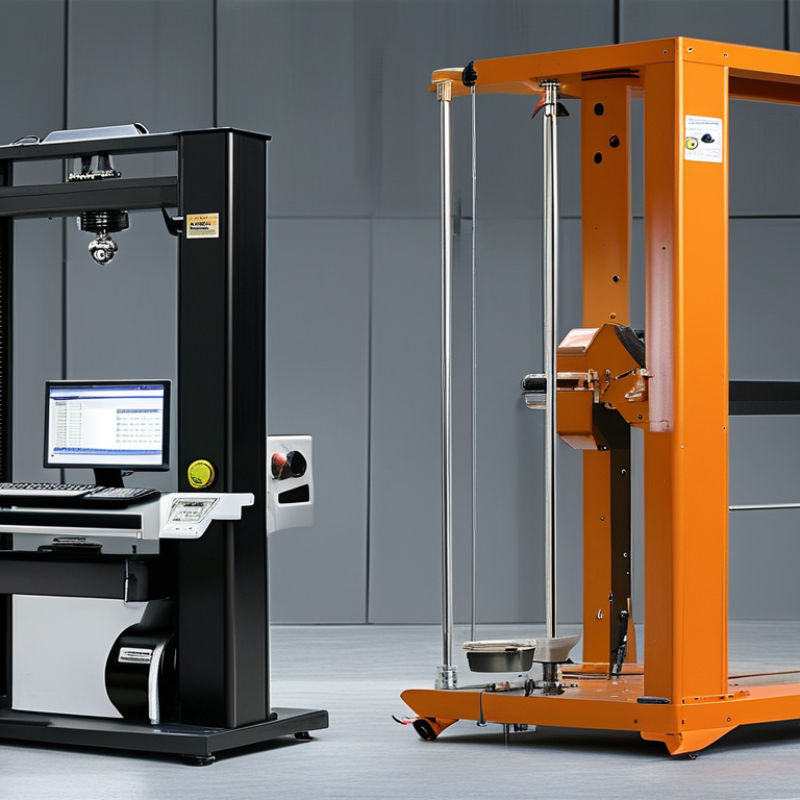
How to Choose the Right Impact Drop Test Machine for Testing?
Choosing the right Impact Drop Test Machine can greatly influence product safety and quality. Expert John Smith, an industry leader, states, "Selecting the proper machine ensures accurate results and better product design." This underscores the importance of making an informed choice.
When considering an Impact Drop Test Machine, understanding the specific requirements is crucial. Different machines offer varied capabilities, impacting not only test results but also production costs. Manufacturers should evaluate their needs carefully before making a purchase.
It's essential to look beyond general features. Investigate the machine's testing range, durability, and software support. Issues may arise if the machine does not meet specific testing criteria. Comprehensive research can mitigate risks associated with poor choices. A thorough analysis will lead to better decision-making in the long run.
Understanding the Importance of Impact Drop Tests in Quality Assurance
Impact drop tests play a crucial role in quality assurance. They help determine the durability of products under sudden impacts. During these tests, items are dropped from a specific height to mimic real-world conditions. This process reveals potential weaknesses in the design and materials used. Manufacturers rely on the results to make necessary adjustments.
Understanding the importance of these tests can be challenging. Many assume all products can withstand rough handling. However, hidden flaws often emerge. A product may look perfect but fail an impact test. Identifying these issues early can save time and money. It’s vital to invest in reliable testing methods to ensure safety and durability.
Using an impact drop test machine effectively requires knowledge. Operators must understand how variables like height and weight affect outcomes. The relationship between impact force and material resilience is complex. It's essential to reflect on these factors during the testing process. Inconsistent results may indicate a need for better calibration or testing techniques. This ongoing evaluation contributes to higher product reliability.
Key Features to Look for in an Impact Drop Test Machine
When selecting an impact drop test machine, understanding key features is crucial. The machine should have a reliable drop height adjustment system. This feature allows for precise control over impact dynamics. Additionally, a robust frame construction ensures durability. A solid base prevents unwanted vibrations during tests. These elements contribute to accurate and repeatable results.
Another important aspect is data acquisition systems. Look for machines equipped with advanced sensors and data logging capabilities. This allows for real-time analysis and easier adjustments. Furthermore, a user-friendly interface aids in navigating test configurations. Complexity can lead to operational errors. Simplifying the user experience is essential for effective testing.
Calibration and compliance are critical considerations as well. Testing machines should adhere to industry standards. Regular calibration ensures consistent performance. Users might overlook these aspects, leading to unreliable test results. It's important to reflect on past experiences to identify such pitfalls. Make sure to prioritize these key features to enhance your testing process.
How to Choose the Right Impact Drop Test Machine for Testing? - Key Features to Look for in an Impact Drop Test Machine
| Feature | Description | Importance | Recommended Specifications |
| Drop Height Range | The range of heights from which the item can be dropped during testing. | High | 0.5m to 2.0m |
| Weight Capacity | The maximum weight of the item that can be tested. | High | Up to 50 kg |
| Control System | The mechanism used to control the drop process and settings. | Medium | Digital with programmable options |
| Safety Features | Inbuilt features that ensure safety during testing. | High | Emergency stop, guard rails |
| Data Acquisition | Ability to collect and analyze data during tests. | Medium | Real-time data logging |
| Portability | Ease of moving the machine for different testing locations. | Low | Compact and wheeled design |
Types of Impact Drop Test Machines and Their Applications
When selecting an impact drop test machine, understanding the types available is crucial. Impact drop test machines can be categorized into two main types: free fall and pneumatic drop testers. Free fall testers measure the drop impact of products from a predetermined height. On the other hand, pneumatic drop testers utilize compressed air to control the drop height. Each type serves different applications based on product design and intended use.
Free fall testers are particularly suited for fragile items like electronics. According to industry reports, over 40% of electronic devices experience failures due to packaging issues. Pneumatic drop testers, however, are ideal for larger and heavier products, like furniture. They provide more accurate measurements as they eliminate variability in drop height.
Tips: Always consider the product's weight and fragility when choosing a tester. Moreover, assess the specific industry standards that relate to your product’s testing requirements. Not every machine suits every product. Research and match capabilities to prevent costly mistakes.
Evaluating the Accuracy and Reliability of Test Results
When selecting an impact drop test machine, accuracy and reliability of test results are crucial. These machines simulate real-life impacts. They help determine how products will withstand various stressors. A reliable machine provides consistent results over multiple tests. Consistency builds trust in the data gathered.
Understanding the testing parameters is key. Pay close attention to factors like drop height and weight of the test items. Incorrect settings can lead to misleading outcomes. In the realm of impact testing, small details can alter results significantly. Fine-tuning these settings ensures more reliable data. However, even with precision, unexpected variables can arise. It’s essential to regularly calibrate the testing equipment.
Evaluating results goes beyond just numbers. Analysis involves interpreting how well a product can endure drops. Rethinking testing methods is often necessary. Are you getting consistent results? Scrutinize your process for any possible flaws. The goal is simple: achieve testing that reflects real-world applications.
Impact Drop Test Machine Performance Evaluation
Budget Considerations and Cost-Effectiveness of Testing Equipment
When considering an impact drop test machine, budget is often a key factor. Understanding the cost-effectiveness of testing equipment can significantly influence your choice. Industry reports indicate that testing machinery can vary greatly in price, ranging from a few thousand to over a hundred thousand dollars. A well-chosen machine should not only align with your price range but also meet your testing needs effectively.
Many companies focus solely on the initial purchase price. However, ongoing operational costs are equally important. Maintenance, calibration, and technician training can add substantial expenses. A machine costing less initially might lead to higher long-term costs if it requires frequent repairs or lacks support. According to a recent study, nearly 40% of companies reported higher-than-expected maintenance costs for cheaper models. This highlights the need for a well-rounded financial approach.
Selecting a drop test machine involves balancing immediate budget constraints with future implications. Investing in a higher-quality machine might seem daunting financially but often results in better reliability and lower total cost of ownership. Industry experts suggest prioritizing features such as adaptability and precision, which can save money on re-testing. Companies that overlook these aspects may find themselves stuck with inadequate equipment, leading to costly delays and lost opportunities.