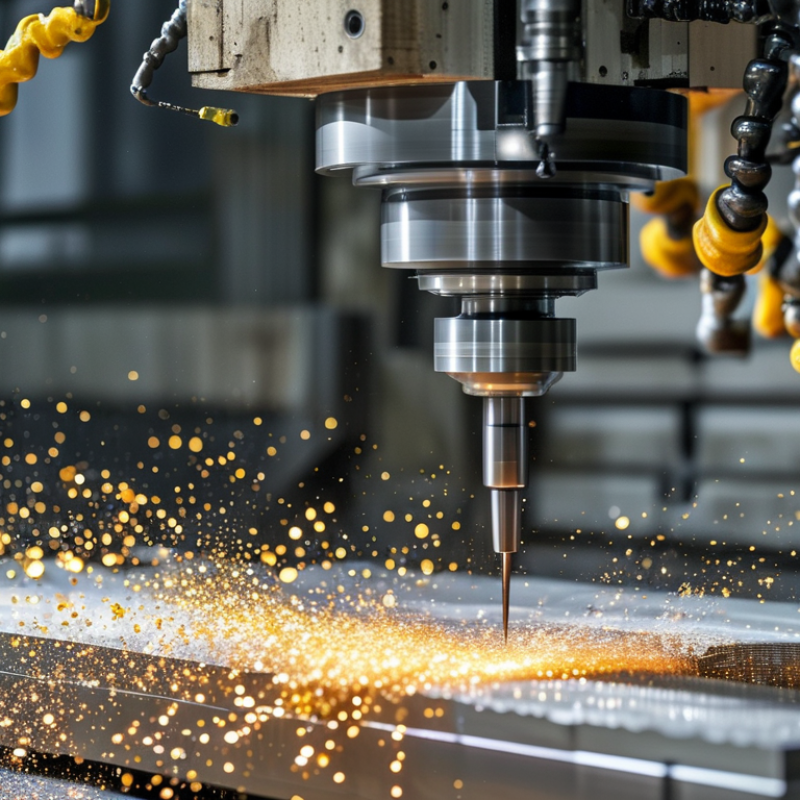
Top CNC Machining Services for Global Buyers in 2026?
The demand for CNC machining services continues to rise globally. In 2026, buyers are seeking precision and efficiency in manufacturing processes. This trend is driven by advancements in technology and an increasing need for customized solutions.
CNC machining services offer versatile options, from prototyping to large-scale production. They enhance product quality and reduce lead times. However, buyers must navigate a complex landscape of providers. Not all services deliver the same reliability or expertise.
Choosing the right CNC machining partner involves careful evaluation. Look for reviews and case studies that reflect their capabilities. Reflecting on your needs is crucial. Consider how their services align with your specific goals. This cautious approach helps ensure successful outcomes in an evolving market.
Top CNC Machining Services: An Overview of Global Industry Leaders
In 2026, the CNC machining landscape will witness significant changes. Major players are pushing boundaries in technology and efficiency. These companies are investing in advanced machinery, automation, and smart manufacturing techniques. This trend enhances production speed and precision. Adopting these innovations leads to cost-effective solutions and higher quality outcomes.
Global leaders in CNC machining showcase their expertise through reliability and industry knowledge. They navigate complex global supply chains with finesse. However, the sector faces challenges. Talent shortages and fluctuating material costs impact operations. Some companies struggle to maintain consistent output levels. Addressing these issues requires a commitment to workforce development and strong supplier relationships.
Customers benefit from having a diverse range of CNC machining services. Flexible production processes can meet varying demands. However, buyers must evaluate their partners carefully. Not all providers can deliver the same level of quality and service. Engaging with industry experts and analyzing capabilities is crucial for informed decision-making.
Key Factors Driving the Demand for CNC Machining in 2026
The demand for CNC machining is set to rise significantly in 2026. Several key factors are contributing to this trend. First, industries like aerospace, automotive, and medical are expanding. These sectors require high precision parts. CNC machining excels in producing intricate components. Additionally, the trend towards customization is growing. Manufacturers need agile solutions to meet specific needs.
Technological advancements play a crucial role. Innovations in CNC machinery enhance speed and efficiency. Companies can now produce complex designs with minimal waste. However, not all businesses can keep up with these technological shifts. This creates a gap between those adopting new tech and those relying on outdated methods.
Sustainability concerns also influence demand. There’s a push for eco-friendly manufacturing practices. CNC machining can reduce material waste effectively. It’s imperative for companies to adapt. However, not adopting sustainable practices may lead to lost opportunities. Failing to address these factors might hinder growth in an increasingly competitive landscape.
Top CNC Machining Services for Global Buyers in 2026
| Service Type | Global Demand (%) | Key Industries | Emerging Trends |
| Precision Machining | 30% | Aerospace, Automotive | Automation, AI Integration |
| Custom CNC Parts | 25% | Medical, Electronics | 5G Technology, IoT |
| Mass Production | 20% | Consumer Goods, Appliances | Sustainable Manufacturing |
| Rapid Prototyping | 15% | Industries, Startups | 3D Printing Integration |
| CNC Milling | 10% | Machinery, Tooling | Hybrid Manufacturing Technologies |
Emerging Technologies in CNC Machining: Trends to Watch
Emerging technologies are reshaping the landscape of CNC machining. In 2026, several trends will stand out. One major trend is the rise of automated CNC systems. These machines reduce human error and increase production efficiency. However, the reliance on automation requires skilled operators for maintenance and oversight. This presents a challenge in workforce training.
Another significant trend is the integration of AI in CNC processes. AI can optimize design and production workflows in real-time. It allows for adaptive machining based on material properties. Yet, businesses must be cautious. Over-dependence on AI can lead to unexpected issues, especially if systems fail.
Sustainability is also becoming crucial. Many manufacturers are adopting eco-friendly materials and energy-efficient practices. This shift promotes long-term viability. Companies must balance cost reduction with environmental responsibility. As CNC machining evolves, staying informed about these advancements is key. Adjustments in operations may be necessary to embrace these changes fully.
Top CNC Machining Services Trends to Watch in 2026
Evaluating Quality and Efficiency in CNC Machining Services
When evaluating CNC machining services, quality is a core factor. Precision is not just a requirement; it's an expectation. High-quality CNC machines are equipped with state-of-the-art technology. This ensures tighter tolerances and better surface finishes. Buyers must consider the certifications that suppliers hold. ISO certifications, for example, indicate a commitment to quality. However, not all companies maintain these standards consistently.
Efficiency is equally crucial. The speed of production can significantly impact overall project timelines. Quick turnaround times can be a double-edged sword. Companies must balance speed and quality. Fast production can lead to errors if oversight is lacking. Review processes in place are vital to maintain efficiency without sacrificing quality. Regular audits can enhance reliability, but they require effort and resources.
Finding the right CNC machining partner involves assessing both quality and efficiency. Buyers should look for transparency in processes. Clear communication about timelines and production capacities is essential. Some suppliers may promise rapid delivery but falter in execution. Expertise plays a crucial role in this industry. Collaborating with proven professionals can lead to improved results. Ultimately, making informed decisions can increase satisfaction and reduce costs.
Navigating Global Supply Chains for CNC Machining: Challenges and Solutions
In 2026, navigating global supply chains for CNC machining presents unique challenges. The CNC machining market is expected to grow significantly, with forecasts suggesting a value exceeding $100 billion by 2026. However, supply chain disruptions remain a key concern. Approximately 70% of manufacturers report delays due to geopolitical tensions and transportation issues. These factors can severely impact production timelines.
Furthermore, sourcing high-quality materials is becoming increasingly complex. Data from industry reports indicate that about 60% of suppliers struggle to maintain consistent quality. This inconsistency creates risks for manufacturers relying on precise specifications. Many organizations are investing in advanced technologies like AI and IoT to enhance supply chain visibility and improve quality control. Yet, the effective integration of these technologies remains a work in progress.
Moreover, workforce shortages pose an additional challenge. Many skilled laborers are nearing retirement age, leading to gaps in expertise. Reports show that the CNC machining sector faces a potential shortage of over 400,000 workers by 2025. As companies adapt, a focus on training and retention will be crucial. Identifying and addressing these issues will be essential for future success in CNC machining services.