Why Choose a Cold Storage Freezer for Your Business Needs?
In the rapidly evolving food service industry, the choice of equipment is crucial. A Cold Storage Freezer stands out as an essential solution. Mark Thompson, a renowned expert in temperature-controlled storage, emphasizes, "Having reliable cold storage is not a luxury; it's a necessity."
With increasing demands for freshness and efficiency, businesses must evaluate their storage needs carefully. A Cold Storage Freezer provides optimal temperature control, helping to preserve food quality and extend shelf life. It minimizes the risk of spoilage, which can be financially devastating.
However, not all cold storage options are created equal. Companies may face challenges in selecting the right type. Factors like size, energy efficiency, and insulation quality should be considered. By making informed decisions, businesses can invest in the solutions that truly meet their needs. A Cold Storage Freezer is more than just a unit; it’s a critical investment in a company’s long-term success.
Benefits of Cold Storage Freezers for Business Operations
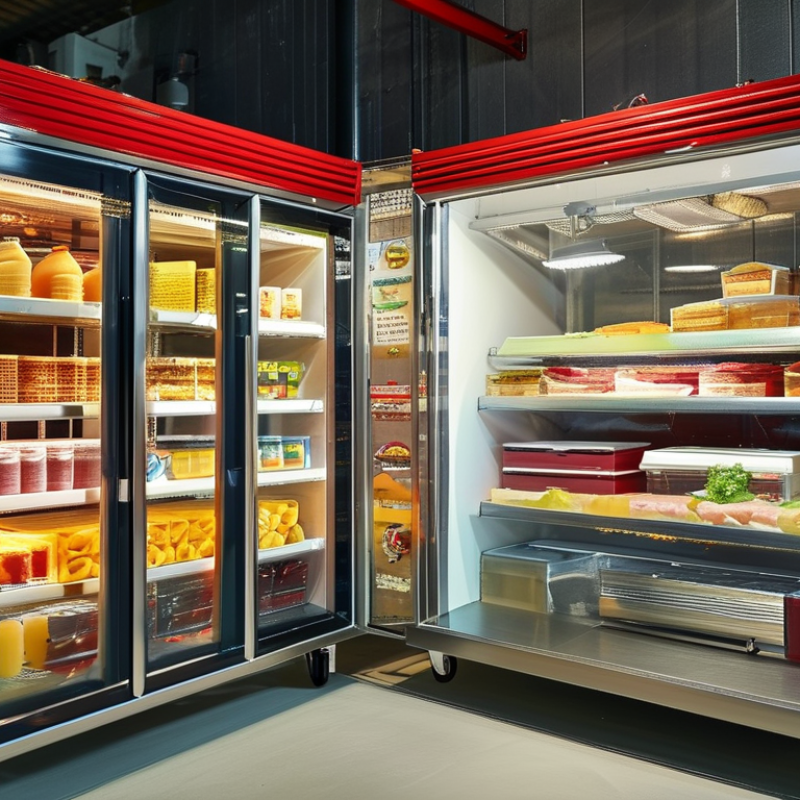
Cold storage freezers play a vital role in various business operations. They help preserve perishable items, ensuring quality and freshness. This is crucial for sectors like food service and pharmaceuticals. With reliable cold storage, businesses reduce waste and maintain customer satisfaction.
Tips: Consider your specific needs when selecting a cold storage freezer. Assess the temperature range and capacity required. Also, think about energy efficiency. A slightly more expensive model might save more on energy costs in the long run.
Investing in proper cold storage can streamline operations. It minimizes spoilage risks and extends product shelf life. However, businesses must monitor equipment regularly. Maintenance issues could lead to significant losses. Ensure proper training for staff on handling and maintaining these units. Regular audits of storage temps are necessary too. This attention to detail fosters a culture of reliability and trust.
Key Industries Utilizing Cold Storage Freezers
Cold storage freezers play a vital role in several key industries. The food and beverage sector heavily relies on them. According to a report by MarketsandMarkets, the global cold chain market is expected to reach $543.4 billion by 2027. Maintaining optimal temperatures prevents spoilage and ensures safety. For example, seafood must be kept at or below 32°F to retain freshness. Restaurants and grocery stores increasingly value these technologies for inventory management.
Pharmaceutical companies also benefit significantly from cold storage freezers. A study by Pharma Logistics reported that about 25% of medicines require refrigeration. Biologics and vaccines are particularly sensitive to temperature changes. Inadequate storage can compromise their efficacy. The industry faces challenges in maintaining the cold chain during transport, often leading to waste.
The floral industry, often overlooked, utilizes cold storage too. Flowers are highly perishable, and proper temperature control extends their lifespan. Research shows that flowers stored at optimal temperatures can last up to 30% longer. However, many growers still struggle with outdated storage methods, risking quality. These examples illustrate a few sectors that depend on reliable cold storage solutions for operational success.
Factors to Consider When Choosing a Cold Storage Freezer
When selecting a cold storage freezer for your business, several factors merit your attention. The size of the freezer is crucial. It needs to accommodate your products while allowing for air circulation. A unit that is too small could lead to spoilage. Conversely, an oversized freezer can waste energy and resources.
Temperature range also plays a key role. Each type of product has specific requirements for storage temperatures. Be mindful of these needs. Temperature fluctuations can harm your inventory. Accurate temperature controls are essential for maintaining product integrity.
Tips: Always consider energy efficiency. A unit that consumes less power can reduce operational costs. Evaluate different models based on energy ratings to make an informed choice. Additionally, think about the location. Does your space allow for proper ventilation? Poor ventilation may harm the freezer’s performance and increase wear and tear. Take your time to assess all these factors; rushing the decision can lead to costly mistakes.
Comparing Cold Storage Freezers with Other Refrigeration Solutions
Cold storage freezers play a critical role in various industries, particularly in food service and pharmaceuticals. When comparing them with other refrigeration solutions, several factors come into play. Cold storage freezers offer optimized temperature control. Studies show that maintaining precise temperatures can reduce spoilage by up to 30%. This not only saves money but also improves product quality.
Other refrigeration options, like standard refrigerators, often lack the specialized features needed for commercial use. Cold storage freezers come equipped with advanced monitoring systems, which ensure constant temperature regulation. In a recent industry report, it was noted that businesses using advanced refrigeration solutions report a 25% increase in inventory lifespan. Temperature fluctuations can lead to substantial losses. While traditional solutions may seem cost-effective, they can lead to more significant expenses due to wasted products.
Moreover, cold storage freezers are designed for high-volume storage, addressing the needs of bulk inventory. Smaller refrigeration units often require more frequent restocking. This can strain operations and resources. Cold storage solutions mitigate these issues, but not every business requires such extensive facilities. An awareness of operational needs is essential. Reflecting on these aspects helps businesses make informed decisions about their refrigeration choices.
Comparing Cold Storage Freezers with Other Refrigeration Solutions
Maintenance and Efficiency Tips for Cold Storage Freezers
Cold storage freezers are essential for various businesses. They ensure the safety and quality of perishable items. However, maintaining these freezers efficiently is crucial for cost-effectiveness. According to the U.S. Department of Energy, proper maintenance can improve energy efficiency by up to 30%. This means lower operational costs and a reduced carbon footprint.
Regular maintenance tasks are straightforward. Checking door seals and temperature settings are primary steps. A worn seal can cause overworking of the compressor, leading to increased energy usage. Studies indicate that replacing faulty seals can save about 10% in energy costs annually. It's essential to monitor these details consistently, even if they seem minor.
Another vital aspect is organizing the storage. A cluttered freezer can impede airflow, leading to hot zones. This inefficiency can lead to spoilage, negating the benefits of cold storage. Implementing best practices can reduce food waste significantly. According to a report by the Food and Agriculture Organization, properly managed cold storage can minimize spoilage by up to 25%. Regular checks and repairs create a reliable cold chain, promoting efficiency and sustainability in business operations.
Why Choose a Cold Storage Freezer for Your Business Needs? - Maintenance and Efficiency Tips for Cold Storage Freezers
| Feature | Importance | Maintenance Tips | Efficiency Strategies |
| Temperature Control | Essential for product safety and quality | Regularly check and calibrate thermometers | Optimize door opening frequency |
| Energy Efficiency | Reduces operational costs | Clean condenser coils regularly | Invest in energy-efficient models |
| Storage Capacity | Affects inventory management | Organize products to maximize space | Use shelving to increase vertical storage |
| Defrosting System | Prevents ice buildup | Schedule routine defrosting | Utilize automatic defrost systems |
| Temperature Alarms | Alerts to potential issues | Test alarms regularly | Connect alarms to remote monitoring systems |