What is a Compressor Parts Guide for Global Buyers?
In the global marketplace, efficient operations rely heavily on the integrity of compressor parts. According to a report by MarketsandMarkets, the global compressor parts industry is projected to reach $20 billion by 2026, reflecting its critical role in various sectors such as HVAC, automotive, and manufacturing. As buyers navigate this intricate landscape, understanding the nuances of compressor parts becomes essential.
The reliability of compressors significantly impacts energy efficiency and operational costs. A study by the U.S. Department of Energy highlights that improper maintenance or subpar components can lead to energy losses of up to 30%. Buyers must scrutinize their suppliers and ensure they source high-quality parts. However, not all regions adhere to the same standards, complicating the procurement process.
Navigating this market requires expertise and awareness of local conditions. Variations in material quality and design can result in performance disparities. Buyers should be cautious, as even minor discrepancies can lead to significant operational challenges. Understanding the compressor parts ecosystem is vital for informed decision-making.
Overview of Compressor Parts: Types and Functions in Global Markets
Compressor parts play a critical role in various industries, influencing efficiency and operational longevity. In global markets, understanding the types and functions of these components is essential. For instance, pistons are common in reciprocating compressors, converting energy into mechanical work. Studies estimate that over 70% of industrial compressors utilize this design due to its adaptability.
Another significant component is the rotor found in rotary screw compressors. This part reduces maintenance needs and increases reliability. Recent industry reports indicate that rotary screw compressors hold approximately 50% of the market share due to their efficiency and compact design. However, buyers often face challenges in selecting the right types for specific applications, which can lead to costly mistakes.
The marketplace for compressor parts is diverse. From air filters to valves, each component has unique specifications. While some buyers rely on manufacturers' claims, it's crucial to involve expert analysis for critical purchases. A lack of understanding could result in downtimes or operational inefficiencies. Reliable sourcing of compressor parts requires both knowledge and experience to navigate this complex landscape.
Key Components of Compressors: Understanding Their Roles and Specifications
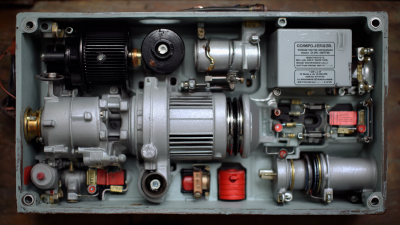
Compressors play a vital role in various industries, from refrigeration to air conditioning. Understanding the key components of compressors helps buyers make informed decisions. The main parts include the motor, cylinder, valves, and oil separator. Each component serves a specific purpose. For example, the motor powers the compressor, while the cylinder compresses the gas.
The valves control the flow of gas into and out of the cylinder. An efficient valve system is crucial for optimal performance. An oil separator is essential in preventing oil from entering the compressed gas stream, which can affect system efficiency. It's important to examine the specifications of these components closely. Not all parts are created equal, and the quality can vary.
Buyers should also consider compatibility with existing systems. Some components may require modifications for proper integration, which could lead to additional costs. Researching suppliers and understanding materials used in construction can prevent future issues. Failing to recognize these details can lead to inefficiencies and increased operational costs over time. Potential buyers should weigh these factors carefully.
Market Trends: Demand for Compressor Parts Across Different Industries
The demand for compressor parts is surging across various industries. Manufacturers in sectors such as refrigeration, automotive, and HVAC are investing in replacement parts. This trend highlights the importance of reliability and efficiency in compressor systems. Companies require parts that can withstand varying operational conditions. Each industry has unique needs that influence their purchasing decisions.
For instance, the automotive sector emphasizes durable and lightweight components. High-performance compressors are vital for modern vehicles. Meanwhile, the refrigeration industry seeks energy-efficient parts to comply with environmental standards. These trends reveal a growing awareness of cost-effectiveness and sustainability. Buyers face challenges in sourcing high-quality parts amidst a competitive market landscape.
Navigating this complex market requires expertise and strategic planning. Suppliers need to build trustworthy relationships with manufacturers. Understanding the specific demands of each industry is key. Buyers should focus on suppliers that demonstrate a proven track record and robust quality control. This approach helps mitigate risks and ensures the sustainability of operations.
Factors Influencing Compressor Part Selection: Quality, Cost, and Compatibility
When selecting compressor parts, three main factors come into play: quality, cost, and compatibility. Each factor profoundly influences the performance and longevity of equipment. High-quality parts are essential. They ensure efficiency and reduce the likelihood of breakdowns. However, finding these parts can come at a premium price. Buyers often need to balance their budget with the quality they desire.
Compatibility is often overlooked but crucial. Using the wrong parts can lead to suboptimal performance or even damage. It's vital to check specifications and manufacturer guidelines. This attention to detail can save money in the long run. It’s worth investing time in research, ensuring that selected parts match your compressor model perfectly.
One important point to reflect on is the temptation of opting for cheaper alternatives. While cost savings can be tempting, they may lead to complications later. Quality issues might arise, impacting your compressor's reliability. Prioritizing well-reviewed and endorsed components may initially cost more but frequently pays off with fewer repairs and upgrades needed.
Maintaining an updated knowledge about advancements in compressor parts can help buyers make informed decisions. Engaging with industry experts or forums can offer practical insights. Consider feedback from other users who share their experiences online. These reflections will guide you in making better purchasing decisions.
Factors Influencing Compressor Part Selection
This chart illustrates the various factors influencing the selection of compressor parts, showcasing their relative influence levels on a scale from 1 to 10. Quality is considered the most critical factor, followed closely by cost and compatibility.
Global Sourcing Strategies: Best Practices for Buyers in the Compressor Industry
Global sourcing strategies play a critical role in the compressor industry. Buyers face complex decisions when selecting components. According to a recent report by Market Research Future, the global compressor market is expected to reach USD 35 billion by 2025. This growth highlights the need for effective sourcing strategies.
Buyers should prioritize supplier reliability and access to quality parts. In a dynamic market, having a diverse supplier base can mitigate risks related to supply chain disruptions. A 2022 survey by McKinsey indicated that 58% of companies faced delays in parts availability. This emphasizes the importance of evaluating alternative suppliers to ensure operational continuity.
Collaboration between buyers and suppliers is another vital aspect. Open communication can lead to better understanding and innovation. However, many buyers overlook this, focusing solely on cost. The risk of poor quality components increases with solely price-driven decisions. Achieving a balance between cost and quality will yield long-term benefits and resilience in the supply chain.