How to Customize Valve Guides for Optimal Engine Performance?
Optimizing engine performance requires precision in many components, especially valve guides. Valve guides play a critical role in ensuring the proper alignment and function of the engine's valve system. A study by the Society of Automotive Engineers (SAE) shows that well-customized valve guides can improve engine efficiency by up to 12%. This significant enhancement translates to better power delivery and fuel efficiency, which are vital in today’s highly competitive automotive market.
Valve Guide Customized is not just a trend; it’s becoming a necessity. As engine technologies evolve, the demand for high-performance tailored components increases. Customization addresses issues such as friction reduction and thermal expansion, which standard parts may not efficiently handle. However, this process demands meticulous precision and expertise. Even minor adjustments can lead to significant performance changes, requiring thoughtful evaluation.
Moreover, integrating new materials and advanced manufacturing techniques into valve guide design can lead to unprecedented improvements. However, it also presents challenges. Many engineers struggle to balance cost-effectiveness with the pursuit of top performance. This reflects a wider industry concern: can we achieve optimum results without compromising on budget constraints? Engaging in this challenging yet rewarding endeavor is crucial for engine performance enhancement.
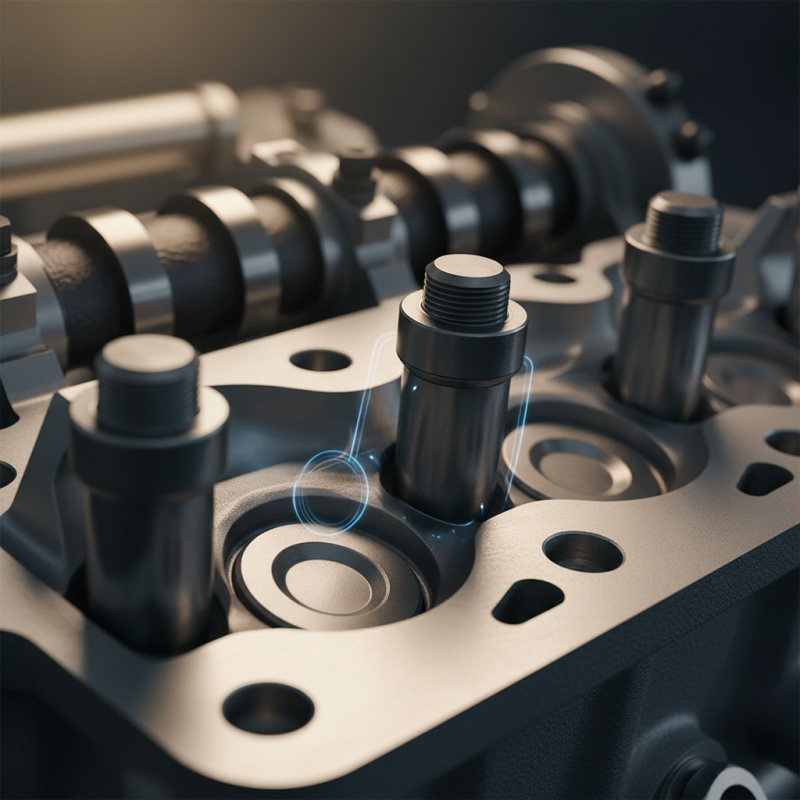
Understanding the Role of Valve Guides in Engine Performance
Valve guides play a critical role in the overall performance of an engine. They support the valves, ensuring proper alignment and function. When valve guides are not properly customized, issues can arise. These can include increased wear, poor sealing, and even loss of power.
To achieve optimal performance, it’s essential to understand how valve guides interact with other components. The material and design of the guides directly influence the valve's motion. For instance, improperly sized guides can lead to excessive clearance. This can cause the valves to rattle or stick. The right fit ensures smoother operation and better sealing.
Customization often involves adjusting the guide’s height and diameter. Precision in these adjustments is critical. However, it’s easy to overlook small details, like surface finish or alignment. These factors can significantly impact performance. Not every engine builder gets it right on the first try. It’s essential to reflect on previous mistakes and learn. The journey to perfecting valve guides is ongoing, but the results can lead to enhanced engine responsiveness and efficiency.
Materials Used for High-Performance Valve Guides
Selecting the right materials for high-performance valve guides is crucial for enhancing engine efficiency. Traditional materials like bronze have served well, but newer alloys are fast gaining traction. For instance, nickel-based alloys can withstand higher temperatures, offering better wear resistance. A report by the Society of Automotive Engineers suggests that these materials can improve engine longevity by up to 30%.
Another promising option is polymer composites. They provide low-friction properties, reducing energy loss in valvetrain systems. Tests indicate that polymer guides can decrease friction by 50% compared to metal guides. However, some engineers express concerns about long-term stability under extreme conditions. This uncertainty calls for more in-depth research and testing.
Each material has its pros and cons. While certain alloys may enhance heat tolerance, they can be more costly to produce. Additionally, the installation process can vary significantly. Precision is key to ensure optimal performance. Engineers often find that customization in design can help balance cost and efficiency. Continued exploration in material science is essential for achieving peak performance in valve guide applications.
How to Customize Valve Guides for Optimal Engine Performance? - Materials Used for High-Performance Valve Guides
| Material Type | Thermal Conductivity (W/m·K) | Weight (kg/m³) | Maximum Operating Temperature (°C) | Cost ($ per kg) |
| Bronze | 120 | 8500 | 300 | 5.00 |
| Aluminum | 205 | 2700 | 200 | 3.00 |
| Steel | 50 | 7850 | 600 | 2.00 |
| Titanium | 22 | 4500 | 900 | 30.00 |
| Carbon Composite | 10 | 1500 | 300 | 15.00 |
Techniques for Sizing and Shaping Valve Guides
Customizing valve guides is essential for maximizing engine performance. A precise fit ensures optimal airflow. The size and shape of valve guides can significantly impact engine efficiency. Start by measuring the original guides. Use calipers for accuracy. It’s important to consider the engine’s specific requirements. Adjusting dimensions can lead to better sealing and less wear.
Shaping valve guides requires attention to detail. Begin with filing and sanding to reach desired contours. This step influences how well the valves operate. Balanced shaping improves airflow dynamics. Each guide should align perfectly with its corresponding valve seat. Sometimes, errors occur. Misalignment can reduce performance. Keeping a close eye on the fit during this process is crucial.
Experimenting with different shapes can yield varying results. Not every modification is beneficial. Some tweaks might actually hinder performance. It’s a trial-and-error situation. Documenting changes helps track what works. Small adjustments can have a big impact. Ensure that each guide is also thoroughly cleaned post-modification. Contaminants can cause significant problems over time. The goal is to achieve an ideal setup for your specific engine needs.
Factors Affecting Valve Guide Installation and Alignment
Proper installation and alignment of valve guides are crucial for engine performance. Misalignment can cause premature wear. It affects the sealing of the valves and can lead to leaks, which reduces efficiency. The choice of materials also matters. For example, softer materials might wear down quickly due to friction. This wear can alter the valve's positioning over time.
Temperature and pressure are significant factors. High temperatures can cause thermal expansion, which impacts alignment. Choosing the right clearance is vital. Too tight, and the valves may jam. Too loose, and the engine may lose power. Regular inspection is necessary. Even slight misalignments can drastically change performance. Reflect on your installation methods; they might not be as precise as you think. Attention to detail is everything in achieving optimal performance.
Testing and Tuning Valve Guides for Optimal Results
Testing and tuning valve guides can significantly enhance engine performance. Begin by ensuring the guides are properly aligned. Misalignment can lead to uneven wear and increased friction. Use precise measuring tools for accurate adjustments. Focus on the clearance between the valve stem and guide. Too much space can cause valve instability, while too little can lead to binding.
Next, perform dynamic tests to assess performance gains. Monitor changes in power and RPM as adjustments are made. Note that tuning can be a trial-and-error process. Sometimes, the desired outcome may not be achieved on the first attempt. Small changes in clearance can yield unexpected results. Be prepared to refine your approach based on feedback from testing.
Additionally, consider the materials of the valve guides. Each material performs differently. Some might provide better heat resistance, while others offer improved durability. Don’t overlook this aspect during your tuning process. Regularly review your tuning results. Reflect on what adjustments work best and learn from any missteps. Each engine is unique; what works for one may not suit another.
Engine Performance Optimization through Customized Valve Guides