How to Effectively Manage Industrial Solid Waste in China?
Industrial Solid Waste management is a pressing issue in China. As the country continues to grow, the challenges related to waste disposal become more complex. According to Dr. Li Wei, an expert in environmental engineering, "Effective management of Industrial Solid Waste is crucial for sustainable development." His insights emphasize the need for better practices to minimize the environmental impact.
In many regions, factories generate large amounts of Industrial Solid Waste. These waste products often contain hazardous materials. Without proper management, they can harm soil and water sources. The lack of adequate disposal and recycling methods amplifies these risks. Many industries still do not prioritize eco-friendly practices, which can lead to serious pollution issues.
China recognizes the urgent need for innovation in waste management. Efforts are being made to develop comprehensive strategies. However, the current systems often fall short. Stakeholders must rethink their approaches. Engaging in more sustainable practices is not just beneficial; it is essential for the environment and public health. The complexity of the situation warrants ongoing dialogue and reflection.
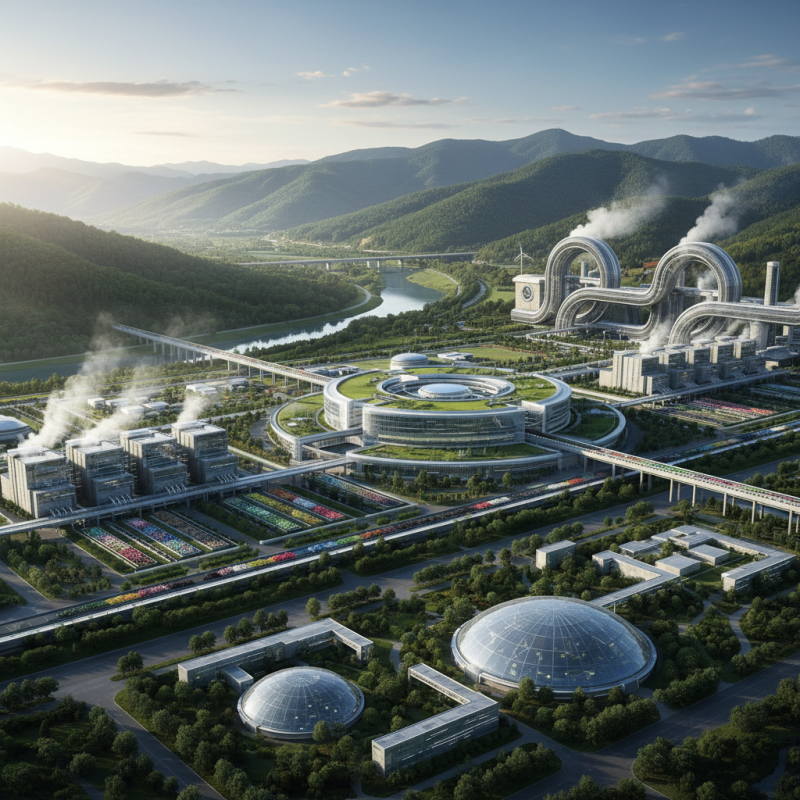
Current State of Industrial Solid Waste Management in China
China faces significant challenges in managing industrial solid waste. Currently, a considerable amount of this waste is generated each year, affecting the environment and public health. Inefficient disposal methods often lead to land pollution and harmful emissions. Many industries lack proper recycling and treatment facilities, exacerbating the problem.
Tips: Regular audits of waste generation can help identify improvement areas. Understanding waste types allows for better management strategies.
Furthermore, regulations exist, but enforcement is weak. Many companies prioritize profit over compliance. This mindset hinders sustainable practices. Engaging local communities may foster better practices and increase accountability.
Tips: Collaborating with local groups can enhance transparency. Providing training can empower employees to participate actively in waste management efforts.
How to Effectively Manage Industrial Solid Waste in China?
| Waste Type | Quantity Generated (Million Tons) | Recycling Rate (%) | Management Method | Challenges |
| Metals | 25 | 70 | Recycling and Reuse | Low awareness among industries |
| Plastics | 15 | 30 | Landfilling and Energy Recovery | Lack of proper sorting facilities |
| Construction Waste | 40 | 50 | Recycling and Landfilling | Inefficient collection systems |
| Chemical Waste | 5 | 20 | Incineration | Safety concerns and regulations |
| Electronic Waste | 10 | 25 | Recycling | Informal recycling practices |
Key Regulations and Policies Governing Solid Waste in China
China faces significant challenges in managing industrial solid waste. Key regulations, such as the Solid Waste Pollution Prevention and Control Law, set strict guidelines for waste disposal. According to the Ministry of Ecology and Environment, industrial solid waste generated reached over 1.5 billion tons in recent years. This massive figure highlights the urgent need for effective regulation and management practices.
Recent policies encourage recycling and resource recovery. The "13th Five-Year Plan for Ecological and Environmental Protection" aims to enhance waste reduction. However, implementation gaps exist. Many enterprises struggle to comply due to inadequate infrastructure and insufficient funding. A report from the National Bureau of Statistics indicated that only 30% of industrial solid waste is currently recycled, reflecting a lack of efficiency in the system.
The role of local governments is critical here. They are tasked with enforcing regulations and promoting best practices. However, the disparity in local capabilities can lead to inconsistent enforcement. Some regions lack the necessary expertise to manage waste effectively. These challenges underscore the complexity of solid waste management in China. Addressing these issues is essential for improving environmental sustainability and public health.
Effective Technologies for Treating Industrial Solid Waste
China faces significant challenges in managing industrial solid waste, with millions of tons generated annually. Effective technologies are essential for addressing this issue. One promising method is thermal treatment, such as incineration. This process reduces waste volume by up to 90%, converting solid waste into energy. According to the National Bureau of Statistics, about 60% of China's industrial waste is currently treated using thermal methods.
Another effective technology is biological treatment, particularly for organic waste. This approach uses microorganisms to decompose organic materials, producing compost that can enrich soil. Reports suggest that biological methods could handle an estimated 30% of total industrial solid waste. However, the efficiency of these processes can vary, and there is a need for ongoing research and development to improve effectiveness.
On the other hand, recycling remains crucial. However, recycling rates for industrial waste in China lag behind those of developed nations. Many facilities lack proper sorting technologies, which hinders recovery rates. It's essential to invest in advanced sorting and processing technologies to enhance recycling efforts. Reflecting on these challenges highlights the need for a more integrated waste management strategy that combines various treatment methods.
Effectively Manage Industrial Solid Waste in China
Strategies for Reducing Waste Generation in Industries
In recent years, industrial solid waste management in China has become a pressing issue. Industries generate over 400 million tons of solid waste annually, a staggering figure that highlights the urgency for effective reduction strategies. The first step in managing this waste is to implement waste minimization techniques. By optimizing production processes, industries can significantly reduce material consumption.
Tips: Regularly audit your production processes. Identify areas of high waste generation. Make targeted adjustments that can lower unnecessary waste.
Recycling and reusing materials also play a crucial role. Estimates show that recycling can reduce solid waste by up to 30%. Industries should invest in technologies that enable the recovery of valuable materials from waste streams. This not only decreases total waste but also generates economic benefits.
Tips: Partner with local recycling firms. Establish systems that encourage employees to participate in waste separation. These small actions can lead to significant reductions in waste volume.
However, challenges remain. Many industries still view waste management as a secondary concern. Integrating sustainable practices into the core of business operations requires a cultural shift. Prioritizing waste reduction can lead to a more sustainable future for both industries and the environment.
Case Studies of Successful Solid Waste Management Practices in China
China faces significant challenges in managing industrial solid waste. However, some regions have successfully implemented effective systems. These case studies highlight innovative practices that can serve as blueprints for wider adoption.
In Guangdong, companies focus on waste segregation at the source. Factories are required to classify waste materials, such as plastics and metals, before disposal. This practice not only reduces contamination but also increases recycling rates. The province has established partnerships with recycling firms. This collaboration fosters a circular economy. However, the implementation lacks uniformity across districts, leading to varied results.
In Jiangsu, an innovative waste-to-energy facility has emerged. It converts waste into energy, reducing landfill dependency. The facility utilizes advanced technologies to minimize emissions. Local communities benefit from electricity generation. Yet, there are concerns about the potential environmental impact. The community remains divided on its effectiveness, highlighting the need for ongoing monitoring and improvement. These scenarios reflect both successes and the complexity of industrial waste management in China.