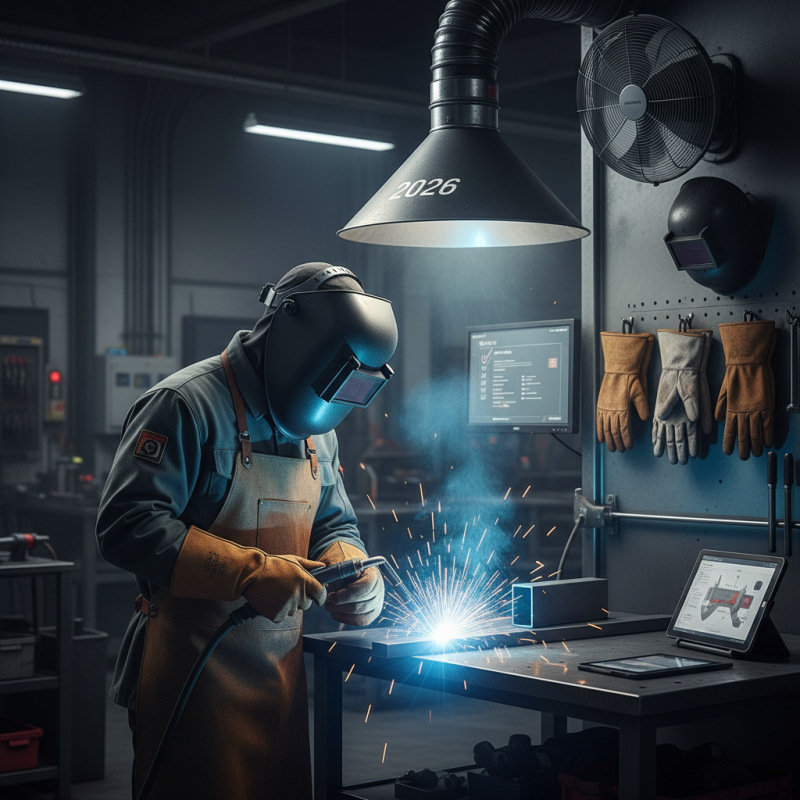
2026 How to Ensure Effective Welding Protection Safety?
Welding Protection is essential for maintaining safety in environments where welding occurs. The welding process exposes workers to various hazards, including intense heat and harmful fumes. Effective protection measures can mitigate these risks. Proper equipment and safety protocols create a safer environment for welders.
Understanding the various types of welding protection available is crucial. This includes gloves, helmets, and protective clothing. Each piece of equipment plays a vital role in shielding the welder from burns and injuries. However, even the best gear can fail if not used correctly.
Reviewing current practices often reveals gaps in safety procedures. Some welders may overlook the importance of proper ventilation. Others might neglect regular maintenance of their protective gear. Continuous education and reminders about welding protection are necessary for fostering a culture of safety in the workplace.
Understanding the Importance of Welding Protection Safety Measures
Welding protection safety is crucial in the industry. According to the Bureau of Labor Statistics, over 500 welders are injured on the job each year. Many injuries stem from inadequate safety measures. These include burns, eye injuries, and respiratory issues. Proper protective gear is essential. Helmets, gloves, and flame-resistant clothing can help prevent serious harm.
Training workers is equally important. A study by the American Welding Society highlighted that companies providing safety training saw a 20% reduction in workplace accidents. A well-informed workforce is a safer workforce. Regular refresher courses keep safety practices fresh. Yet, many employers overlook ongoing training. This gap could lead to increased risks on the job.
There’s also human error to consider. Welders may become complacent, thinking they know all safety protocols. This mindset can lead to accidents. Real-life incidents often reveal that safety measures were not consistently followed. Workers must be reminded that safety is an ongoing commitment. The importance of welding protection cannot be overstated. Prioritizing safety measures ultimately saves lives and prevents injuries.
Common Hazards Associated with Welding and Their Impact on Health
Welding operates in a hazardous environment. Common risks include exposure to intense light, fumes, and high heat. These dangers can lead to serious health issues. Sparks can cause burns, while ultraviolet rays damage eyesight. Fumes contain toxic substances that affect lung health. Protecting against these risks is vital.
Welders often underestimate the impact of these hazards. Ignoring protective gear can have lasting effects. Simple precautions, like wearing helmets and gloves, are essential. Yet, workers sometimes find them uncomfortable or cumbersome. This leads to neglecting vital safety measures. Assessing the workplace for potential dangers is crucial.
Training is another missed opportunity. Many welders don't receive adequate education on health risks. Proper knowledge can empower them to make safer choices. Regular reminders and safety drills can reinforce the importance of protective equipment. A culture of safety needs to be nurtured in every workshop.
Essential Personal Protective Equipment (PPE) for Welders
Welding safety is paramount, and personal protective equipment (PPE) plays a crucial role. Welders face various hazards, including sparks, heat, and ultraviolet light. Proper gear protects them from these dangers. Essential PPE for welders includes helmets, gloves, and protective clothing. A well-fitted helmet shields the eyes and face from intense light.
Gloves are also important, but not all gloves provide the same level of protection. Welders need gloves that are heat-resistant and durable. Sometimes, welders might choose comfort over protection, which can lead to injuries. Protective clothing, like flame-resistant jackets, should be worn at all times. It's a mistake to think regular clothing is enough.
Additionally, respiratory protections should not be overlooked. Welders often work in environments with harmful fumes. Using a suitable respirator is crucial for long-term health. However, some may forget to replace filters regularly. This oversight can compromise safety. Each piece of PPE is vital in reducing the risk of injury. Reflecting on gear choices and their effectiveness is essential for maintaining a safe work environment.
2026 How to Ensure Effective Welding Protection Safety? - Essential Personal Protective Equipment (PPE) for Welders
| PPE Type | Description | Key Features | Recommended Standards |
| Welding Helmet | Protects the face and eyes from harmful radiation and sparks during welding. | Auto-darkening filter, adjustable headband, lightweight design. | ANSI Z87.1, ISO 4871 |
| Flame-Resistant Clothing | Prevents ignition from sparks and molten metal splatters. | 100% cotton or treated fabrics, long sleeves, high neck. | ASTM F1506, NFPA 70E |
| Welding Gloves | Protects hands from heat and sparks during welding operations. | Padded palm for grip, long cuffs for forearm protection. | ANSI/ISEA 105 |
| Respiratory Protection | Protects against fumes and gases produced during welding. | Filtered respirators, adjustable straps for comfort. | NIOSH-approved, ANSI/ISEA 110 |
| Safety Boots | Protects feet from heavy objects and heat during welding. | Steel toe cap, slip-resistant, insulated. | ASTM F2413 |
Best Practices for Creating a Safe Welding Environment
Creating a safe welding environment is crucial for ensuring effective protection. Start by implementing robust safety protocols. Regular maintenance of welding equipment helps reduce malfunctions. Inspect gear like helmets and gloves frequently. Identify any damage or wear and replace these items promptly.
Ventilation is another key aspect. Proper airflow can minimize harmful fumes. Installing local exhaust systems can be effective. Keep the workspace clean and free from flammable materials. It is easy to overlook clutter, but it can pose serious risks. Ensure fire extinguishers are easily accessible and regularly checked.
Training is vital. Workers need to understand potential hazards. Conduct regular safety meetings, discussing safety practices openly. Encourage feedback about safety issues. Sometimes, workers may hesitate to speak up. Create a culture where everyone feels valued and heard. This will help identify blind spots in safety practices and improve overall protection.
Training and Education for Effective Welding Safety Protocols
Welding safety is critical in any industry. Effective training and education programs are essential for ensuring that workers understand safety protocols. Proper training helps welders recognize potential hazards. It also empowers them to use their protective equipment effectively.
Hands-on training is particularly important. Workers should practice in controlled environments. This approach builds confidence and competence. Regular workshops can reinforce good practices and allow for questions. Many welders still overlook risks, such as UV light exposure and fume inhalation. Recognizing these risks can prevent serious injuries.
Moreover, keeping training updated is vital. Safety protocols evolve with new technologies. Welding educators must stay informed about advancements and update their lessons accordingly. Engaging sessions that incorporate real-life scenarios can deepen the understanding of safety measures. Reflection upon accidents can provide crucial insights. Learning from mistakes is part of developing a strong safety culture.