Essential Tips for Sourcing Quality Stainless Tube Mills?
Sourcing quality Stainless Tube Mills is a critical task for manufacturers. The stainless steel industry is growing rapidly. This demand necessitates durable and efficient tube mills. Choosing the right mill can prevent costly mistakes. Quality affects production efficiency, product longevity, and overall profitability.
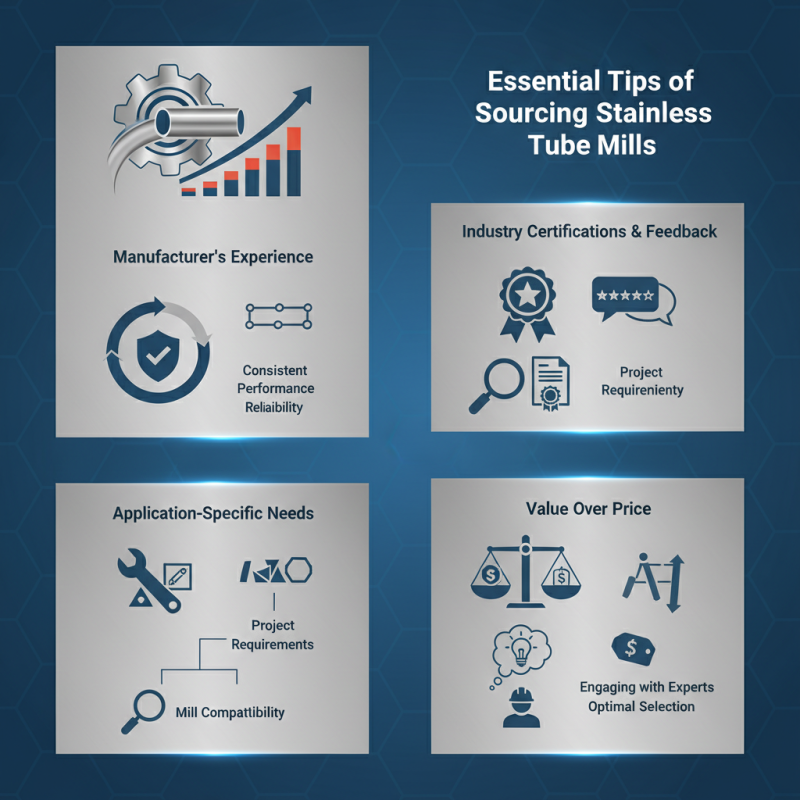
When selecting Stainless Tube Mills, consider the manufacturer's experience. Established companies often have a proven track record. Look for mills that deliver consistent performance and reliability. While many options exist, not all will meet the required standards. Research industry certifications and customer feedback to ensure a sound investment.
It’s important to recognize potential pitfalls in sourcing. Not all mills are designed for every application. Understanding the specific requirements of your projects is crucial. Keep in mind that price does not always equal quality. Assessing the overall value should guide decision-making. Engaging with experts can provide further insights into optimal selections.
Understanding the Basics of Stainless Tube Mill Manufacturing
When exploring stainless tube mill manufacturing, it's vital to understand the basics. Stainless tube mills play a critical role in producing high-quality tubes for various applications. The manufacturing process involves several steps, including forming, welding, and finishing. Each step affects the final product's quality, so attention to detail is crucial.
Here are some tips for sourcing quality stainless tube mills. Ensure the mill uses advanced technology and equipment. Innovation improves efficiency and product quality. Second, assess the experience of the workforce. Skilled operators can make a significant difference in the final output. Lastly, review the certifications and industry standards the mill adheres to. This reflects reliability and commitment to quality.
While these tips may seem straightforward, many overlook them. Some mills may claim high standards without proper proof. This discrepancy can lead to poor product performance. Always verify claims through third-party validations or peer reviews. Quality in manufacturing is not just about machinery but also about the people and processes involved. Understand the weak points in your sourcing strategy to ensure you are getting the best.
Essential Tips for Sourcing Quality Stainless Tube Mills
| Aspect | Details |
| Material Quality | Look for mills that use high-quality stainless steel, typically grades 304 and 316. |
| Technology Used | Advanced machinery such as CNC machines can enhance precision and efficiency. |
| Certifications | Ensure the mill complies with relevant standards such as ISO 9001. |
| Production Capacity | Assess whether their capacity aligns with your projected demands. |
| Lead Times | Inquire about lead times to meet your production schedule. |
| Customer Support | Evaluate the level of support they offer post-purchase. |
| Price Comparison | Compare prices across multiple manufacturers for better deals. |
Identifying Key Quality Standards for Stainless Tube Mills
When sourcing quality stainless tube mills, understanding key quality standards is crucial. Stainless steel tubes are essential in various industries, including construction and manufacturing. However, not all mills adhere to the same standards. Recognizing the difference can significantly impact your project’s success.
Look for mills that provide certifications. These certifications should confirm compliance with international quality standards. Pay attention to ISO certifications, as they indicate a commitment to maintaining quality. An evaluated supply chain is also vital. Ensure that raw materials are sourced responsibly and undergo rigorous testing. Transparency in production processes can highlight the mill’s reliability.
Blemishes can occur, even in top mills. It's important to remain vigilant. Regular quality checks during production can prevent issues down the line. Consider the mill's ability to adapt to changes in specifications. A flexible manufacturer may be a better long-term partner. It could influence your final product’s performance.
Evaluating Supplier Reputation and Experience in the Industry
When sourcing quality stainless tube mills, evaluating supplier reputation is crucial. A supplier’s experience in the industry can greatly influence product quality. Look for suppliers who have a solid track record. Years in the business often lead to better practices and quality assurance.
Check their customer reviews and feedback. Positive testimonials are a good sign. However, not every review may provide the complete picture. Sometimes, customers face issues that are not always acknowledged publicly. Engage directly with past clients to gather honest opinions.
Certifications and industry affiliations also matter. They indicate adherence to specific standards. Still, a certificate alone doesn’t guarantee quality. It’s essential to verify how these suppliers implement their processes. Ask about their quality control measures. Understanding their operational techniques can reveal their commitment to excellence.
Quality Stainless Tube Mills Supplier Evaluation
Assessing Technological Capabilities of Stainless Tube Mills
When sourcing quality stainless tube mills, evaluating their technological capabilities is essential. Advanced technology ensures precision and consistency in production. Look for mills utilizing up-to-date machinery and automation. This can directly influence the tube quality and yield.
Consider asking about their manufacturing processes. Mills should provide details on their methods, like welding and forming techniques. This will give you insight into their expertise. Tips include visiting the facility, if possible. Observing the production environment helps assess their operations firsthand.
It’s valuable to review industry certifications. Compliance with standards can indicate reliability. However, don't overlook customer feedback. Real-world experiences often highlight a mill's strengths and weaknesses. Researching reviews can uncover hidden issues. A well-rounded assessment of a mill's technological capabilities can guide you to the best choice for your needs.
Exploring Cost-Benefit Analysis for Sourcing Decisions
When sourcing stainless tube mills, a detailed cost-benefit analysis is critical. This process helps businesses evaluate quality against expense. According to a recent industry report, 45% of companies overlook long-term costs for initial savings, leading to higher maintenance expenses. Investing upfront in quality often results in better performance and durability.
A comprehensive assessment should consider various factors, such as material quality, production capabilities, and supplier reliability. Research indicates that stainless steel tube mill failures can cost companies up to 30% in unscheduled downtime. Unexpected costs arise from poor quality. Thus, prioritizing suppliers with proven track records can mitigate these risks.
While aiming for lower costs, one must reflect on the implications of cheaper options. A significant number of organizations find themselves paying for substandard materials that compromise safety and efficiency. Quality should drive sourcing decisions, rather than price alone. Data suggests that companies that prioritize quality see a 25% improvement in production efficiency over time.