Explore Ultrafiltration Water Systems at China Import Export Fair?
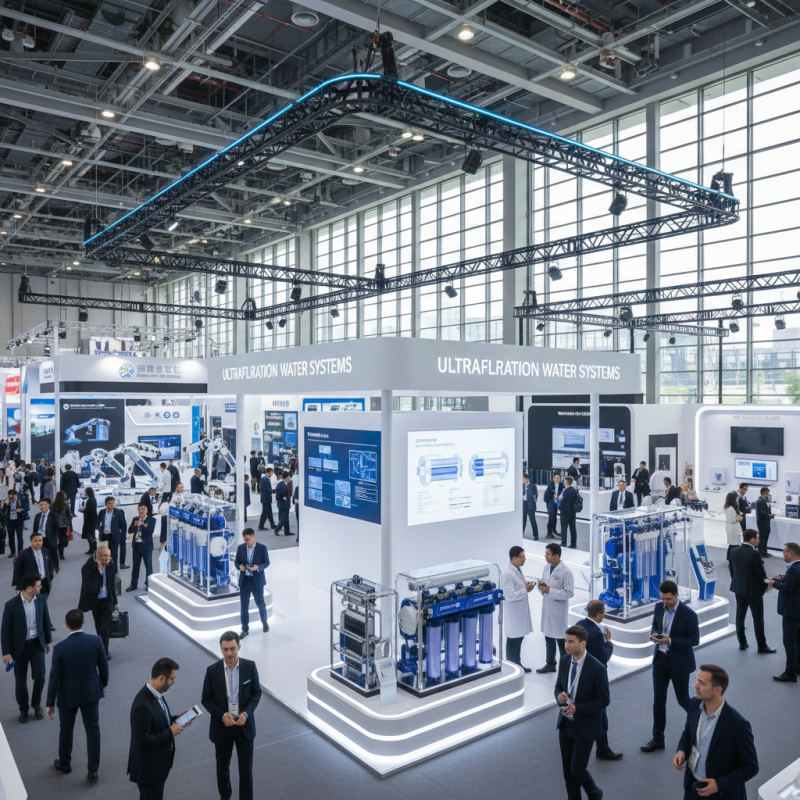
The upcoming China Import Export Fair presents a unique opportunity to explore advancements in Ultrafiltration Water Systems. Scheduled from April 15 to May 5, 2026, this fair will feature cutting-edge technology in various sectors. The first phase will emphasize advanced manufacturing and electronic appliances, while later phases focus on home quality and healthcare.
Ultrafiltration Water Systems will be a pivotal part of this exhibition. These systems are essential for providing clean drinking water and ensuring public health. They remove impurities effectively, but challenges remain in their widespread implementation. Ensuring affordability and accessibility is vital. Buyers can leverage AI capabilities to find suppliers with specific certifications, enhancing communication and procurement efficiency.
Navigating the extensive 1.55 million square meters venue requires strategic planning. Despite the introduction of smart navigation, it's crucial for attendees to stay adaptable. The fair promises innovation but may also reveal gaps in technology and market needs. Engaging with Ultrafiltration Water Systems at this event could spark meaningful discussions on water quality and sustainability.
Understanding Ultrafiltration Water Systems: A Comprehensive Overview
Ultrafiltration water systems have gained popularity due to their efficiency and effectiveness. This technology utilizes a semi-permeable membrane that removes contaminants from water. The membranes typically have pore sizes ranging from 0.1 to 0.01 microns. As a result, bacteria, viruses, and larger particles are effectively filtered out. This creates cleaner and safer drinking water.
In various settings, ultrafiltration systems are used in residential and industrial applications. Whether at home or in factories, they provide a reliable source of purified water. Many users appreciate the easy installation process and low maintenance requirements. However, not all ultrafiltration systems are made equal. Some may clog easily or need frequent replacements. Consumers should reflect on their specific needs before making a choice.
Understanding the limitations of these systems is important. While they excel at removing certain contaminants, they may not eliminate all impurities. Some chemicals and heavy metals might still pass through the membrane. Users must consider whether additional filtration methods are necessary. Evaluating water quality regularly can help in making informed choices. An informed decision can lead to better health and well-being.
Key Benefits of Ultrafiltration in Water Treatment Processes
Ultrafiltration (UF) is a powerful water treatment technology. It employs semi-permeable membranes for removing particles while allowing water to pass through. This method is effective in eliminating bacteria, viruses, and suspended solids. According to recent industry reports, ultrafiltration can achieve up to 99% removal of contaminants. This is crucial in ensuring safe drinking water.
The efficiency of ultrafiltration offers significant benefits. For example, its low energy consumption is a noteworthy advantage. It uses less energy than traditional water treatment methods. This can lead to reduced operational costs for facilities. Moreover, UF systems often require minimal chemical additives. This can result in a lower environmental impact compared to other processes.
However, some challenges exist. The performance of ultrafiltration membranes can decline over time due to fouling. Regular maintenance is essential to sustain efficiency. Operators must monitor for performance drops and replace membranes as needed, which incurs costs and effort. While UF systems showcase potential, it is crucial to remain aware of these limitations. Facilities need to implement proper maintenance protocols to maximize benefits.
Applications of Ultrafiltration Systems in Various Industries
Ultrafiltration systems are increasingly popular across various industries. These systems use semi-permeable membranes to separate particles from liquids. They effectively remove contaminants while allowing clean water to pass through. This technology is crucial in industries such as food and beverage, pharmaceuticals, and water treatment.
In the food and beverage industry, ultrafiltration is essential. It helps in the production of dairy products and juices. The process effectively concentrates flavors and preserves quality. Membrane filtration provides consistency, which is vital for product standards. Challenges arise with scaling and fouling, requiring regular maintenance and monitoring.
For pharmaceuticals, the purity of water is critical. Ultrafiltration ensures that harmful substances are removed. This guarantees the safety of medicinal products. However, the complexity of the equipment may lead to operational difficulties. Understanding these challenges is important for effective usage.
Tip: Regularly check membrane integrity to avoid contamination.
Water treatment facilities also benefit from ultrafiltration. They utilize these systems to produce potable water. With rising pollution, effective filtration is more important than ever. However, an underestimation of maintenance can lead to inefficiencies.
Tip: Train staff regularly on system management.
Navigating the China Import Export Fair: A Guide to Exhibitors and Innovations
The China Import Export Fair is a significant event for exhibitors and buyers in the water treatment sector. Ultrafiltration systems are a highlight this year, showcasing innovations in water purification technology. Recent data from a global water market report reveals that ultrafiltration systems have grown by 14% in adoption over the past year. This trend reflects the increasing demand for safe and clean water solutions.
Exhibitors will demonstrate various ultrafiltration technologies, focusing on efficiency and sustainability. Membrane filtration, a key component, offers several benefits, including the removal of contaminants and lowering energy use. However, not all systems are perfect. Some may face challenges related to fouling and maintenance costs. Addressing these issues is crucial for manufacturers looking to improve their products.
Visitors can engage with experts and attend workshops to gain insights into these systems. The fair provides a platform for understanding the latest innovations and networking with industry leaders. Collectively, participants can explore the future of water purification, while also contemplating the hurdles that need to be overcome for widespread adoption.
Future Trends in Ultrafiltration Technology and Market Growth
Ultrafiltration (UF) technology is gaining traction in water purification. This method effectively removes particles, bacteria, and some viruses from water. It's becoming increasingly popular in water treatment and food processing. The demand for clean water is rising globally, which boosts the ultrafiltration market.
Future trends suggest a focus on improving efficiency and reducing waste. Innovations in membrane technology are essential. Researchers are exploring sustainable materials that may enhance performance while being eco-friendly. However, challenges remain. Membrane fouling is a persistent issue that complicates maintenance. Addressing this requires ongoing research and development.
Market growth forecasts indicate a bright future for ultrafiltration. Regions with water scarcity are investing in this technology. Cities are increasingly adopting UF systems in response to environmental concerns. Challenges do exist, though. There may be a lack of awareness about ultrafiltration's benefits. Proper education is crucial to drive adoption. As the industry evolves, we must keep questioning our approaches to ensure sustainable growth.