What is a Forklift Collision Detection System and How Does It Work?
In the world of warehouse management, safety is paramount. A Forklift Collision Detection System (FCDS) plays a crucial role in enhancing workplace safety. This technology uses advanced sensors and algorithms to detect potential collisions in real time. It monitors the environment around forklifts, alerting operators of imminent dangers.
Implementing an effective FCDS can significantly reduce accidents. It can prevent costly damages and injuries that impact both employees and operations. Yet, reliance solely on technology can lead to complacency among workers. Operators should remain vigilant and aware of their surroundings, even with safety systems in place.
Evaluating the effectiveness of a Forklift Collision Detection System is vital. Regular testing and updates ensure that the system adapts to changing conditions. With the right training and system checks, organizations can build a safer workplace. Balancing technology with human responsibility creates a more secure environment for everyone involved.
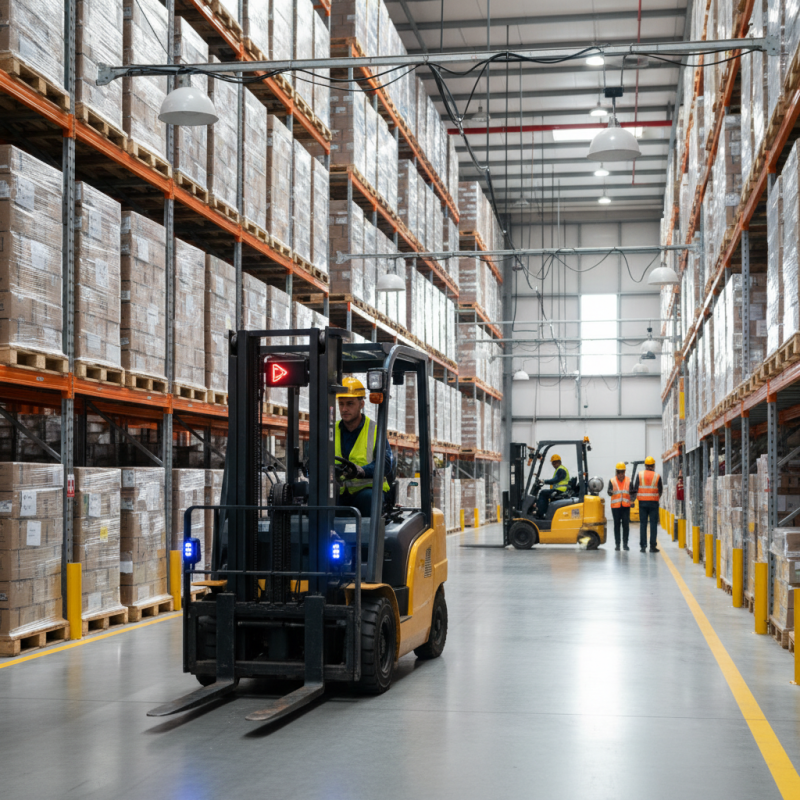
What is a Forklift Collision Detection System?
A forklift collision detection system is a critical technology in modern warehouses and industrial settings. It enhances safety by preventing accidents between forklifts and other objects or personnel. These systems rely on sensors, cameras, and advanced algorithms to monitor the environment in real time. When a potential collision is detected, the system can alert the operator with visual or auditory signals. In some cases, automatic braking may be initiated to avoid an accident entirely.
Many systems vary in complexity. Basic models may use simple proximity sensors, while more advanced systems integrate AI. However, the effectiveness of these systems depends on proper installation and maintenance. A poorly calibrated system can provide false readings, leading to complacency. Employees may assume that safety is guaranteed, which can create risks. Regular training and system audits are essential to ensure that operators understand how to respond when a warning occurs.
Real-life applications highlight the importance of these systems. In busy warehouses, the risk of collision rises significantly. A well-functioning collision detection system can dramatically reduce accident rates. However, it is vital to create a culture of safety where employees remain vigilant. Technology should support, not replace, human awareness. It's crucial to remember that no system is foolproof, and vigilance must accompany technology.
Key Components of a Forklift Collision Detection System
A Forklift Collision Detection System is essential for improving safety in industrial environments. It comprises several key components that work together seamlessly. Sensors, for instance, detect the presence of obstacles. These sensors can include ultrasonic and infrared types. The data collected helps the system identify potential collisions. Effective use of these sensors can significantly reduce accidents, thereby protecting both personnel and equipment.
Another critical component is the control unit. This unit processes sensor data in real-time. It activates warning signals and braking systems when necessary. Research indicates that implementing collision detection technology can decrease accident rates by up to 30% in warehouse settings. Such advancements highlight the need for continual improvement in safety measures.
While these systems have made strides, challenges remain. Calibration and maintenance of the sensors are vital for optimal performance. Operators must be trained to understand system alerts correctly. Data shows that user error is a significant factor in forklift accidents. Therefore, a comprehensive approach involving equipment technology and human factors is essential for maximizing safety outcomes. Investing in a collision detection system can lead to noticeable improvements in workplace safety and efficiency.
How the Technology Works: Sensors and Algorithms
Forklift collision detection systems are vital for ensuring safety in busy warehouses. These systems utilize advanced technology to prevent accidents between forklifts and pedestrians or obstacles. At the core of this technology are sensors and algorithms that work together to create a safer working environment.
Sensors such as cameras, radar, and LiDAR are deployed around the forklift. These devices detect nearby objects and gauge their distance in real-time. The data collected is processed by algorithms that analyze these inputs. If a potential collision is detected, the system can issue warnings or even apply emergency brakes. This rapid response can significantly reduce accident rates.
Despite their benefits, there can be limitations. Environmental factors like poor lighting or cluttered spaces can hinder sensor effectiveness. Additionally, reliance on technology may lead to complacency among operators. Regular training and system evaluations are crucial for maintaining safety standards. Balancing technology with human awareness is the key to an effective collision detection system.
Benefits of Implementing Collision Detection in Forklifts
Implementing a collision detection system in forklifts significantly enhances workplace safety. According to industry reports, forklift accidents account for 20% of warehouse injuries. A well-designed detection system helps prevent these incidents, reducing costs associated with injuries and equipment damages. For instance, studies indicate that businesses employing these systems see a 30% decrease in accident rates.
These systems utilize sensors to detect nearby obstacles. When the forklift is at risk of colliding, an alert is triggered. This timely intervention allows operators to respond quickly, potentially avoiding a collision. Moreover, organizations reported not just fewer accidents, but also improved worker morale. A safer environment boosts productivity and employee satisfaction.
Cost is a concern, yet the investment pays off. The average cost of a forklift accident can reach $150,000, including medical bills and downtime. By adopting collision detection systems, companies can mitigate these financial risks. While some may question the effectiveness of technology, the data speaks volumes. Implementing such systems is a step towards a safer, more efficient workplace.
Challenges and Limitations of Forklift Collision Detection Systems
Forklift collision detection systems are crucial for enhancing safety in warehouses and manufacturing settings. However, they come with challenges and limitations. One significant concern is the varying effectiveness of sensors in different environments. For instance, dust, moisture, or obstructions can hinder sensor performance. As a result, accurate detection of pedestrians or obstacles becomes problematic. This limitation can lead to misinterpretations or delayed responses, increasing the risk of accidents.
Another challenge is the integration of these systems with existing warehouse management practices. Employees often need training to adapt to new technology. Without proper training, the potential of collision detection systems may not be fully realized. Moreover, relying solely on technology can create a false sense of security. Workers might become complacent, believing they are completely safe. Continuous vigilance is essential, despite the presence of detection systems.
Cost is also a factor to consider. Implementing advanced collision detection systems can be expensive. Smaller businesses may struggle to justify the investment. Therefore, they might opt for basic systems that do not address all safety concerns. A balance between cost, effectiveness, and employee safety is essential. Organizations must regularly revisit their safety protocols and technology to ensure they are meeting industry standards.