2026 How to Choose Wheel Hub Bearing Units for Your Vehicle?
Choosing the right wheel hub bearing units is crucial for vehicle performance. These components are vital to your vehicle’s safety and handling. Reports from the Automotive Aftermarket Suppliers Association indicate that improper selection can lead to increased wear and potential failures. This can cost drivers significantly in repairs and can endanger safety on the road.
In recent years, the demand for high-quality wheel hub bearing units has surged. With advancements in technology, manufacturers offer diverse options. However, not all units are created equal. Factors like load capacity, noise levels, and compatibility with your vehicle must be considered. A poorly chosen unit can lead to premature replacement and dissatisfaction.
It's evident that selecting the right wheel hub bearing units requires careful thought. Look for credible brands and examine specs thoroughly. The right choice may not always be obvious. Reflect on your driving habits and vehicle use when making a decision. This choice impacts longevity and performance. Make an informed choice—it’s worth the effort.
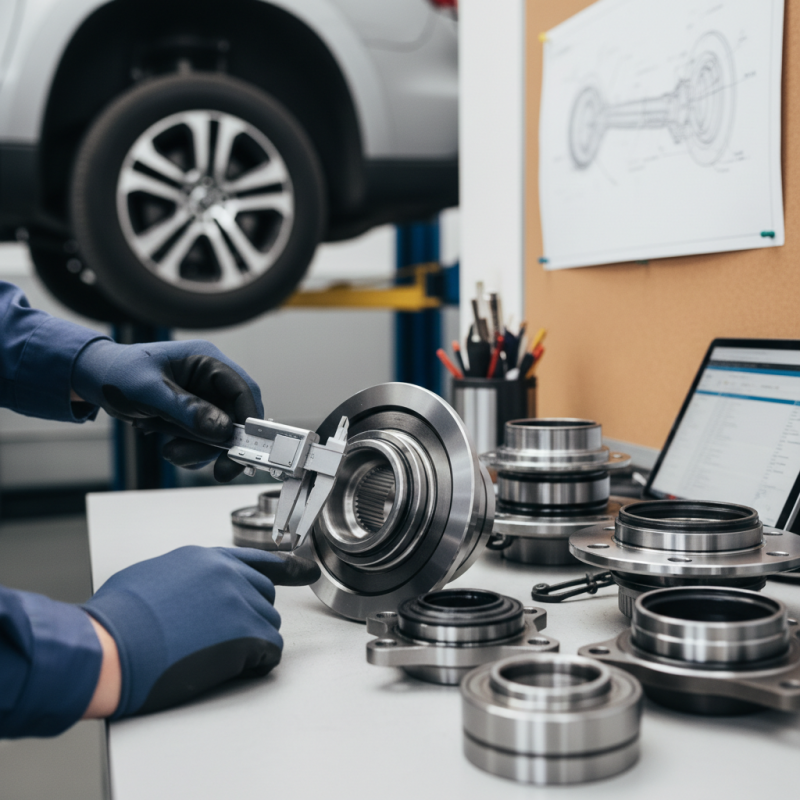
Understanding Wheel Hub Bearing Units: Definition and Types
Wheel hub bearing units are vital components in your vehicle. They allow wheels to rotate smoothly while supporting the weight of the vehicle itself. Understanding these units helps in selecting the right one for your needs.
There are primarily two types of wheel hub bearing units: 1) single-row ball bearings and 2) double-row angular contact ball bearings. Single-row units are simpler and often found in lighter vehicles. Double-row units provide extra strength and are used in heavier applications. Each type plays a crucial role based on your vehicle's requirements.
Tips: Always consider load capacity. Choose a unit that matches your vehicle's weight. Look for signs of wear, like noise or vibration during driving. Regular maintenance can extend the life of your wheel hub bearings. Remember to consult professionals when in doubt; incorrect installations can lead to issues. Pay attention to the fit. Units that aren’t compatible may cause premature failure. These simple mistakes can be costly in the long run.
Key Factors Influencing Wheel Hub Bearing Unit Selection
Choosing the right wheel hub bearing units for your vehicle is crucial. Many factors come into play. First, consider the vehicle's weight. Heavier vehicles require stronger bearings. This impacts durability and performance.
Next, think about driving conditions. Are you on smooth highways or rough terrains? Different environments demand different specifications. Off-road vehicles need robust units to handle stress.
Pay attention to the bearing's design. The shape and materials influence heat dissipation. Overheating can lead to failures. Look for units with effective seals. This helps prevent dirt and moisture from entering.
Lastly, research and feedback matter. Search for reviews. Talk to others about their experiences. Sometimes, strong recommendations lead to the best choices. Trust your instincts. If something feels off, take a step back. Reflect on your selection.
2026 How to Choose Wheel Hub Bearing Units for Your Vehicle? - Key Factors Influencing Wheel Hub Bearing Unit Selection
| Factor | Description | Importance Rating (1-5) |
| Load Capacity | The maximum load the hub bearing can support without failure. | 5 |
| Material Quality | The durability and strength of the materials used in the bearing unit. | 4 |
| Seal Design | Quality and effectiveness of seals preventing dirt and moisture entry. | 5 |
| Maintenance Requirements | How often the unit needs servicing to ensure optimal performance. | 3 |
| Heat Resistance | Ability to withstand high temperatures without degradation. | 4 |
| Noise Levels | The amount of noise generated during operation of the bearing. | 3 |
Industry Standards and Specifications for Wheel Hub Bearings
When choosing wheel hub bearing units, it's crucial to consider industry standards. The ISO 9001 certification ensures consistent quality in manufacturing. According to a report from the Automotive Industry Action Group, over 70% of failures relate to poor quality bearings. This emphasizes the need for reliability in selection.
Materials used in wheel hub bearings significantly impact performance. High-carbon chromium steel is often recommended for durability. This type of steel can withstand high loads and resist wear. However, not every bearing uses it. Some may incorporate lower-quality materials, which can lead to premature failure.
Bearing design also plays a pivotal role. Angular contact ball bearings are common for their axial load handling. Yet, improper fit during installation can lead to issues. It's essential to check tolerances and ensure correct alignment. Attention to these details can prevent costly repairs down the road.
Evaluating Performance Metrics in Wheel Hub Bearing Units
When evaluating wheel hub bearing units for your vehicle, performance metrics become crucial. These units provide essential support to the wheel assembly. Their efficiency affects ride quality and safety. Resistance to wear and tear is also key. Units that last longer can save on maintenance costs.
Pay attention to the noise level during operation. Excessive noise can indicate issues. It might be difficult to pin down at first, but it's a factor worth investigating. Vibration performance is another metric that shouldn’t be overlooked. High vibration could lead to premature failure.
Additionally, check the load capacity. Different vehicles demand various strengths. It's easy to assume one size fits all, but that’s not true. A mismatch can cause serious damage. Look for units that have been tested under real-life conditions. Claims on paper may not reflect actual performance. Take the time to choose wisely.
Installation and Maintenance Considerations for Optimal Longevity
When it comes to wheel hub bearing units, installation plays a critical role in ensuring durability. Proper alignment is essential. Misalignment can lead to premature wear. Make sure the bearings are seated correctly. Check for any debris in the area. A clean installation site saves a lot of trouble later on.
Maintaining the units is equally important. Regular inspections can catch issues early. Look for signs of rust or wear. It’s often tempting to overlook small noises. Yet, these sounds can indicate a problem. Lubrication should be applied as needed. Over-lubricating can cause damage, so find a balance. Avoid unnecessary pressure while tightening bolts. This common mistake can lead to failures.
Lastly, remember that not every installation goes perfectly. If you find yourself frustrated, take a step back. Rushing can create more issues in the long run. Document your process and learn from mistakes. Each installation is an opportunity for improvement. A thoughtful approach leads to better performance and longer-lasting components.
Wheel Hub Bearing Units: Installation and Maintenance Considerations
This chart represents the average lifespan in mileage (in thousands of miles) of wheel hub bearing units based on installation quality and maintenance frequency.