What is Insert Injection Molding and Why It Matters?
Insert Injection Molding is a vital technique in modern manufacturing. It combines traditional injection molding with insert components, enhancing product complexity. According to a recent report from Grand View Research, the global injection molding market is projected to reach $333.9 billion by 2027. This highlights the significance of methods like Insert Injection Molding in the competitive landscape.
One main benefit of Insert Injection Molding is cost efficiency. It reduces assembly time, allowing for faster production cycles. Companies using this method can see a 30% decrease in labor costs, according to data from the Plastics Industry Association. Despite its advantages, there are challenges, like ensuring precise alignment of inserts. This aspect requires careful planning and execution.
Overall, Insert Injection Molding plays a crucial role in producing complex parts. Its benefits include reduced costs and improved efficiency. Yet, manufacturers must continually assess their processes to overcome potential hurdles. The journey of evolution in this industry is ongoing, pushing boundaries toward innovation.
What is Insert Injection Molding?
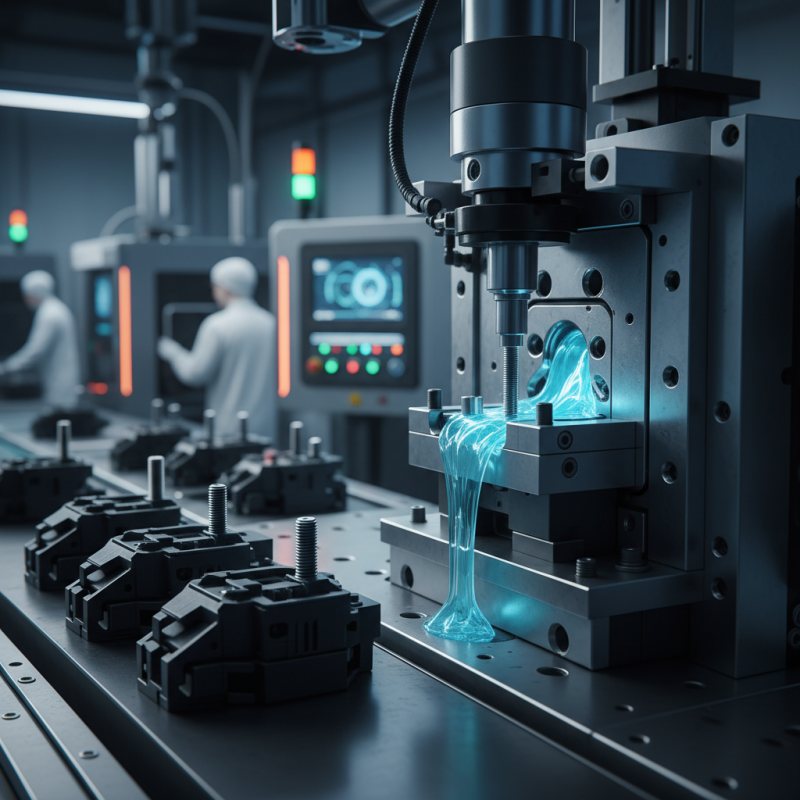
Insert injection molding is a specialized manufacturing process used to create complex parts. This method involves placing inserts, such as metal or other materials, into a mold. Then, plastic is injected around these inserts. The result is a strong, durable component that can support functional designs. This technique reduces assembly time and enhances product performance.
When considering insert injection molding, it's crucial to focus on part design. Design must accommodate inserts and ensure proper alignment. Be mindful of the material you choose for the inserts. Different materials may react differently during the molding process. Always conduct tests to assess compatibility.
Tips: Before starting production, validate the mold design. Prototype the parts to identify any potential challenges. Be prepared to adjust your design based on the feedback from testing. This step can save time and resources in the long run. Monitoring the injection pressure is also essential; it impacts the final part quality.
What is Insert Injection Molding and Why It Matters?
| Dimension | Description |
| Process Type | Insert Injection Molding |
| Initial Use | Combination of plastic and metal components |
| Material Used | Thermoplastics, metals, rubber |
| Applications | Automotive, consumer electronics, medical devices |
| Benefits | Reduced assembly time, improved quality, cost-effective |
| Challenges | Design complexity, tooling costs |
| Market Trends | Increasing demand for lightweight and integrated components |
Benefits of Insert Injection Molding in Manufacturing
Insert injection molding combines standard injection molding with the insertion of pre-formed parts. This process allows manufacturers to create complex components efficiently. The integration of metal or other materials into plastic injection molding enhances product strength and reduces assembly time.
One significant benefit is reduced production costs. By combining multiple steps into one process, it minimizes labor and resource needs. Insert injection molding can streamline manufacturing timelines. Shorter lead times mean a quicker route to market. This efficiency is crucial in competitive industries where speed matters.
Another advantage is enhanced product durability. The inserted parts reinforce the overall structure. This results in finished products that are more resilient to wear and tear. However, achieving the right balance between materials can be challenging. Manufacturers must continuously iterate and evaluate processes. Design improvements may not always lead to better outcomes. This constant refinement is necessary for quality assurance.
Applications and Industries Utilizing Insert Injection Molding
Insert injection molding is a technique that integrates different materials during the manufacturing process. This method is prevalent across various industries, offering significant advantages in product functionality and design. The automotive and medical sectors prominently utilize this process, reflecting its essential role in modern manufacturing.
In the automotive industry, insert injection molding allows for the combination of plastics and metals, enhancing durability. Reports indicate that this sector accounts for approximately 30% of the global insert molding market. Components like gears and housings benefit from this method, which minimizes the need for secondary assembly processes. This efficiency not only reduces production costs but also shortens lead times.
The medical industry also capitalizes on insert injection molding, particularly for creating complex devices. According to industry studies, around 25% of insert molding applications are in healthcare. Devices such as surgical tools and drug delivery systems must meet stringent quality standards. Ensuring precision and reliability is critical. However, challenges remain in maintaining consistency and managing material compatibility. Continuous advancements in technology aim to address these issues, emphasizing the ongoing need for innovation in insert injection molding practices.
Challenges and Considerations in Insert Injection Molding
Insert injection molding is a complex manufacturing process. It involves placing an insert, such as a metal component, into a mold before injecting plastic. This method offers benefits like enhanced part strength and reduced assembly time. However, it brings specific challenges that manufacturers must consider carefully.
One major challenge is achieving proper alignment of the insert. Misalignment can lead to defects in the final product. Additionally, the type of material used for the insert can affect the properties of the molded part. Manufacturers must also consider the thermal expansion differences between the insert and the plastic. Failure to do so may result in stress points or warping during cooling.
Another consideration is the need for precise mold design. The mold must ensure that the insert is securely held in place. This requires skills in both engineering and materials science. It can be difficult to balance these factors while maintaining cost-effectiveness. In some cases, the production process may slow down due to these complexities. Understanding these challenges is crucial for anyone involved in insert injection molding.