Why Choose Intramedullary Nail for Bone Fracture Treatment?
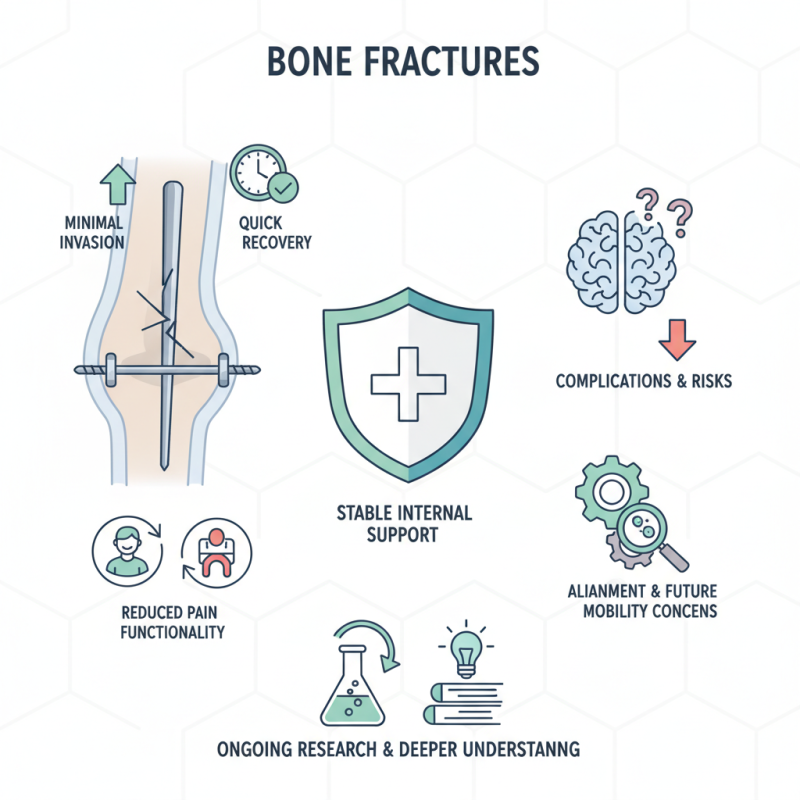
Intramedullary Nail (IMN) fixation has gained recognition in orthopedic surgery for treating bone fractures. This technique involves inserting a metal rod into the marrow cavity of a fractured bone. IMN provides stable internal support, allowing for effective healing. Surgeons widely prefer this method due to its minimal invasion and quick recovery times.
Orthopedic experts advocate for IMN because it is less traumatic than traditional methods. Patients experience reduced pain and better functionality post-surgery. However, it is essential to evaluate each case individually. There are complications associated with IMN, which may impact the overall outcome. Surgeons need to balance benefits with potential risks.
Some patients still face concerns regarding the intramedullary nail's long-term performance. Questions arise about alignment and future mobility. The need for ongoing research and case studies is apparent. A deeper understanding will help refine techniques and enhance patient care. Exploring the intricacies of intramedullary nails can lead to more reliable treatments.
Overview of Intramedullary Nail in Orthopedic Surgery
Intramedullary nailing is a common technique in orthopedic surgery for treating bone fractures. It involves inserting a metal rod inside the medullary cavity of a bone. This method aligns and stabilizes the fracture, facilitating healing. Surgeons prefer this technique due to its minimal impact on surrounding tissues. It allows for a quicker recovery and less pain post-surgery.
Patients often experience faster functional recovery. They can return to daily activities sooner. However, this method is not without challenges. Complications can arise, such as improper alignment or infection. Surgeons must carefully assess each case to ensure suitability. The need for precise insertion is critical. In some instances, surgeons find themselves questioning the best approach for complex fractures.
Intramedullary nails vary in design and length. The choice depends on the specific fracture type and location. Surgeons rely on their expertise to make these decisions. Despite advancements, not every procedure yields perfect results. Continuous learning and adaptation are essential in orthopedic practice. Each case provides lessons that shape future surgeries.
Why Choose Intramedullary Nail for Bone Fracture Treatment?
| Factor | Description | Advantages | Disadvantages |
| Stability | Provides strong fixation for unstable fractures. | Improved alignment and reduced risk of malunion. | Potential for implant failure in poor bone quality. |
| Minimally Invasive | Smaller incisions leading to reduced soft tissue damage. | Shorter recovery time and less postoperative pain. | Requires precise surgical technique. |
| Biocompatibility | Implants made from materials like titanium or stainless steel. | Low risk of allergic reactions or rejections. | Long-term effects on the body are still being studied. |
| Weight-Bearing | Allows for early weight-bearing activities. | Faster rehabilitation and return to daily activities. | Improper weight-bearing can lead to complications. |
| Cost-Effectiveness | Generally lower costs for materials and surgery. | Reduced overall healthcare costs due to fewer complications. | Initial expenses may be higher for specialized instruments. |
Benefits of Intramedullary Nails in Bone Fracture Repair
Intramedullary nails offer significant advantages in bone fracture treatment. These devices penetrate the marrow cavity of long bones, providing strong internal support. They stabilize fractures while allowing for earlier mobilization. This technique often results in quicker recovery times compared to traditional methods.
Using intramedullary nails can minimize soft tissue damage. The procedure is less invasive, which typically reduces the risk of infection. Patients may experience less pain post-operatively. Furthermore, intramedullary nails align the bone fragments effectively, promoting better healing. Understanding the specific fracture type is crucial to selecting this option.
Tips: Always consult with a qualified orthopedic surgeon. They can assess if intramedullary nailing is suitable for your situation. Pay attention to your body’s signals during recovery. Rest is essential, but gradual movement is also necessary to regain strength.
Keep in mind that not all patients are ideal candidates for this method. Factors like age, health, and type of fracture matter. It's crucial to engage in open discussions with healthcare providers. Balancing expectations with the realities of the procedure can lead to better outcomes.
Benefits of Intramedullary Nails in Bone Fracture Repair
Indications for Using Intramedullary Nails in Fracture Treatment
Intramedullary nails are a common choice for treating bone fractures, particularly in long bones like the femur and tibia. These nails are inserted into the marrow cavity, providing stable fixation. They are ideal for certain types of fractures, such as those that are unstable or displaced. The ability to align and stabilize fractured bones effectively helps promote healing.
Candidates for intramedullary nailing include individuals with multiple fractures or those who suffer from high-energy trauma. This technique is preferred in cases where the fracture extends into the joint. Additionally, patients with poor bone quality can benefit from this approach, as the nail redistributes stresses across the bone. However, proper patient selection is essential. Not all fractures are suitable, and the surgeon must evaluate the specifics of each case.
While intramedullary nailing offers several advantages, challenges exist. Some patients may experience complications, like infection or inadequate healing. Understanding these risks is crucial. Surgeons must communicate these factors clearly to patients, ensuring informed decisions. Overall, intramedullary nails represent a powerful tool in modern orthopedics, yet they require careful consideration and expertise.
Comparison of Intramedullary Nails with Other Fixation Methods
Intramedullary nails have gained popularity in treating fractures due to their unique advantages. Unlike external fixation methods, intramedullary nails provide stable internal support. They minimize soft tissue damage, which can lead to faster recovery times. Surgeons often prefer this method as it preserves the bone's blood supply. This feature is critical for healing and improves overall outcomes.
In contrast, external fixation involves pins and frames. It can lead to complications like pin site infections. Some patients find them uncomfortable as they are more visible and cumbersome. While plate fixation can be effective, it sometimes requires extensive surgical exposure. This additional exposure increases the risk of complications. Intramedullary nails, however, require smaller incisions, focusing on minimally invasive techniques.
Yet, some may argue against the use of intramedullary nails. They may not suit all types of fractures or patients. Some heavier or more active patients may experience issues with nail failure. Surgeons must carefully select candidates for this method. Reflecting on these considerations is crucial for optimal outcomes. Every method has its pros and cons, and the choice depends on individual circumstances.
Post-Operative Care and Recovery with Intramedullary Nails
After an intramedullary nail procedure, proper post-operative care is crucial for recovery. Patients may experience pain and swelling at the surgical site. Pain management is essential during the initial days. Ice packs can reduce swelling. Elevating the leg helps with comfort. Walking aids like crutches may be needed for mobility.
Follow-up appointments are vital. Healthcare professionals will monitor healing and nail placement. Patients should be vigilant for signs of infection, such as increased redness or discharge. Regular exercises are usually advised after the initial healing period. Simple movements can enhance circulation and prevent stiffness.
Adapting to daily life can be challenging. Some activities may be restricted during recovery. Patience is key. Each patient heals at their own pace, and it’s normal for progress to fluctuate. Engaging in physical therapy can aid recovery, but it requires commitment and effort. Listening to the body's signals is essential in ensuring a successful return to normal activities.