Top 10 Air Compressor Parts You Need to Know About?
Understanding air compressor parts is crucial for both efficiency and longevity. According to John Smith, a renowned expert in the field, “Knowing these components can save you time and money.” His experience emphasizes the importance of recognizing each part's role in your air compressor system.
Air compressors are made of various essential components. Each plays a unique function in ensuring optimal performance. The most common parts include the motor, pump, tank, and pressure switch. These components work together, creating pressurized air. However, many users overlook their significance and maintenance. Regular checks can prevent larger problems later.
Furthermore, not everyone understands how these parts interact. That lack of knowledge can lead to costly mistakes. Relying on basic information can hinder efficiency. In an industry where precision is key, each detail matters. A well-informed operator can maximize performance and extend the lifespan of their equipment.
Understanding the Function of an Air Compressor
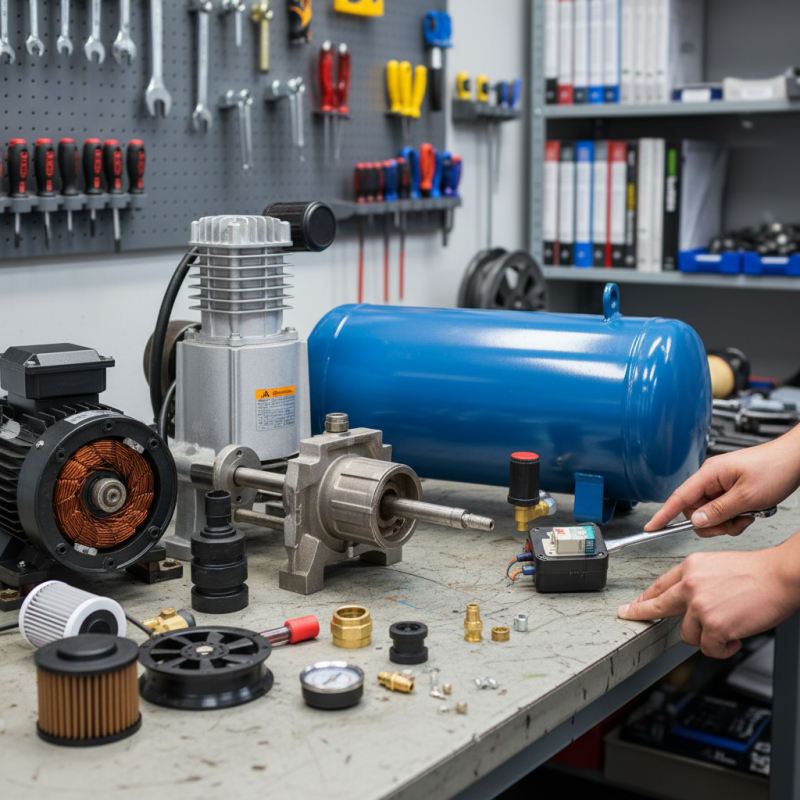
An air compressor is an essential tool in various industries. It converts power into potential energy stored in compressed air. This process allows it to perform tasks like powering tools and inflating tires. Understanding the function of an air compressor requires knowledge of its core components, which work together to create efficient and reliable air pressure.
The heart of the compressor is its motor, which drives the pump. This pump compresses air and transfers it to the storage tank. The tank then holds the compressed air for later use. In addition to the motor and pump, filters and regulators play crucial roles. Filters remove impurities, ensuring clean air enters the system. Regulators maintain steady pressure, which is vital for tool performance.
Air compressors can be complex, and not all run smoothly. Maintenance is key. Clogged filters can reduce efficiency. Over time, wear and tear on components can lead to performance issues. Regular checks and part replacements are necessary to keep the compressor functioning optimally. Understanding these parts helps users troubleshoot when problems arise.
Top 10 Air Compressor Parts You Need to Know About
This bar chart illustrates the importance level of the top 10 essential parts of an air compressor. Each part is rated on a scale from 1 to 10, where 10 indicates the highest level of importance. Understanding these components can help in maintaining and operating air compressors effectively.
Key Components of Air Compressors Explained
Air compressors are essential for various industries. Understanding their key components can enhance efficiency and reliability. The main parts include the motor, pump, tank, and valves. Each part plays a crucial role in the performance of the compressor.
The motor powers the pump, converting electrical energy into mechanical energy. A quality motor may operate at 85% efficiency or higher. However, it’s essential to monitor motor heat levels. An overheating motor can reduce lifespan significantly. The pump compresses air, generating high pressure. Different types of pumps exist, such as reciprocating and rotary screw. Each type has distinct applications, affecting overall efficiency.
Another critical component is the air tank. It stores compressed air and helps maintain pressure. Proper tank size is vital; an undersized tank can lead to frequent cycling, causing wear and tear. Regular inspections of valves and fittings are necessary to prevent leaks. Data indicates that leaks can waste up to 30% of compressed air. Thus, ensuring all components function properly is key to operational success.
Common Issues with Air Compressor Parts
Air compressors are vital in many industries. Most users encounter issues with their parts. These problems can affect efficiency and performance. Understanding common issues can help in maintenance and repairs.
One major issue is air leaks. A small crack or loose fitting can cause significant air loss. Users might notice decreased pressure, which leads to poor operation. Regular inspections help detect these leaks early. Another common problem is overheating. This often happens due to lack of lubrication or dirty filters. High temperatures can damage internal components and reduce lifespan.
Another frequent concern involves worn-out intake valves. These valves control airflow into the compressor. When they fail, the compressor can struggle to build pressure. Replacing them is necessary to restore functionality. Routine checks can prevent these issues from becoming major problems. Regular maintenance is key to ensuring reliable performance of air compressor parts.
Top 10 Air Compressor Parts You Need to Know About
| Part Name |
Function |
Common Issues |
Maintenance Tips |
| Compressor Pump |
Compresses air for storage |
Overheating, cracks |
Regularly check oil levels |
| Air Filter |
Removes contaminants from air |
Clogs, reduced airflow |
Clean/replace regularly |
| Pressure Switch |
Controls compressor operation |
Failure to start/stop |
Check settings periodically |
| Regulator |
Maintains air pressure |
Inaccurate readings |
Calibrate as needed |
| Receiver Tank |
Stores compressed air |
Corrosion, leaks |
Inspect for rust |
| Hoses |
Transport compressed air |
Cracks, leaks |
Replace if damaged |
| Check Valve |
Prevents backflow of air |
Sticking, leakage |
Clean or replace as necessary |
| Pneumatic Tools |
Use compressed air for operation |
Performance issues |
Maintain and lubricate tools |
| Drain Valve |
Removes moisture from tank |
Clogs, leaks |
Open regularly to drain |
Maintenance Tips for Air Compressor Components
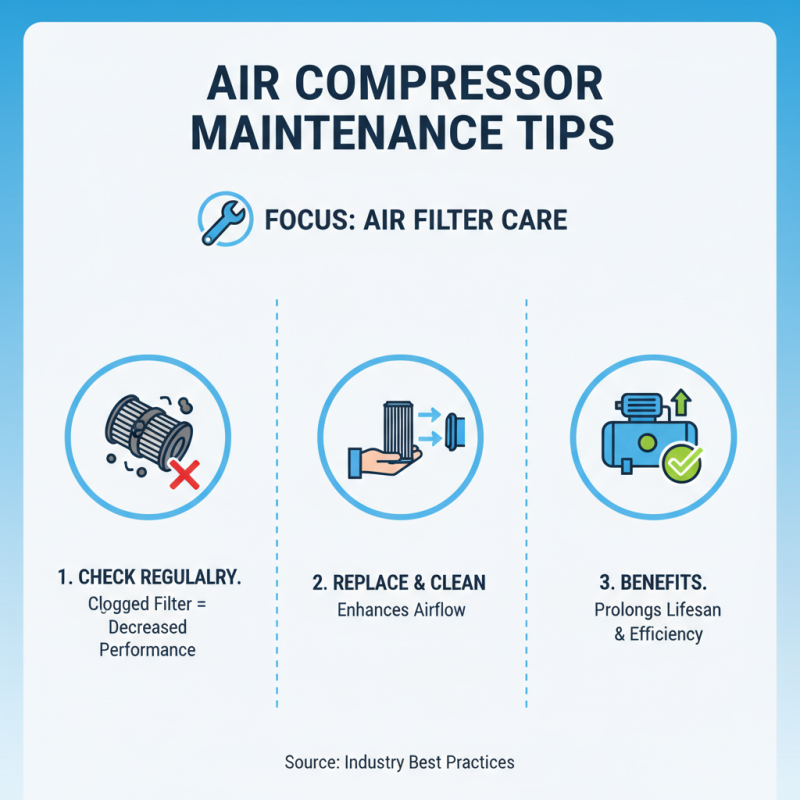
Air compressors are essential tools in many industries. Regular maintenance is crucial for keeping them running smoothly. One vital component is the air filter. A clogged filter can decrease performance. Checking and replacing it should be a routine task. Clean filters enhance airflow, thus prolonging the compressor's lifespan.
Another important part is the oil level. Many air compressors require oil for lubrication. Low oil can lead to overheating and mechanical failure. Regularly inspect the oil level and change it according to the manufacturer’s guidelines. Dirty oil can also harm the compressor. Make it a habit to check before starting the machine.
Lastly, inspect the belts and hoses. These components can wear out over time. Cracks, frays, or leaks may indicate it’s time for a replacement. Regular visual checks can prevent more severe issues. Catching problems early can save money and ensure reliability. A well-maintained air compressor runs more efficiently, benefiting your overall productivity.
Upgrading Air Compressor Parts for Improved Performance
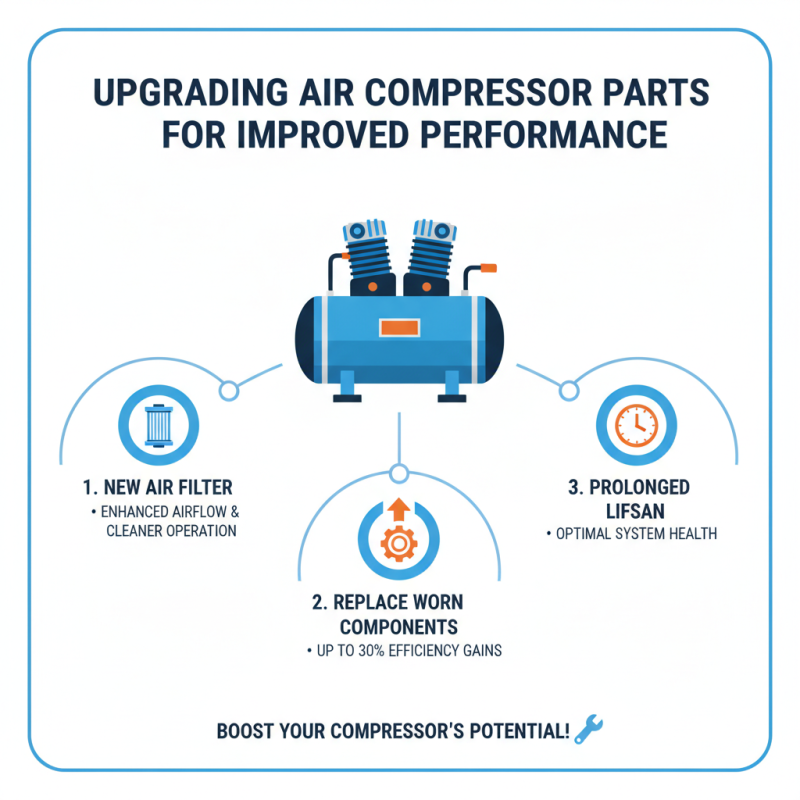
Upgrading air compressor parts can significantly boost performance. Recent studies show that replacing worn components can lead to efficiency gains of up to 30%. For instance, a new air filter can enhance airflow. Clean air is essential for optimal operation and prolongs the compressor's life.
Impacts of using high-quality replacement parts are clear. According to the Air Compression Industry Report, using upgraded cylinder valves can improve pressure stability and reduce energy consumption by nearly 15%. However, it is essential to ensure proper installation. Poor fitting can negate potential benefits and create leaks, which can lead to decreased efficiency.
Investing in better parts requires consideration. While the initial costs can be higher, the long-term savings on energy and maintenance can offset this. Monitoring performance trends post-upgrade is crucial. It allows for adjustments and ensures that the expected improvements are realized.