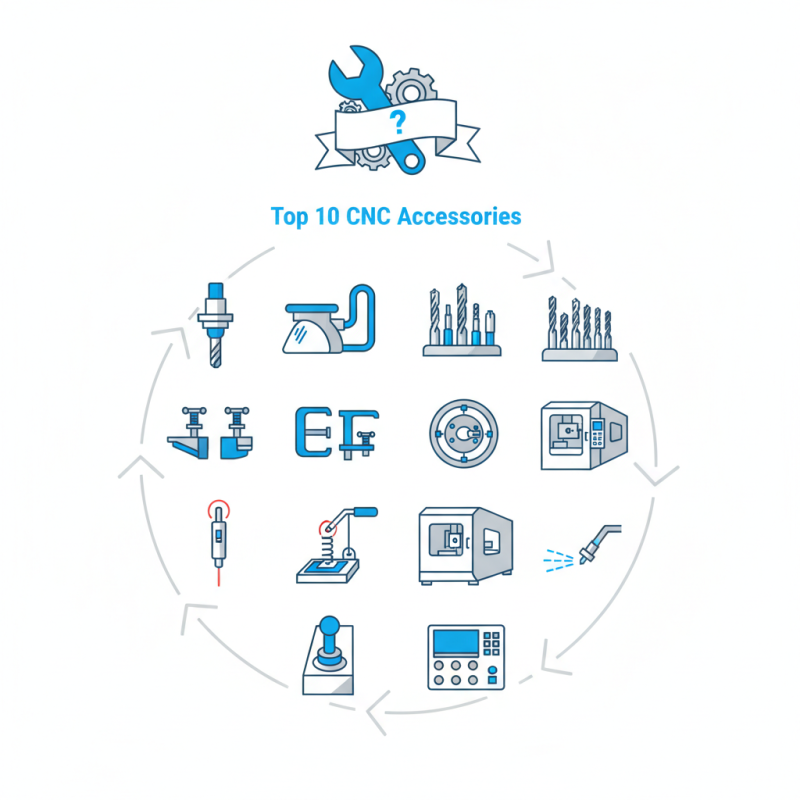
Top 10 CNC Accessories You Need for Your Workshop?
In any workshop, the right tools can make all the difference. CNC Accessories enhance precision, efficiency, and creativity in machining. With the growing popularity of CNC technology, understanding which accessories to invest in is crucial.
These tools vary widely. Some are essential for daily operations, while others serve specialized needs. Selecting the wrong accessory may lead to frustration or wasted time. It's essential to choose wisely to maximize your CNC equipment's potential.
Investing in quality, functional CNC accessories can elevate your projects significantly. Whether you're a hobbyist or a professional, having the right tools enhances your crafting experience. Yet, it's important to regularly reassess your needs, as technology and techniques evolve.
Essential CNC Accessories for Enhanced Precision in Your Workshop
In any CNC workshop, precision is key. The right accessories can significantly enhance your workflow. Calibration tools are a must-have. They help you ensure that your CNC machine is operating accurately. Regular checking can prevent costly mistakes. Invest in a digital caliper. It provides accurate measurements for your projects. A little error can lead to big issues.
Dust collection systems are essential too. They keep your workspace clean. A tidy area enhances focus and safety. Without proper filtration, dust can affect your machine's performance. Consider using a vacuum system designed for CNC work. It's worth the effort to keep everything in check.
Don’t overlook the importance of tooling. A variety of bits can expand your capabilities. Each material requires specific tools, from wood to metal. Experimenting is part of the process. Sometimes, the results won't be what you expect. Learning from these moments is crucial. It helps you refine your approach and improve overall quality.
Must-Have Tools for CNC Machining Efficiency and Safety
When setting up a CNC workshop, efficiency and safety are top priorities. The right tools can make a significant difference. Reports indicate that nearly 30% of CNC-related injuries are due to improper tool usage. Investing in essential accessories can mitigate these risks.
One crucial accessory is a quality workholding device. Many operators overlook this, yet without proper workholding, accidents can happen. A stable setup allows for better precision and reduces the risk of error. According to industry studies, properly secured pieces can enhance machining accuracy by up to 50%. This is critical for high-stakes projects.
Another key accessory is dust collection systems. Effective dust management not only preserves machine integrity but also protects the operator’s health. Research shows that prolonged exposure to machining dust can lead to respiratory issues. Thus, having a reliable dust collector is vital for creating a safe work environment. Reflecting on these needs leads to better practices. It's clear that investing in quality accessories boosts both productivity and safety in CNC machining.
Top CNC Workholding Solutions for Optimal Material Stability
In CNC machining, workholding solutions are crucial for ensuring material stability. A stable workpiece allows for precise cuts and reduces tool wear. Recent industry reports indicate that over 40% of machining errors result from inadequate workholding. This underscores the need for effective solutions in any workshop.
Utilizing vises, clamps, and fixtures can greatly enhance material stability. For example, a well-designed vise can hold the workpiece securely, preventing vibrations during the cutting process. Some reports also suggest that incorporating modular workholding can improve setup times by around 20%. However, not every solution fits every job. Consideration of the material type is vital. Certain materials may require softer grips to avoid damage while still providing stability.
Improper setup can lead to significant issues. In fact, a staggering 30% of operators report challenges when aligning their pieces. This often leads to wasted materials and time. Reflecting on these factors, workshops must evaluate their current workholding methods. A review can reveal inefficiencies and improve overall productivity, aligning with best practices in the industry. Consistent evaluation and adaptation are key to maintaining an efficient CNC workshop.
Top 10 CNC Accessories You Need for Your Workshop
| Accessory Name | Purpose | Material | Price Range |
| Vise | Secure workpieces | Steel | $50 - $400 |
| Clamps | Hold materials in place | Aluminum | $10 - $100 |
| T-Slot Nuts | Fit into T-slots for mounting | Steel | $5 - $50 |
| Fixtures | Align tools and workpieces | Plastic/Metal | $30 - $300 |
| Collets | Hold cutting tools | Steel | $10 - $100 |
| End Mills | Cut materials precisely | Carbide | $5 - $60 |
| Tool Holders | Hold cutting tools in place | Aluminum/Steel | $20 - $200 |
| Bar Feeder | Automate loading stock | Steel | $800 - $5000 |
| Tool Presetter | Measure tool dimensions | Aluminum/Plastic | $300 - $3000 |
Recommended Software for CNC Programming and Design Integration
When setting up a CNC workshop, choosing the right software is crucial. Effective CNC programming software should offer robust design integration capabilities. According to a recent industry report, nearly 70% of CNC operators highlight software efficiency as a top priority. Software that streamlines design to machine paths can significantly enhance productivity. Seamless integration reduces errors and saves time.
Moreover, CAD/CAM software has emerged as a game-changer in CNC machining. Recent statistics suggest that companies using integrated CAD/CAM solutions report up to 30% improvement in workflow efficiency. However, it is important to note that not all solutions fit every workshop. Individual needs, machine capabilities, and user skill levels must be considered. Some users face a steep learning curve, leading to underutilization of software features.
Customization features can also be a double-edged sword. While they promise tailored solutions, they may require substantial time investment for users to master them. Many professionals advise sticking to user-friendly options initially, to avoid overwhelm. Balancing versatility and simplicity might be more important than having the latest features. This approach helps maintain productivity without sacrificing learning opportunities.
Top 10 CNC Accessories You Need for Your Workshop
This chart illustrates the top 10 CNC accessories recommended for enhancing your workshop efficiency and productivity.
Fundamental Maintenance Tools for Prolonging CNC Equipment Lifespan
Maintaining CNC equipment is essential. Regular checks on maintenance tools can greatly extend the lifespan of your machines. Essential tools include cleaning brushes, lubricating oils, and dust blowers. These items help keep the machines free from debris and ensure smooth operations.
Periodic inspection is also critical. Missing a small issue can lead to major breakdowns. A simple caliper or a gauge can help you monitor tolerances accurately. It’s easy to overlook these small details in a busy workshop. However, they can have a lasting impact on performance.
Don’t forget about your safety gear. While it may not directly relate to equipment maintenance, safety goggles and gloves are crucial for protection. Proper maintenance creates a safe environment. However, ensuring the safety of yourself and others should never be neglected. Regularly review your maintenance tools and procedures to keep everything in top shape.