Top 10 Dc Car Chargers You Should Consider for Your EV?
As electric vehicles (EVs) gain popularity, the demand for efficient charging solutions increases. Dc Car Chargers have emerged as a crucial component in the EV ecosystem. These chargers provide faster charging options for drivers, reducing downtime on the road. However, not all DC car chargers are created equal.
When choosing the right charger, various factors come into play, such as power output, compatibility, and location. With many options on the market, it can be overwhelming to decide which DC car chargers are the best for your needs. Additionally, the rapid technological advancements in this field raise questions about future-proofing your investment.
Some chargers promise speed but lack reliability. Others may offer features that don't justify their price. It's essential to weigh the pros and cons before making a decision. Understanding the landscape of DC car chargers can lead to smarter choices for every EV owner. This guide aims to provide insights into the top DC car chargers worth considering.
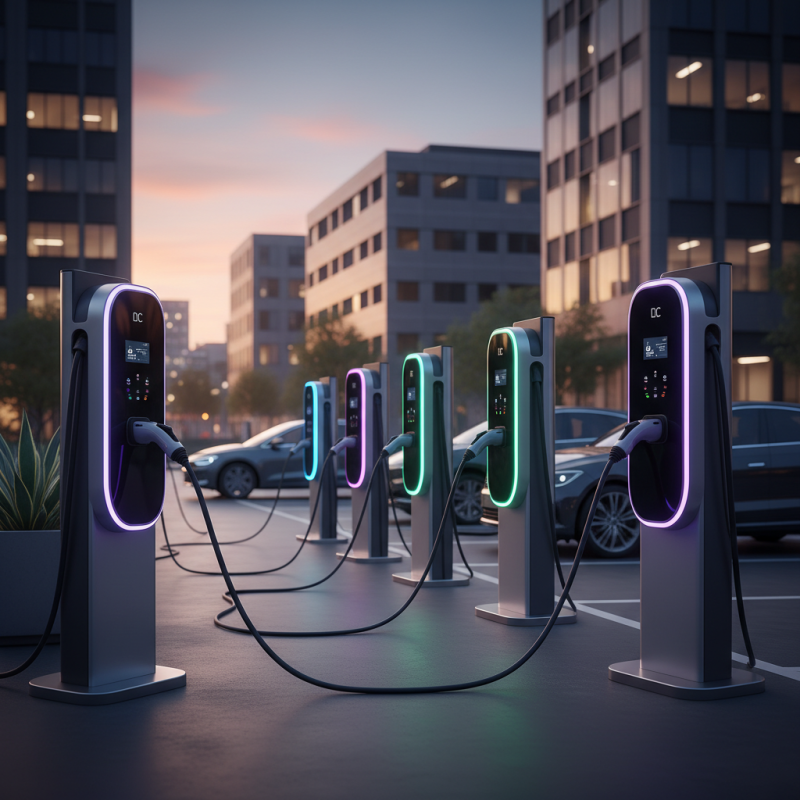
Top-Rated DC Car Chargers: An Overview of Features and Benefits
DC car chargers are essential for electric vehicle (EV) owners. These chargers can significantly reduce charging time compared to standard chargers. They provide high power output, allowing you to quickly charge your EV during trips or at work. Many modern DC chargers come with features like smartphone compatibility and real-time charging status updates. This connectivity enhances user experience.
Tips: When choosing a charger, consider installation requirements. Ensure your charging location has the proper electrical capacity. Not all chargers are compatible with every EV model, so research your vehicle’s specifications. Look for models that offer temperature and safety features to prevent overheating.
Some users may find that charger placements are inconvenient. It’s crucial to assess your daily routines and parking habits. Additionally, consider the length of the charging cable. A longer cable can add flexibility if your parking situation isn’t straightforward. This attention to detail can enhance the overall charging experience.
Top 10 DC Car Chargers You Should Consider for Your EV
This chart compares the charging speeds of the top 10 DC car chargers available for electric vehicles. As EV technology advances, selecting the right charger with adequate power capacity is essential for optimizing charging times.
Charging Speed Comparison: How DC Chargers Outperform AC Alternatives
When comparing charging speeds, DC fast chargers outshine AC alternatives significantly. According to a report from the U.S. Department of Energy, DC chargers can deliver up to 350 kW of power. This allows an electric vehicle (EV) to gain approximately 80% charge in just 20-30 minutes. In contrast, typical AC chargers provide around 7.2 kW, taking several hours for a complete charge.
Speed is not the only factor to consider. Efficiency also plays a role. DC chargers convert electricity directly, minimizing energy loss. Reports indicate that losses with AC charging can reach 15%. This means EV owners could save on energy costs and reduce charge times by using high-output DC chargers.
Despite the advantages, some challenges exist. The installation of DC charging stations requires significant investment. Many locations still prioritize AC charging infrastructure. This leads to limited DC availability in certain regions. Furthermore, not all EVs support fast charging, making it crucial for buyers to consider their vehicle's compatibility. As technology advances, these issues may reduce, but they remain relevant today.
Key Technical Specifications to Consider When Choosing a DC Charger
When selecting a DC charger for your electric vehicle (EV), technical specifications play a crucial role. Charging speed is one of the most vital aspects. Fast chargers can deliver up to 350 kW, significantly reducing charging time. Research indicates that high-powered chargers can replenish an EV's battery to 80% in just 30 minutes. This is especially important for drivers who frequently travel long distances.
Another key specification is the charger’s compatibility. Not all EVs accept every type of DC fast charger. According to the International Energy Agency, widespread standardization is still an ongoing process. Ensuring compatibility can prevent frustrating situations at charging stations. Additionally, consider the operating temperature range of the charger. Chargers that can function effectively in extreme conditions can be invaluable in varying climates.
Beyond the basics, smart features are becoming essential. Some chargers offer connectivity, allowing users to monitor charging status remotely. According to a report by the EV Charging Association, around 40% of EV owners value this feature. Furthermore, safety certifications, such as UL listings, add an extra layer of assurance, although not all chargers carry such certifications. It's equally important to reflect on the longevity and maintenance needs of chargers, as some may require more frequent upkeep than others.
Market Trends: The Growing Demand for DC Fast Chargers in EV Adoption
The adoption of electric vehicles (EVs) is accelerating, leading to a surge in the demand for DC fast chargers. Industry reports indicate that the global market for DC fast chargers is projected to reach $30 billion by 2028, growing at a CAGR of over 30%. This rapid growth reflects the necessity for charging solutions that meet the demands of modern EV users. Fast chargers can provide an 80% charge in about 30 minutes, making them essential for long-distance travel.
However, many consumers are still unaware of the available options. Selecting the right DC charger can be overwhelming due to the variety of models, features, and price points. A recent analysis suggests that understanding your specific charging needs is crucial. Urban drivers may prioritize compact chargers, while fleet operators might seek high-output models for quick turnaround.
Tips: Research compatibility with your EV model. Evaluate the installation requirements beforehand. Consider features like built-in safety protocols and connectivity options for ease of use. Many chargers offer smart features such as scheduling, which can save on energy costs.
The landscape of EV charging is still developing. As technology evolves, so do consumer expectations. The challenge lies in maintaining a balance between cost, efficiency, and accessibility. Moreover, regulatory frameworks vary significantly across regions, complicating the standardization of DC charger infrastructure. Increasing consumer awareness about these aspects can pave the way for smarter and more sustainable EV charging solutions.
Cost Analysis: Evaluating the Price vs. Performance of Top DC Chargers
When choosing a DC car charger for your electric vehicle, cost is a major factor. Many high-performance chargers come with a hefty price tag. However, analyzing their features can reveal hidden benefits. While some may seem expensive initially, factors like charging speed and durability can justify the investment. A charger that offers rapid charging, for instance, can save significant time and improve your EV's usability.
The price versus performance balance varies among different models. A mid-range charger may perform well in everyday scenarios but fall short during peak usage. Assessing real user reviews can highlight these inconsistencies. In some cases, a lower-priced option might be enough for casual drivers. Yet, for heavy users, the benefits of a premium charger could outweigh the costs over time. Exploring long-term savings is essential. It can lead to more informed decisions about which DC chargers to consider. A well-chosen charger can enhance your EV experience without breaking the bank.
Top 10 DC Car Chargers You Should Consider for Your EV
| Model | Charging Speed (kW) | Price ($) | Charging Time (mins) | Warranty (Years) | Performance Rating (out of 5) |
| Charger A | 50 | 800 | 30 | 3 | 4.5 |
| Charger B | 100 | 1200 | 20 | 5 | 4.7 |
| Charger C | 75 | 950 | 25 | 4 | 4.6 |
| Charger D | 60 | 700 | 35 | 3 | 4.4 |
| Charger E | 200 | 1400 | 15 | 6 | 4.8 |
| Charger F | 90 | 1100 | 22 | 4 | 4.5 |
| Charger G | 120 | 1300 | 18 | 5 | 4.9 |
| Charger H | 30 | 500 | 45 | 2 | 4.0 |
| Charger I | 150 | 1150 | 16 | 5 | 4.6 |
| Charger J | 45 | 600 | 40 | 3 | 4.2 |