Best Electronic Power Transformer Manufacturers in China
China’s electricity system is expanding quickly, and dependable transformers sit at the heart of that change. The National Energy Administration reported that China’s installed power-generation capacity reached about 3.35 billion kilowatts by the end of 2024, up 14.6% year over year. That figure describes generation capacity, not transformer sales. Still, it signals why grid equipment, efficient voltage conversion, and reliable supply deserve close attention.
The International Energy Agency’s 2023 report, Electricity Grids and Secure Energy Transitions, says annual grid investment must rise from roughly USD 300 billion to more than USD 600 billion by 2030. This is a global estimate, not a forecast for Chinese transformer orders. But it shows the scale of the wider infrastructure challenge. For buyers, choosing among China’s manufacturers means looking beyond price and catalogue ratings. An Electronic Power Transformer must match its actual duty: voltage class, capacity, cooling method, losses, operating environment, and required testing.
This guide compares manufacturers through practical signals: product range, engineering capability, production quality controls, certifications, and after-sales support. Ask for test records. Check the details. A polished brochure is useful, but it cannot replace verified technical evidence or a clear factory audit. Some specifications may look similar on paper; real operating conditions can expose important differences. The comparison is a starting point, not a substitute for application-specific engineering review.
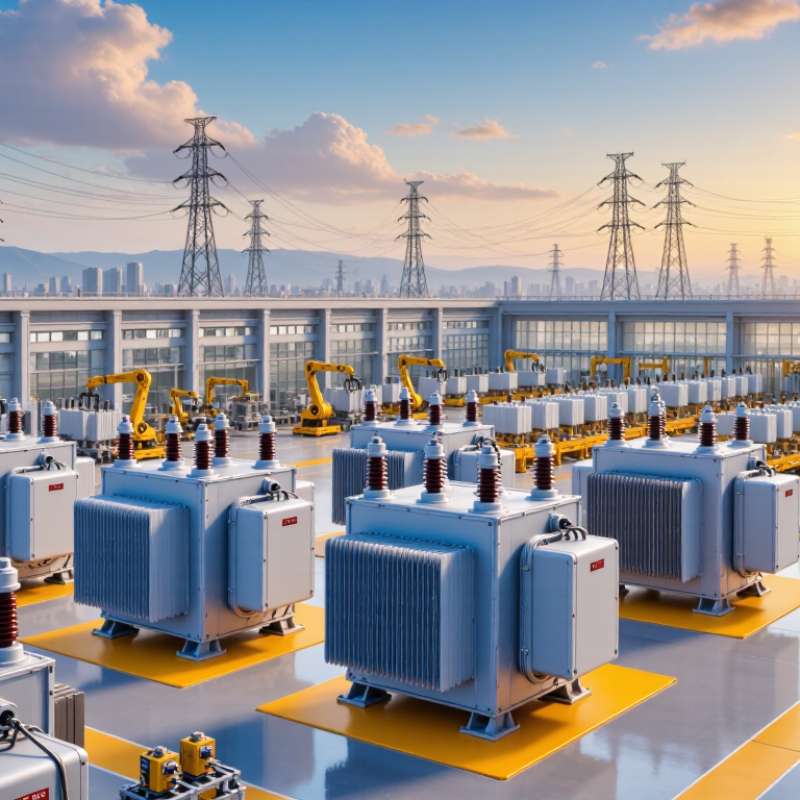
China’s Electronic Power Transformer Industry and Its Development
China’s electronic power transformer industry has moved beyond basic capacity expansion toward efficiency, reliability, and application-specific design. Demand from renewable energy, data centers, factory automation, and electric transport is changing buyer expectations. A compact transformer in a control cabinet may face heat, vibration, and limited airflow. That matters. Manufacturers are refining magnetic materials, winding processes, and thermal testing. Progress, however, is uneven. Some projects still prioritize purchase price over lifetime energy losses, potentially obscuring long-term operating costs.
The industry’s development also relies on skilled engineers and dependable component supply. Copper, electrical steel, insulation, and core geometry all affect performance, not just the nameplate rating. Buyers can compare efficiency curves, temperature-rise data, acoustic behavior, and documented quality controls. A datasheet rarely tells the whole story. Sample testing under realistic loads may reveal issues that brief factory checks miss. China’s production scale offers flexibility, yet volume alone cannot ensure consistent results. Technical information can also vary between suppliers and projects. Clear specifications and traceable test records help address that gap.
Main Transformer Types and Their Industrial Applications
Industrial plants rely on several transformer types, each designed for a different part of the power system. Power transformers connect high-voltage transmission networks to substations, supporting steelworks, chemical plants, and large manufacturing campuses. Distribution transformers then lower voltage for production lines, lighting, and building services. The IEA’s Electricity 2025 report states that global electricity demand grew 4.3% in 2024, reinforcing the need for reliable conversion and delivery equipment.
Oil-immersed transformers suit outdoor substations and high-capacity service, where cooling and space are important. Dry-type units are often selected for indoor facilities, such as hospitals, data centers, and factories, because they avoid insulating-oil leaks. Isolation transformers help separate sensitive control circuits from electrical noise. Autotransformers can efficiently adjust voltage where input and output voltages are close. A type label alone is not enough.
Efficiency matters over years of operation. The U.S. Department of Energy’s 2013 distribution-transformer analysis estimated annual U.S. energy losses at about 61 billion kilowatt-hours. That figure is old, and operating conditions vary, but it shows why core losses deserve attention. Buyers should compare load profiles, ambient temperature, harmonic content, and maintenance access—not just rated capacity. In practice, an oversized unit may appear safer, yet it can waste energy under light loads.
Criteria for Evaluating Chinese Transformer Manufacturers
Best Electronic Power Transformer Manufacturers in China
Criteria for Evaluating Chinese Transformer Manufacturers
Evaluate manufacturers by engineering capability, production controls, and the evidence they can provide. Ask for drawings, material specifications, and test records for the transformer type you need. Specific documents matter more than broad claims. Ask for evidence.
Check whether the supplier can explain core materials, winding design, insulation choices, and expected operating conditions. For a custom unit, share voltage, frequency, load profile, installation space, and cooling requirements. A useful technical discussion should expose trade-offs, not hide them.
Production quality deserves close attention. Request details on incoming-material checks, winding inspection, final testing, and traceability. If possible, review a sample test report and confirm which tests apply to your order. Measure twice. Also compare stated capacity with delivery schedules and the production steps involved; a large facility does not automatically mean every project gets equal attention.
After-sales support is easy to overlook. Clarify response times, spare-part availability, documentation, and how technical issues are handled across time zones. Check references for projects with similar ratings or applications, while recognizing that one customer’s experience may not predict yours. Price comparisons can be misleading when test scope, materials, and warranty terms differ. A neat scorecard helps, but it cannot replace careful questions.
Profiles of Leading Electronic Power Transformer Manufacturers in China
Profiles of leading electronic power transformer manufacturers in China reveal distinct strengths. Some focus on compact high-frequency units for chargers and industrial drives. Others specialize in custom isolation transformers, planar designs, or high-volume assemblies. Strong profiles show core material, switching frequency, rated power, insulation class, and thermal-rise results—not just a product photo. Look for documented tests and traceable production records.
The wider demand context is significant. The International Energy Agency’s 2023 report, Electricity Grids and Secure Energy Transitions, says annual grid investment must rise from about USD 300 billion to more than USD 600 billion by 2030. This is a grid-wide estimate, not a forecast for electronic transformers, but it highlights the need for dependable power equipment. A practical supplier review should compare efficiency at realistic loads, temperature performance, noise, and delivery consistency. Catalog data can be thin. Ask for test conditions; otherwise, two efficiency figures may not be comparable.
Tips: Request a sample and test it under your actual voltage, load, and cooling conditions. Check winding temperature after sustained operation, not only at startup. Small details matter. One weakness in this approach: sample results may not represent every production batch, so verify ongoing inspection records too.
Best Electronic Power Transformer Manufacturers in China
A technology reference for comparing transformer design capabilities—not a ranking of individual manufacturers.
The chart shows broad, representative switching-frequency ranges used in SMPS designs. Actual operating frequencies depend on topology, power level, materials, and thermal requirements; confirm specifications directly when evaluating a manufacturer.
Quality Standards, Certifications, and Emerging Market Trends
China’s electronic power transformer manufacturers serve consumer devices, industrial controls, renewable-energy systems, and data centers. Quality begins with the intended application. A compact switching transformer faces different insulation, temperature, and vibration demands than a distribution unit. Buyers should check winding specifications, core material, rated temperature rise, and test reports—not rely on a catalogue rating alone. Small details matter.
Standards and certificates need careful interpretation. IEC 61558 may apply to many small transformers and power supplies, while IEC 60076 covers power transformers. The relevant requirements depend on product design and destination market. ISO 9001 indicates a quality-management system; it does not certify every transformer model. Ask for traceable test records, insulation-resistance results, and evidence that the tested sample matches the delivered design. A tidy certificate folder is not enough.
Market trends are changing design priorities. Silicon-carbide and gallium-nitride systems can operate at higher switching frequencies, enabling smaller magnetic components, but they also demand tighter control of losses and heat. Manufacturers are investing in automated winding, better thermal materials, and production traceability. For buyers, a factory audit can reveal practical issues, such as inconsistent solder joints or weak labeling. Yet audits offer only a snapshot. Specifications can change, and verification should continue across production batches.