Top 10 Fiber Laser Cutting Machines to Enhance Your Business?
In today’s competitive market, choosing the right equipment is crucial. A Fiber Laser Cutting Machine can significantly enhance your business efficiency and precision. According to Dr. Emily Carter, a leading expert in laser technologies, "The advancement in fiber laser cutting technology has reshaped industrial production." This highlights the importance of staying updated with cutting-edge machines.
Fiber Laser Cutting Machines offer unparalleled speed and accuracy. They can handle a variety of materials with ease. Businesses that invest in these machines often see increased productivity and reduced operational costs. However, not all fiber lasers are created equal. Each machine has its unique features and capabilities, making the selection process challenging.
It's vital to analyze your specific needs before investing. Consider factors like material types, thickness, and production volume. A well-informed decision will pay off in the long run. Yet, many businesses overlook the potential pitfalls. Rushing into a purchase without proper research can lead to regrets. Your success depends not just on the machine, but also on understanding how to leverage it effectively.
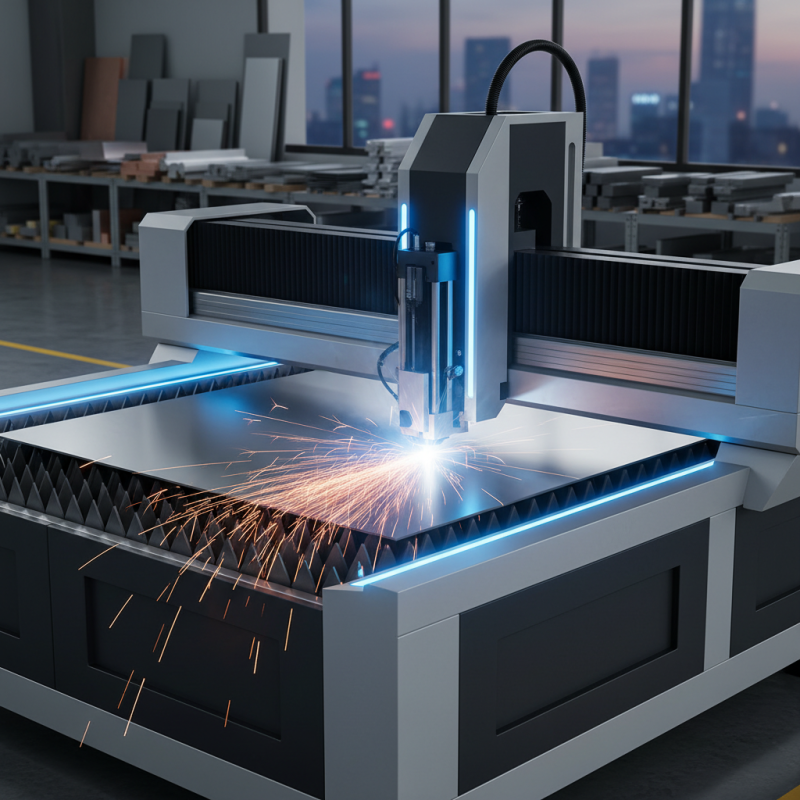
Overview of Fiber Laser Cutting Technology
Fiber laser cutting technology represents a significant advancement in manufacturing processes. With a focus on precision, this technology uses high-powered laser beams to cut through various materials efficiently. According to a recent industry report, the global fiber laser cutting machine market is projected to reach $3.61 billion by 2026, growing at a CAGR of 11.7%. This growth is driven by the demand for high-quality cuts and the reduction in operational costs compared to traditional cutting methods.
The unique advantages of fiber lasers include their ability to cut through thicker materials with high speed and accuracy. This is partly due to their higher energy efficiency, often achieving up to 30% better efficiency than CO2 lasers. Renewable manufacturing practices are gaining traction, making fiber lasers an attractive choice as they consume less power and have lower maintenance requirements. However, businesses need to consider the initial investment and the learning curve associated with these advanced machines.
While the technology is promising, some challenges remain. Operators may require specialized training to maximize efficiency and avoid potential errors. Moreover, not all materials can be cut with fiber lasers, meaning organizations must evaluate their specific needs carefully. Embracing this technology requires a thoughtful approach and ongoing assessment of its impact on production capabilities.
Key Features to Look for in Fiber Laser Cutting Machines
When selecting a fiber laser cutting machine, several key features deserve attention. Power output is crucial; a higher wattage typically ensures faster cutting speeds. It’s important to assess the machine's versatility. Many industries require different materials to be cut, from metals to plastics. A machine that can handle various materials adds substantial value to your operations.
Additionally, consider the ease of use. An intuitive user interface can drastically reduce training time. Look for machines with software that allows for easy design integration. This minimizes the learning curve for new operators. Cutting precision is also vital; a good machine provides consistent, high-quality cuts to maintain product integrity.
While it’s tempting to go for the latest technology, reflect on your business needs. Sometimes, newer features may not align with your operational goals. Regular maintenance is another aspect to think about. A reliable machine should also come with robust support and service options. Not taking these factors into account can lead to challenges down the road. Therefore, thorough research can save time and costs later on.
Top 10 Fiber Laser Cutting Machines for Industrial Use
Fiber laser cutting machines have revolutionized industrial manufacturing. These machines offer precision and efficiency, making them essential for various applications. Choosing the right cutting machine can significantly impact your production capabilities.
When selecting a fiber laser cutting machine, consider the material types you'll work with. Different machines excel with metals, plastics, or composites. Ensure the machine you choose can handle varying thicknesses to accommodate diverse projects.
Tip: Regular maintenance is crucial. A well-maintained machine operates better and lasts longer. Schedule periodic checks to ensure optimal performance. Another important aspect is the software compatibility. Ensure that the machine integrates smoothly with your existing systems for seamless workflow.
Evaluate the cutting speed and power output. Higher wattage typically translates to faster cutting speeds. However, it is essential to balance speed with the quality of cuts to prevent waste. Be prepared to experiment with settings to find the best combination for your materials.
Comparative Analysis of Machine Performance and Cost
When evaluating fiber laser cutting machines, performance and cost are pivotal. These machines vary in speed, precision, and maintenance needs. High-speed models are great for large-scale production. However, they often come with hefty price tags. In contrast, affordable models may sacrifice speed or quality, impacting overall efficiency.
Not all machines excel in all areas. Some may offer superior cutting thickness but struggle with intricate designs. Maintenance costs can add up over time, especially for high-end models. Consider total ownership costs. What seems affordable at first might lead to higher expenses later. Finding the right balance of performance and cost is crucial for long-term success.
Understanding operational needs is essential. Businesses should reflect on the materials they often work with. Some machines are better for metals, while others excel with plastics. It’s vital to analyze not just the upfront costs but also the longevity and reliability of the machine. Take time to evaluate your options to make an informed decision that truly enhances your business.
Tips for Choosing the Right Fiber Laser Cutting Machine for Your Business
Choosing the right fiber laser cutting machine is crucial for business growth. According to recent industry reports, the market for laser cutting machines is expected to grow at a CAGR of 7% from 2023 to 2030. This growth highlights the importance of investing in the right technology.
When selecting a machine, consider the thickness of the materials you will cut. For example, some machines excel at cutting thin sheets, while others can handle thicker materials more effectively. Additionally, ensure that the machine's speed aligns with your production needs. A faster cutting speed can lead to increased productivity but may affect precision.
Tip 1: Assess your production volume and material types before purchasing. Understanding your requirements will help you choose a machine that enhances efficiency.
Tip 2: Look for machines with user-friendly interfaces. A machine that is easier to operate can significantly reduce training time for staff.
It's common to overlook energy efficiency. Many operators focus on performance but neglect the long-term costs associated with power consumption. Opting for machines with lower energy requirements can save significant operational costs over time. Consider these aspects carefully; they directly impact your business's bottom line.
Top 10 Fiber Laser Cutting Machines to Enhance Your Business
| Machine Model | Power (W) | Cutting Area (mm) | Max Cutting Thickness (mm) | Speed (m/min) | Price Range (USD) |
| Model A | 1000 | 1500 x 3000 | 10 | 30 | $50,000 - $60,000 |
| Model B | 2000 | 2000 x 4000 | 15 | 40 | $70,000 - $80,000 |
| Model C | 3000 | 3000 x 6000 | 20 | 50 | $90,000 - $100,000 |
| Model D | 4000 | 4000 x 8000 | 25 | 60 | $110,000 - $120,000 |
| Model E | 5000 | 5000 x 10000 | 30 | 70 | $130,000 - $140,000 |
| Model F | 6000 | 6000 x 12000 | 35 | 80 | $150,000 - $160,000 |
| Model G | 7000 | 7000 x 15000 | 40 | 90 | $170,000 - $180,000 |
| Model H | 8000 | 8000 x 20000 | 45 | 100 | $190,000 - $200,000 |
| Model I | 9000 | 9000 x 25000 | 50 | 110 | $210,000 - $220,000 |
| Model J | 10000 | 10000 x 30000 | 55 | 120 | $230,000 - $240,000 |