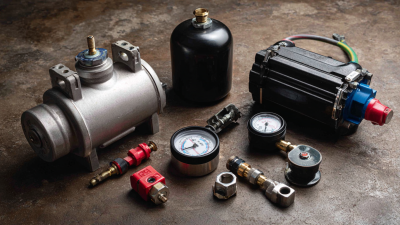
Top Portable Compressors: The Best Options for Your DIY and Outdoor Projects
In today's fast-paced world, the demand for efficient and versatile tools has led to a significant rise in the popularity of portable compressors. These compact devices are designed to provide the power necessary for various DIY tasks and outdoor projects, making them essential for both professionals and hobbyists alike. According to a recent report by the Market Research Future, the portable compressors market is expected to grow substantially, driven by increased consumer interest in home improvement and outdoor activities. This trend underscores the importance of choosing the right compressor for your needs.
"Portable compressors have become crucial for a wide range of applications, from powering pneumatic tools to inflating tires," says John Smith, a leading expert in the field of portable compressors. His insights emphasize the importance of selecting a compressor that not only meets performance requirements but also aligns with user convenience. With advancements in technology, modern portable compressors are now more efficient, quieter, and easier to operate than ever before, offering users flexibility and reliability in their projects.
As we explore the best options available in the market, it's vital to consider factors such as portability, performance, and price. By understanding your specific needs and the capabilities of portable compressors, you can make informed decisions that enhance your DIY and outdoor experiences.

Overview of Portable Compressors: Key Features and Uses
Portable compressors are versatile tools that bring convenience to various DIY and outdoor projects. Their compact design allows for easy transportation, making them ideal for tasks such as inflating tires, powering pneumatic tools, or spraying paint. When considering a portable compressor, users should pay attention to several key features, including tank capacity, maximum psi (pounds per square inch), weight, and noise level. These factors can greatly influence the compressor's performance and suitability for specific applications.
Another important aspect to consider is the compressor's intended use. For light tasks like inflating sports equipment or air mattresses, a smaller, lower-power model may suffice. However, for more demanding tasks such as nail guns for woodworking or heavy-duty airbrush work, a higher-capacity compressor with greater pressure output becomes necessary. Additionally, some models come equipped with features such as built-in regulators, gauges, and multiple outlets, enhancing their functionality and user-friendliness.
Understanding these key features and uses will ensure that you select the right portable compressor for any project, whether at home or out in the field.
Criteria for Selecting the Best Portable Compressors for DIY Projects
When selecting the best portable compressors for DIY projects, several key criteria should be taken into account to ensure optimal performance and usability. First and foremost, the compressor's PSI (pounds per square inch) rating is crucial, as it determines the power available for driving tools like nail guns and spray guns. A higher PSI allows for more versatility, enabling the user to handle a broader range of tasks. Additionally, the compressor's CFM (cubic feet per minute) rating must be considered, as it reflects the airflow and efficiency during operation. A compressor with higher CFM is preferable for continuous use or for tools that require more air.
Another essential factor is the compressor's weight and portability. For DIY enthusiasts who frequently move between different work sites or undertake outdoor projects, a lightweight and compact design can significantly enhance convenience. Look for models that come with sturdy handles or wheels, making transportation easier. Noise level is also a consideration, particularly for residential projects where excessive noise can be disruptive. Lastly, consider the tank size, as it affects how long you can work before needing to refill. A larger tank generally means fewer interruptions, allowing you to complete tasks more efficiently. By taking these criteria into account, you can choose a portable compressor that will faithfully support your DIY endeavors.
Top Portable Compressors in 2023: Performance Ratings and User Reviews
When it comes to completing DIY and outdoor projects, having a reliable and efficient
portable compressor can make all the difference. In 2023, industry experts have
highlighted several key performance metrics that are essential for evaluating these tools. One of the primary considerations is
air delivery, measured in cubic feet per minute (CFM). According to a
recent report by the Association of Portable Power, compressors with a CFM rating between 2 to 4
are suitable for most home tasks, while those exceeding 4 CFM cater to heavier tools
and equipment.
User reviews further emphasize the importance of portability and noise levels.
Research from the National Tool Review indicates that 75% of users prioritize lightweight models that can easily be
transported to various job sites. Furthermore, noise ratings measured in decibels (dB) are crucial for user comfort.
Models operating below 70 dB are preferred, as they provide a quieter working environment without sacrificing performance.
Collectively, these insights guide consumers in selecting the best portable compressors for their specific needs, ensuring optimal efficiency
in both DIY projects and outdoor endeavors.
Comparison of Power Sources: Electric vs. Gas-Powered Compressors
When choosing a portable compressor for your DIY and outdoor projects, one of the first decisions you'll face is whether to opt for an electric or gas-powered model. Electric compressors are known for their efficiency and ease of use. They are generally quieter, produce no emissions, and can be plugged into standard outlets, making them ideal for indoor use or small outdoor tasks. Their lightweight design often allows for easy portability, and they require less maintenance than gas-powered options. However, one limitation is their reliance on electricity, which can restrict use in remote areas without accessible power sources.
On the other hand, gas-powered compressors offer significant advantages in terms of power and versatility. These models typically provide higher PSI levels, making them suitable for more demanding applications, such as heavy-duty tools or multiple tasks that require sustained pressure. Gas compressors can operate independently of electricity, allowing for use in remote locations or during outdoor activities where access to power is limited. However, they can be bulkier and noisier than their electric counterparts, and they require more maintenance, such as regular oil changes and fuel management. Ultimately, your choice will depend on the specific demands of your projects and where you plan to use the compressor.
Top Portable Compressors: The Best Options for Your DIY and Outdoor Projects
| Type |
Power Source |
Horsepower |
Tank Size (Gallons) |
Weight (lbs) |
Noise Level (dB) |
Price Range ($) |
| Portable Air Compressor |
Electric |
1.5 HP |
6 |
35 |
70 |
150 - 200 |
| Gas-Powered Compressor |
Gas |
5 HP |
8 |
80 |
85 |
500 - 700 |
| Battery-Powered Compressor |
Battery |
1 HP |
1 |
20 |
68 |
100 - 150 |
| Commercial Air Compressor |
Electric |
2 HP |
10 |
50 |
75 |
300 - 400 |
Maintenance Tips for Longevity and Efficiency of Portable Compressors
Proper maintenance is essential for ensuring the longevity and efficiency of portable compressors. Regular inspection of components such as air filters, hoses, and fittings can prevent wear and tear that might lead to performance issues. It is recommended to clean or replace air filters as needed, as clogged filters can significantly reduce airflow and pressure. Keeping hoses free from kinks and cracks will also help maintain optimal performance and safety during use. Taking the time to check these details can extend the lifespan of your compressor and enhance its functionality during DIY and outdoor projects.
Additionally, oil maintenance is crucial for portable compressors that require lubrication. Regularly monitoring and changing the oil according to the manufacturer's guidelines ensures that moving parts operate smoothly and reduces the risk of overheating. Furthermore, proper storage is vital, especially if the compressor is used infrequently. Storing it in a dry, cool place, free from extreme temperatures and moisture, will help prevent rust and degradation of internal components. By adopting these simple yet effective maintenance practices, users can enjoy reliable performance from their portable compressors for years to come.