Top 10 Sliding Door Designs for Modern Homes Today?
Sliding Doors have transformed modern homes, marrying functionality and aesthetics. According to a report by IBISWorld, the sliding door industry has seen a growth rate of 4.5% annually. This trend reflects homebuyers' preference for spaces that seamlessly connect indoors and outdoors. As homeowners seek to maximize light and space, sliding doors have emerged as a preferred solution.
In addition to their practical benefits, sliding doors offer versatile design options. From sleek glass panels to rustic wooden frames, there is something for every style. However, not all sliding door designs cater to every need. Homeowners must balance aesthetics with functionality. Poor installation can lead to frequent maintenance issues and safety concerns.
Ultimately, selecting the right sliding door requires careful consideration. It is essential to choose a design that complements your home while being durable and reliable. Understanding these aspects can lead to a more informed decision, ensuring that the chosen sliding door enriches your living space rather than detracts from it.
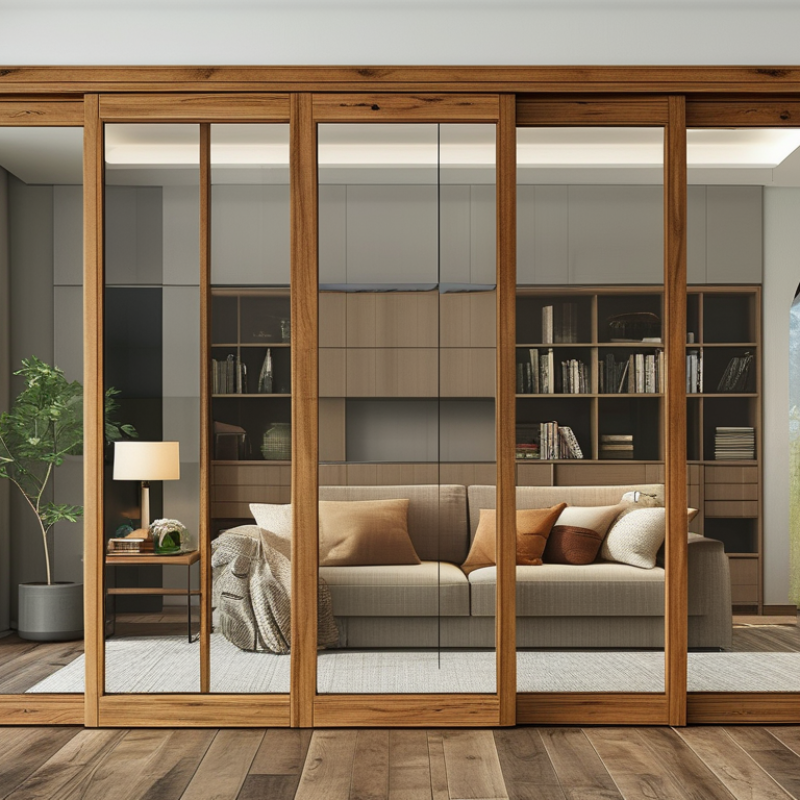
Overview of Sliding Door Styles for Modern Homes
Sliding doors are essential in modern home design. They offer flexibility and style while enhancing functionality. Today, a variety of styles are available to fit different aesthetics and spaces.
One popular design is the minimalistic sliding door. With clear glass panels and sleek frames, these doors create a seamless connection between indoors and outdoors. Their simplicity allows natural light to flood the room, making spaces feel larger. On the other hand, barn-style sliding doors provide a rustic charm. They stand out with their bold wooden surfaces and sliding mechanisms, adding warmth to modern interiors.
Other options include frosted glass doors. These provide privacy without sacrificing light. However, they may not suit everyone's taste due to their opaqueness. Also, pocket doors are practical. They slide into the wall, saving space. Yet, installation can be challenging and may require professional assistance. Balancing aesthetics and functionality is vital when selecting the right sliding door design for your home.
Top 10 Sliding Door Designs for Modern Homes
Key Materials Utilized in Modern Sliding Door Designs
Modern sliding door designs blend style with functionality. Key materials play a significant role in their overall appeal. Glass, metal, and wood are popular choices. Each material contributes unique qualities.
Glass offers transparency and light. It connects indoor and outdoor spaces seamlessly. However, it requires regular cleaning. Fingerprints and dust can diminish its beauty. On the other hand, metal provides durability and a sleek look. Aluminum is lightweight, while steel adds strength. Yet, metal can feel cold and uninviting without the right decor.
Wood brings warmth and texture. It can be stained or painted to match various aesthetics. However, wood can warp or crack with humidity changes. Homeowners should consider maintenance when choosing this option. The right material creates the perfect sliding door, blending design with everyday needs.
Innovative Features in Contemporary Sliding Doors
Sliding doors have evolved significantly, becoming more than just entry points in modern homes. Contemporary designs incorporate innovative features that enhance functionality and aesthetics. Some sliding doors now come with smart technology, allowing homeowners to control them via smartphone apps. This convenience adds a layer of luxury that many desire today.
Another noteworthy feature in modern sliding doors is their energy efficiency. Many designs utilize double or triple glazing, which reduces heat transfer. This feature is crucial for maintaining indoor temperatures. Additionally, some sliding doors include integrated blinds between the glass, offering privacy and light control without the clutter of traditional window treatments.
The use of natural materials has also increased. Wood, metal, and glass are frequently combined to create visually stunning designs. However, maintaining these materials can be challenging. While they enhance beauty, they may require regular upkeep to preserve their appearance. These evolving trends highlight the creativity and complexity of contemporary sliding door designs.
Top 10 Sliding Door Designs for Modern Homes Today
| Design | Material | Features | Energy Efficiency | Price Range |
| Minimalist Glass | Tempered Glass | Wall-to-Wall Design | High | $1,500 - $3,000 |
| Classic Wooden | Oak | Natural Finish | Medium | $800 - $2,000 |
| Industrial Style | Steel and Glass | Exposed Hardware | High | $2,000 - $4,000 |
| Bi-Fold Doors | Aluminum | Foldable Panels | High | $1,500 - $3,500 |
| Sliding Patio Doors | Vinyl | Weather Resistant | Medium | $700 - $2,000 |
| Contemporary Shaker | Wood | Clean Lines | Medium | $1,000 - $2,500 |
| Stacking Doors | Aluminum | Flexible Opening | High | $2,500 - $5,000 |
| Frosted Glass | Laminated Glass | Privacy Option | Medium | $1,000 - $2,000 |
| Smart Sliding Doors | Composite | Automated Systems | High | $2,000 - $6,000 |
| Retractable Screens | Fiberglass | Insect Protection | Medium | $500 - $1,500 |
Aesthetic Trends in Sliding Door Design for Today's Homes
Sliding doors are a significant trend in modern home design. Their aesthetic appeal lies not only in functionality but also in shaping spaces. Natural light and seamless transitions between indoor and outdoor areas are key factors driving their popularity. According to a report by the American Institute of Architects, 70% of homeowners prioritize natural light when designing their spaces. Sliding doors effectively enhance this aspect, creating brighter, airier environments.
In recent years, the design of sliding doors has evolved significantly. Contemporary styles often use materials like glass and metal, offering sleek lines and minimalistic looks. A study by the National Association of Home Builders notes that 65% of new homes feature large sliding doors, showcasing their modern appeal. Additionally, integrating smart technology into sliding doors is on the rise. Homeowners now seek features like automated locking systems, which provide both convenience and security. However, there is a challenge in balancing aesthetics with energy efficiency, as large glass areas can lead to increased energy costs if not designed thoughtfully.
Innovation in sliding door design should also address potential weaknesses. Trends show that while large glass panels are favored, they can impact privacy and sound insulation. Many families find this aspect challenging. Customization options must enhance user experience rather than complicate it. Thoughtful design can mitigate potential drawbacks, ensuring homes remain both stylish and functional.
Functional Benefits of Installing Sliding Doors in Modern Spaces
Sliding doors are becoming increasingly popular in modern home design. They offer several functional benefits that can enhance both usability and aesthetics in contemporary living spaces. According to a report by the National Association of Home Builders, about 45% of homeowners prefer sliding doors for their design flexibility and efficiency. These doors create seamless transitions between indoor and outdoor areas, making spaces feel larger and more interconnected.
Moreover, sliding doors are energy-efficient. A study by the Department of Energy indicates that properly installed sliding glass doors can reduce energy costs by up to 20%. This is significant, particularly in regions with extreme weather. Using double-glazed glass improves insulation, ensuring a comfortable environment year-round. However, some homeowners report challenges with maintenance. Sliding doors require regular cleaning, especially on tracks, to maintain smooth operation.
Another notable aspect is accessibility. Sliding doors can accommodate diverse lifestyles, beyond just aesthetics. They are particularly beneficial for individuals with mobility challenges. However, the design must factor in dimensions to ensure ease of use. Security features are also crucial, and not all models are created equal. Reflecting on these points helps homeowners make informed decisions while enhancing their living spaces effectively.