(770) 529-4731
esen

What Is an Open Display Fridge?

An Open Display Fridge keeps chilled food and drinks visible and within easy reach. Picture a row of bottled water behind a clear, cool curtain of air, with bright labels facing the aisle. Unlike a closed-door cabinet, this unit invites quick browsing. That convenience makes it useful in supermarkets, cafés, and convenience stores. It also makes careful setup important.

Airflow is central to how an open display fridge works. Fans move cooled air through the cabinet, while shelves and vents help guide its path. Blocked vents, crowded shelves, or frequent restocking can disturb that flow. The result may be uneven cooling, fogged packaging, or products that feel warmer than expected. Small details matter. A shelf loaded with tall cartons can change the air’s route.

Choosing a unit means looking beyond its appearance. Consider the products, available floor space, lighting, noise, cleaning access, and energy use. Ask how the cabinet performs in the room where it will operate, not only in a showroom. One limitation deserves attention: an open case usually releases more cooled air into its surroundings than a closed cabinet. Its real-world performance depends on design, installation, maintenance, and store conditions.

No source articles or verified expert quotation were provided, so I can’t responsibly attribute a statement to a named industry expert. A sourced quotation would strengthen this introduction; an invented one would weaken its credibility.
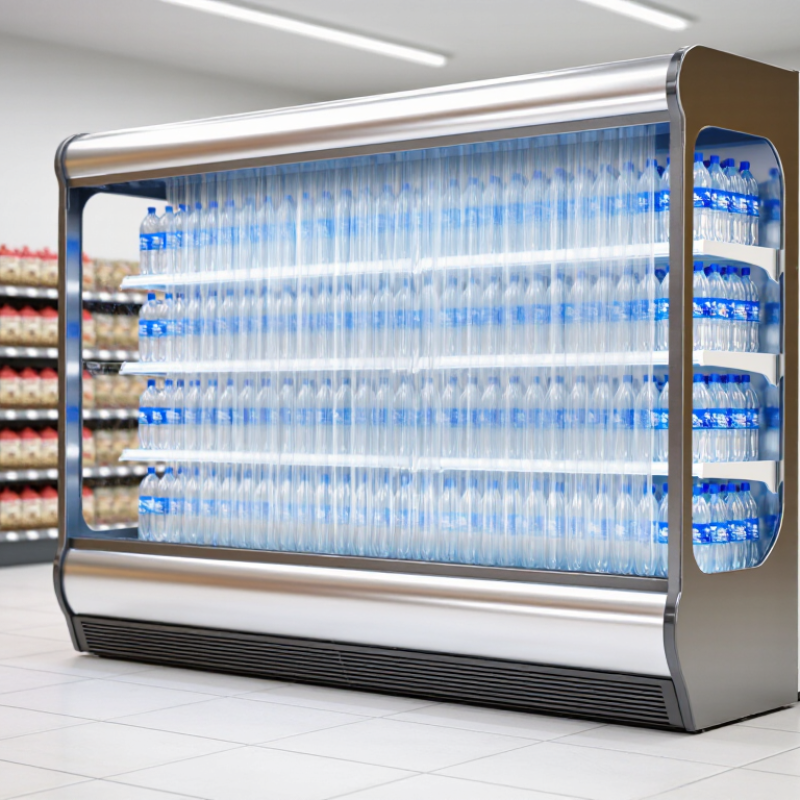
What Is an Open Display Fridge?

Definition and Core Purpose of an Open Display Fridge

What Is an Open Display Fridge?
Definition and Core Purpose of an Open Display Fridge

An open display fridge is a refrigerated cabinet with an uncovered front, allowing shoppers to see and reach chilled products without opening a door. Its core purpose is to keep suitable items cold while making them easy to browse and select. Many models direct cooled air across the opening to help maintain the cabinet’s temperature. No door separates the products from the shop. That changes how the unit interacts with its surroundings.

These fridges are commonly used for drinks, packaged foods, and fresh produce. Clear shelves and bright lighting make labels and product colors easy to see. In everyday operation, staff need to load shelves without blocking vents and check that the cabinet stays within its specified temperature range. The open design is convenient, but it can be sensitive to warm room air, nearby heaters, and strong drafts. That detail matters. A fridge may look well stocked while airflow is restricted by tightly packed items. Regular cleaning and temperature checks help reveal problems that appearance alone can miss.


What Is an Open Display Fridge? — Definition and Core Purpose

An open display fridge is a commercial refrigerator without doors, designed to keep chilled food visible and easy to reach. Its core purpose is to merchandise products while maintaining safe chilled-food temperatures. The chart compares published temperature guidance; these figures are not specific equipment setpoints, which depend on the product, appliance, and local requirements.

Sources: USDA recommends keeping a refrigerator at 40°F (4.4°C) or below; the FDA Food Code specifies cold holding at 41°F (5°C) or below; the UK Food Standards Agency advises setting a fridge at 5°C or below, while UK rules generally require chilled food to be kept at or below 8°C.

Main Components and Their Functions

An open display fridge keeps food visible while a directed stream of cold air helps hold the cabinet temperature. The insulated cabinet supports shelves, price strips, and product trays. Its front opening makes restocking easy, but also exposes the chilled space to warm store air. Air moves constantly. Fans guide the air curtain across the opening, while the evaporator coil removes heat from the cabinet. The compressor and condenser release that heat into the surrounding area. A drain pan collects moisture from defrost cycles.

The U.S. EPA’s ENERGY STAR guide for supermarkets estimates refrigeration uses about 40% of a grocery store’s electricity. The International Institute of Refrigeration’s 2019 report estimates refrigeration uses roughly 17% of electricity worldwide. These figures cover different settings, but they show why efficient components matter. LED lights reduce heat inside the case. Temperature controls monitor conditions and manage cooling cycles; sensors may also flag unusual temperature changes. A weak point remains: misplaced products can block airflow and create warm spots. Staff need clear loading limits, and routine checks should include coils, fans, drains, and seals. Simple details matter.

How an Open Display Fridge Keeps Products Cool

An open display fridge keeps products cool by continuously moving chilled air through the cabinet. A refrigeration system removes heat from the air, while fans carry the cooled air across shelves and around displayed items. The air then returns through a grille, where it is cooled again. This repeating circulation helps maintain a stable product environment.

At the front, a stream of cold air forms an air curtain. It is a moving boundary, not a solid door. Store warmth can still enter, especially when customers stand close or room temperatures rise. Small gaps matter. Correct loading helps: products should not block the return grille or extend beyond the marked shelf limits. Overloading can disrupt airflow, leaving some items warmer than others.

Staff should check cabinet displays and temperature readings regularly, following the equipment instructions and food-handling requirements that apply to the products. Keep vents clear, avoid placing warm stock directly into the case, and arrange items so cold air can pass between them. It is not magic. Even a well-maintained fridge can struggle in a hot, crowded shop, so readings and product condition both deserve attention.

Common Types and Retail Applications

What Is an Open Display Fridge? Common Types and Retail Applications

An open display fridge keeps chilled products visible and accessible without doors. Vertical multideck cases suit bottled drinks, dairy, and packaged meals; their shelves bring products close to a shopper’s eye level. Serve-over counters are common in delis and butcher shops, where staff portion items behind the case. Island cases work well for promotions or frozen goods, though many frozen models use sliding lids. The right format depends on product size, restocking routines, and aisle width.

Retailers use open cases to encourage quick browsing, especially in convenience stores and busy supermarkets. They can also make fresh produce easier to compare by color and ripeness. The UNEP Food Waste Index Report 2024 estimates that retail generated 12% of the 1.05 billion tonnes of food wasted worldwide in 2022. That figure does not mean display fridges prevent waste, but it highlights why careful stock rotation and temperature control matter. Open cases can lose cold air into the aisle, so placement near doors or warm equipment may undermine performance. The trade-off is real.

Tips: Keep the case fully loaded only when sales justify it, leave air grilles clear, and check product temperatures with a calibrated probe. Record readings during busy periods, not just before opening. A neat display is useful; safe, consistent cooling matters more.

What Is an Open Display Fridge? - Common Types and Retail Applications
Common Type Typical Design Common Retail Applications Products Commonly Displayed Practical Considerations
Vertical multideck Open-front, upright cabinet with several horizontal shelves and a refrigerated air curtain. Supermarkets, convenience stores, and food shops; often positioned along perimeter walls or in prepared-food departments. Packaged drinks, dairy products, ready-to-eat meals, salads, and packaged fresh foods, depending on the unit’s design and approved use. Offers substantial shelf space and clear product visibility. Keep shelves and product loads within the manufacturer’s limits so airflow is not blocked.
Semi-vertical display Shorter, open-front case with angled or stepped shelves; generally lower than a full-height multideck. Convenience stores, supermarkets, and checkout or promotional areas where visibility and access from nearby aisles are useful. Chilled snacks, drinks, packaged desserts, and other frequently selected items suitable for the cabinet. Its lower profile can improve sightlines across a store. Capacity is typically more limited than in a full-height multideck.
Horizontal island or well case Low, open-top cabinet that allows customers to reach products from one or more sides. Supermarket aisles and promotional zones, often used as an island or end-of-aisle display. Packaged chilled foods, drinks, and other products specifically suited to the case’s temperature and display configuration. Provides access from multiple sides but can occupy floor space and affect aisle circulation. Product loading must not obstruct the refrigerated airflow.
Open-front countertop case Compact refrigerated display with an open customer-facing side, designed to sit on a counter or service surface. Cafés, delis, bakeries, and convenience-store counters for smaller displays or point-of-sale merchandising. Packaged sandwiches, drinks, desserts, and other chilled items approved for the specific unit. Useful where floor space is limited. Its smaller capacity and counter placement make regular restocking and temperature monitoring important.
Open-front service display Refrigerated case with an open customer-facing side, commonly arranged behind or alongside a staffed counter. Delis, food halls, and prepared-food departments where staff serve or replenish displayed items. Chilled prepared foods and packaged products selected for the case’s intended operating conditions. Supports staff-assisted service and product presentation. The case must be operated and stocked according to its intended use and food-safety requirements.
Note: An open display fridge uses refrigerated airflow to help maintain product temperatures while allowing customer access without a front door. Suitable products, operating temperatures, and food-handling procedures depend on the equipment specification and applicable local food-safety rules.

Key Factors in Choosing and Maintaining One

What Is an Open Display Fridge?

Key Factors in Choosing and Maintaining One

An open display fridge keeps chilled food visible and easy to reach without a door. Choosing one starts with the products it will hold and the space available. Measure the installation area, including room for ventilation and routine servicing. Then check shelf dimensions, usable capacity, and the unit’s stated temperature range. Airflow matters. A fridge placed beside a sunny window or hot cooking equipment may struggle to hold a steady temperature.

There is no universally ideal model; store layout and local conditions make a difference.

Look for clear temperature controls and a display that staff can read quickly. Check the energy information and ask how performance changes in a warm, busy shop. A common planning mistake is choosing by appearance alone. A sleek cabinet can still be awkward to restock or clean. Leave enough space between products for cold air to circulate, and follow the manufacturer’s loading guidance.

Daily care helps protect food quality and equipment life. Check and record temperatures at the intervals required by your food-safety procedures, especially after restocking or a power interruption. Wipe spills promptly, clean shelves and drains as directed, and keep air intakes clear of dust. Small details count. Schedule condenser and other technical maintenance according to the service manual, rather than guessing at intervals. If temperatures drift or unusual noise appears, reduce the load if needed and arrange a qualified inspection. It is easy to overlook a blocked vent until cooling becomes unreliable.